Volkswagen warns EV growth squeezes profits as earnings drop
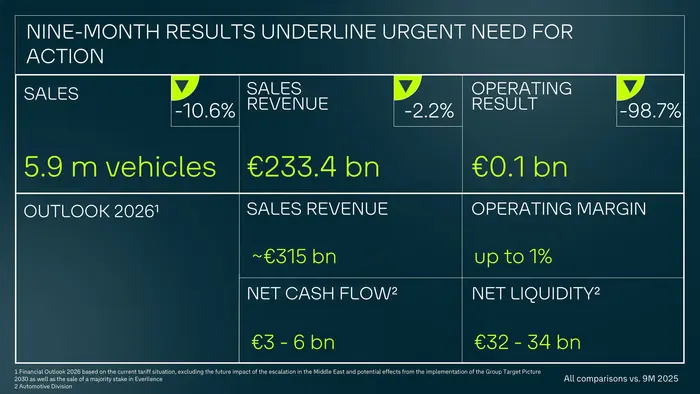
Volkswagen reports nine‑month profit of €100 million, citing rapid EV sales growth as margin pressure - a warning for dealers on stock profitability.
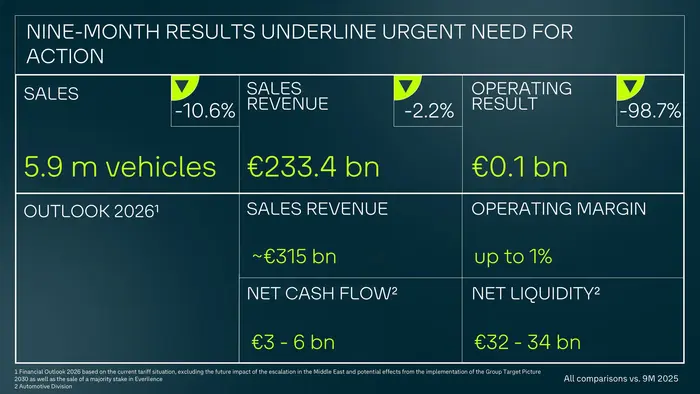
Volkswagen Group says its nine‑month profit fell to €100 million, warning that fast-growing electric vehicle sales are squeezing margins. The profit dip highlights earnings pressure as the company shifts more sales to EVs, a development dealers must watch when planning inventory and pricing strategies.
Key takeaways
- Volkswagen nine‑month profit dropped to €100 million.
- Rapid EV sales growth is cited as margin pressure.
- Earnings decline reflects transition from ICE to electric models.
- Dealers need to reassess pricing for electric stock.
Profit decline details
The nine‑month operating profit of €100 million represents a sharp fall for Volkswagen Group. The figure covers the period to the latest reporting date and shows earnings have contracted despite overall sales growth. The decline underscores the financial impact of the brand’s ongoing shift towards electrified models.
Margin compression is a key factor behind the lower profit. EV models typically command lower contribution margins than traditional internal‑combustion cars during early production cycles. As the mix tilts toward battery‑powered vehicles, the higher cost base erodes profitability until scale and supply‑chain efficiencies improve.
Electric vehicle sales surge
Volkswagen’s global EV sales have risen sharply, reflecting strong consumer interest and regulatory incentives. The company reported double‑digit growth in electric vehicle deliveries across its core markets. This rapid expansion adds pressure on the cost structure as new platforms are launched and battery packs are sourced at premium prices.
The shift also means higher upfront investment in research, tooling and charging infrastructure. While volume growth can eventually lower unit costs, the transition period compresses earnings as fixed expenses rise faster than revenue from new EV stock. Volkswagen warns that this dynamic could continue to weigh on profitability.
Implications for dealer pricing
Dealers must adapt pricing models to reflect slimmer margins on EVs. Traditional discount structures may no longer be viable when manufacturers tighten wholesale prices to protect their own profitability. Transparent cost‑to‑sell data can help retailers set realistic retail prices that cover overhead and maintain margins.
Stock management will also become more critical. With EVs holding value longer but turning over more slowly, finance terms and lease structures should be aligned to the vehicle’s lifecycle. Dealers that optimise inventory turnover and offer competitive financing are better placed to offset the profit squeeze.
What this means for dealers
The profit warning signals that EV profitability may lag behind sales growth for the near term. Dealers should review cost bases, negotiate better wholesale terms and monitor manufacturer incentives to preserve margins.
Focusing on value‑added services such as home charging installation, battery warranties and flexible finance can enhance revenue per EV. Aligning retail pricing with the true cost of electrified vehicles will help sustain profitability as the market evolves.
Frequently asked questions
Why is Volkswagen’s profit falling despite higher EV sales?
Volkswagen says the surge in electric vehicle sales is outpacing the profit contribution of those models. Early‑stage EVs carry lower margins because of higher component costs, limited economies of scale and expensive battery procurement. The mix shift therefore reduces overall earnings even though total unit sales rise.
How should dealers adjust their pricing strategy for EVs?
Dealers need to build pricing that reflects the tighter margin environment. This means limiting deep discounts, focusing on bundled services, and aligning retail prices with the actual wholesale cost. Using transparent cost data and monitoring manufacturer incentives can help set prices that protect profitability while remaining competitive.
What signs indicate future profit pressure from EV growth?
Key indicators include a rising share of EVs in overall sales, continued high battery procurement costs and limited wholesale price reductions from manufacturers. When EV mix exceeds a threshold that erodes average contribution margins, dealers can expect earnings to stay under pressure unless cost efficiencies improve.
This article summarises reporting first published by AM Online.