Motor trade says Budget fails to back garages and EVs
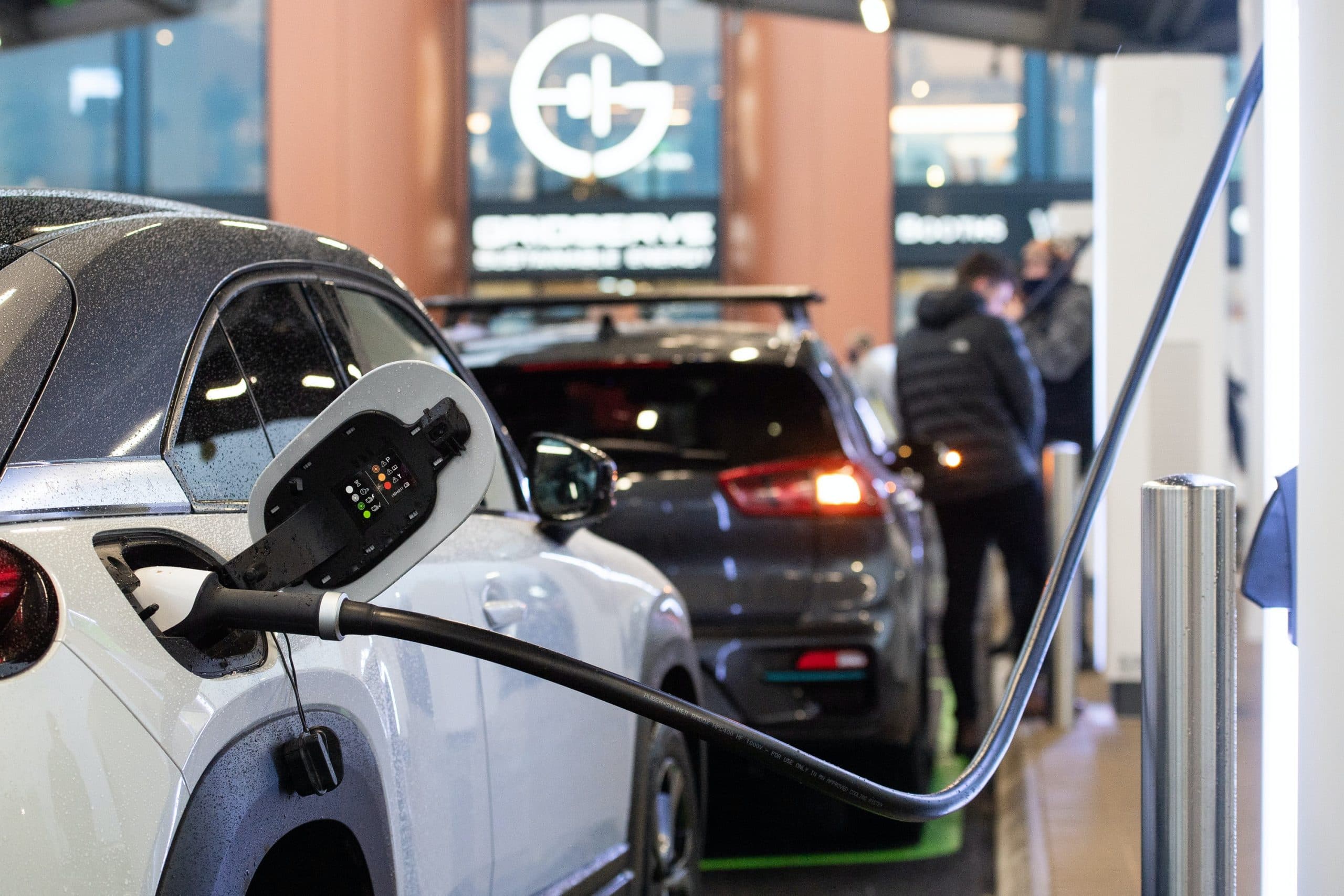
The Autumn Budget extended the fuel duty cut but omitted targeted aid for independent garages and left electric‑vehicle policy uncertainty.
In the Autumn Budget announced by Chancellor John Healey in October 2026, the fuel duty cut was extended and business rates relief widened, yet motor trade bodies say the measures fall short of helping independent garages and do not resolve uncertainty around electric‑vehicle policies, a gap that could dampen dealer sales.
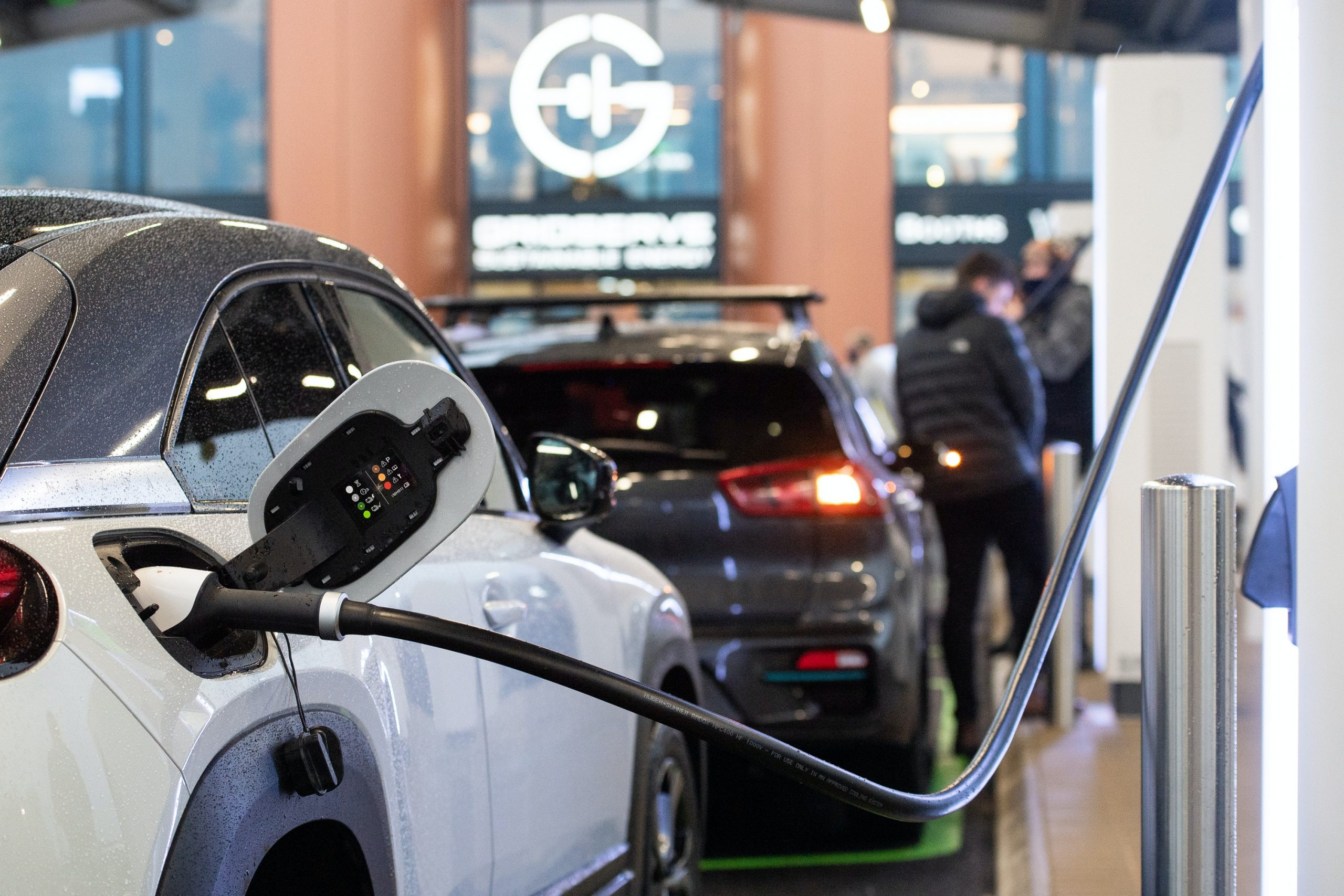
Key takeaways
- Fuel duty cut extended to July 2027.
- Small‑business rates relief threshold raised to £18,000.
- Industry warns of 17,000 motor‑trade vacancies in mid‑2026.
- EV‑skill demand rose 83% in the past year.
- Dealers fear EV policy uncertainty may curb sales.
Budget measures and garage support
The Chancellor’s Budget kept the 5p per litre fuel duty reduction in place until July 2027 and added £100 million for public‑charging cost reductions. Business rates relief was expanded, but the new £18,000 threshold applies only to retail, hospitality and leisure firms, leaving many independent garages outside the benefit.
Independent Garage Association chief Stuart James said small garages have been repeatedly overlooked and that the budget offered no relief for the MOT fee, which has been frozen since 2010.
EV workforce and policy concerns
The Institute of the Motor Industry highlighted a “perfect storm” of workforce shortages, an ageing vehicle parc and rapid technology change. It cited roughly 17,000 vacancies between June and August 2026 and an 83% rise in demand for EV‑related skills, forecasting a shortage of over 43,000 EV‑qualified technicians by 2035.
Trade bodies also warned that pending decisions on the Electric Vehicle Excise Duty scheme, the zero‑emission vehicle mandate consultation and UK‑EU trade arrangements create lasting uncertainty for dealers.
Impact on car sales and consumer confidence
Insight director Philip Nothard welcomed measures aimed at easing household costs, suggesting they could boost consumer confidence and support demand for new and used cars. Nevertheless, he noted unanswered questions around EV taxation and trade rules.
iVendi chief James Tew said the budget is unlikely to change the resilient yet pressured used‑car market, but maintaining disposable income through energy‑cost help could benefit sales.
Charging and infrastructure funding
The budget allocated £100 million to lower public‑charging costs and proposed allowing drivers to use domestic electricity tariffs at public chargers. However, VAT on public charging remains at 20% versus 5% for domestic use, a disparity criticised by industry figures.
Carwow’s research found 62% of motorists support equalising VAT rates, while 63% of those planning a new car have delayed their decision since the budget announcement.
What this means for dealers
Dealers can expect modest relief from the fuel duty freeze and modest consumer‑cost support, but the lack of targeted aid for garages means many independent operators will continue to face cash‑flow pressures. Ongoing EV‑policy uncertainty may slow the uptake of electric models, affecting both new‑car margins and used‑car inventory turnover.
Preparing for potential future EV tax changes and investing in staff training for emerging technologies will be crucial to mitigate productivity risks and retain market share.
Frequently asked questions
Will the extended fuel duty cut boost car sales?
The 5p per litre fuel duty freeze helps keep pump prices from rising further, sustaining some consumer confidence. However, without broader cost‑reduction measures for garages and clear EV policy, its impact on sales is likely modest.
How significant is the shortage of EV‑qualified technicians?
Industry data shows demand for EV skills rose 83% in the past year and an estimated 43,000 technician shortage is projected by 2035. This gap could hinder service capacity for electric vehicles and affect dealer after‑sales profitability.
What should dealers do about the VAT disparity on public charging?
Dealers can advise customers on the benefit of home charging, where VAT is lower, and lobby for policy change. In the short term, promoting the £100 million funding for reduced public‑charging costs may help mitigate the price barrier for customers without home chargers.
This article summarises reporting first published by Car Dealer Magazine.