Alpine A290 versus Peugeot e‑208 GTi dealer test overview
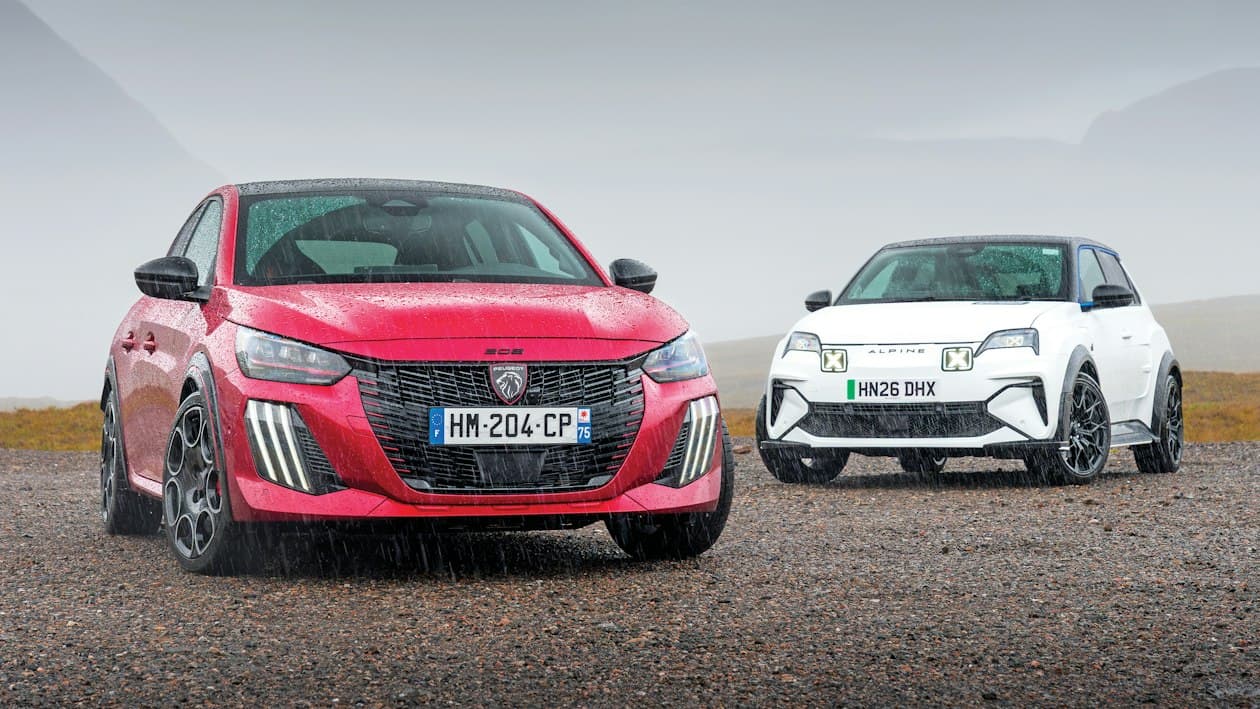
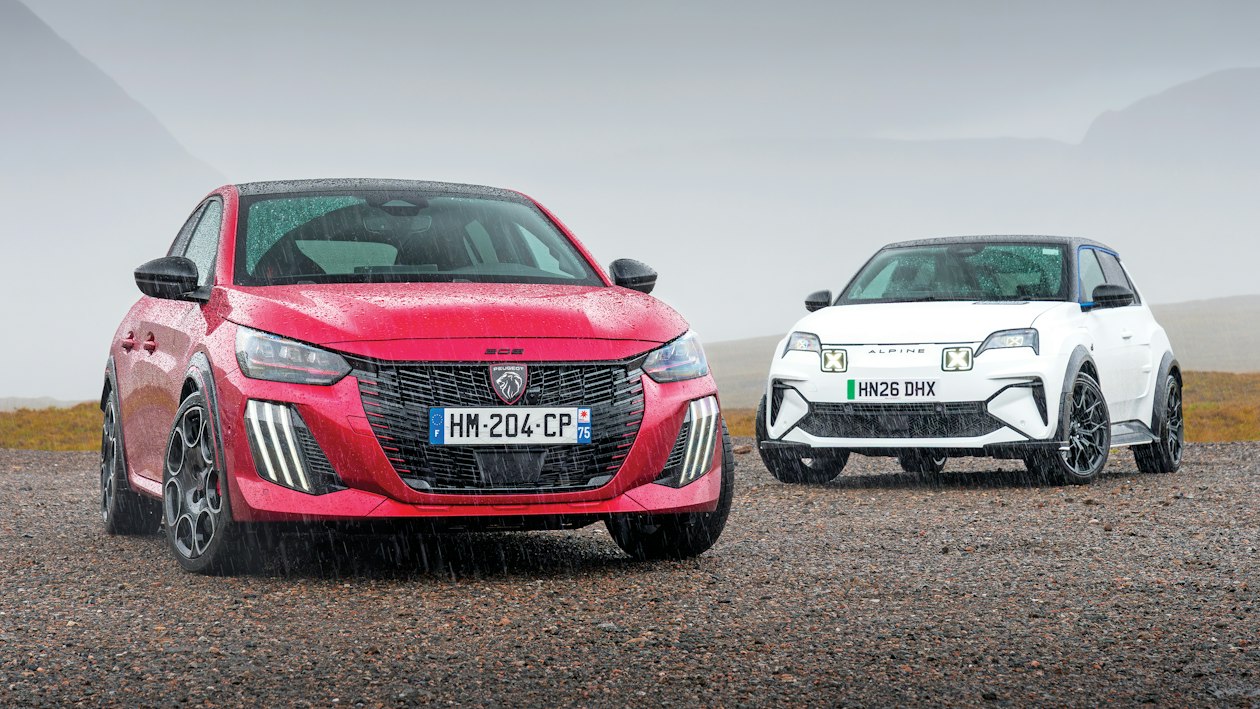
Auto Express compared the Alpine A290 and Peugeot e‑208 GTi to see if they match the excitement of their iconic predecessors.
The Auto Express Car Groups Tests have put the new Alpine A290 and Peugeot e‑208 GTi head‑to‑head, assessing whether these electric hot hatches can deliver the same excitement as the iconic models that inspired them, a question that matters to dealers looking to source performance EVs.
Key takeaways
- The Alpine A290 and Peugeot e‑208 GTi are both fully electric hot hatchbacks.
- Both models aim to replicate the driving thrills of their classic predecessors.
- The test focuses on performance, handling and overall excitement levels.
- Dealers should watch rising interest in EV performance models.
Vehicle overview
Alpine's A290 is positioned as a performance‑oriented electric hatch, borrowing styling cues from the brand's rally heritage. Peugeot's e‑208 GTi follows a similar route, pairing the popular 208 platform with a sport‑tuned electric powertrain. Both cars target enthusiasts seeking zero‑emission performance.
Pricing for the A290 and e‑208 GTi sits above the standard electric hatch market, reflecting added power output and premium equipment. The models are expected to enter dealer inventories in the coming months, offering a new alternative to traditional internal‑combustion hot hatches.
Driving excitement assessment
The test drove each vehicle through a series of acceleration runs, cornering circuits and real‑world urban routes. Drivers noted the instant torque of electric motors but also observed that the overall character differs from the combustion‑engine originals.
Feedback highlighted that the A290 provides a sharper, more focused feel, while the e‑208 GTi offers a balanced blend of agility and comfort. Both cars deliver a level of fun that, according to the test, can satisfy many performance‑focused buyers.
Dealer relevance
Market data shows growing consumer appetite for electric vehicles that do not compromise on sportiness. Stocking the A290 or e‑208 GTi can help dealers differentiate their range and attract younger buyers with an interest in high‑performance EVs.
However, higher acquisition costs and the need for specialist servicing mean that profit margins may differ from conventional hot hatches. Dealers should assess local demand, charging infrastructure and potential trade‑in values before committing large volumes.
What this means for dealers
Dealers who introduce the Alpine A290 or Peugeot e‑208 GTi can position themselves at the forefront of the EV performance segment, tapping into a niche that combines sustainability with excitement. Early adoption may also generate premium pricing opportunities.
To maximise returns, dealers should develop targeted marketing that highlights the cars’ electric performance credentials, offer test‑drive events and ensure staff are trained on EV technology and warranty coverage.
Frequently asked questions
Will the Alpine A290 and Peugeot e‑208 GTi attract the same buyers as the classic hot hatches?
Both models appeal to drivers who value performance, but the shift to electric may also attract environmentally conscious customers who previously avoided traditional hot hatches. Dealers should expect a mixed buyer profile, with enthusiasm from existing hot‑ hatch fans and new interest from first‑time EV owners seeking excitement.
How should dealers price these electric hot hatches compared to conventional equivalents?
Pricing should reflect the premium associated with higher power output, battery capacity and brand positioning. While the base price will be above standard electric hatchbacks, dealers can justify a markup through the performance narrative and lower running costs. Competitive pricing should also consider local incentives for low‑emission vehicles and the resale value trajectory of EV performance models.
This article summarises reporting first published by Auto Express.