Range Rover Electric waitlist 70% new customers
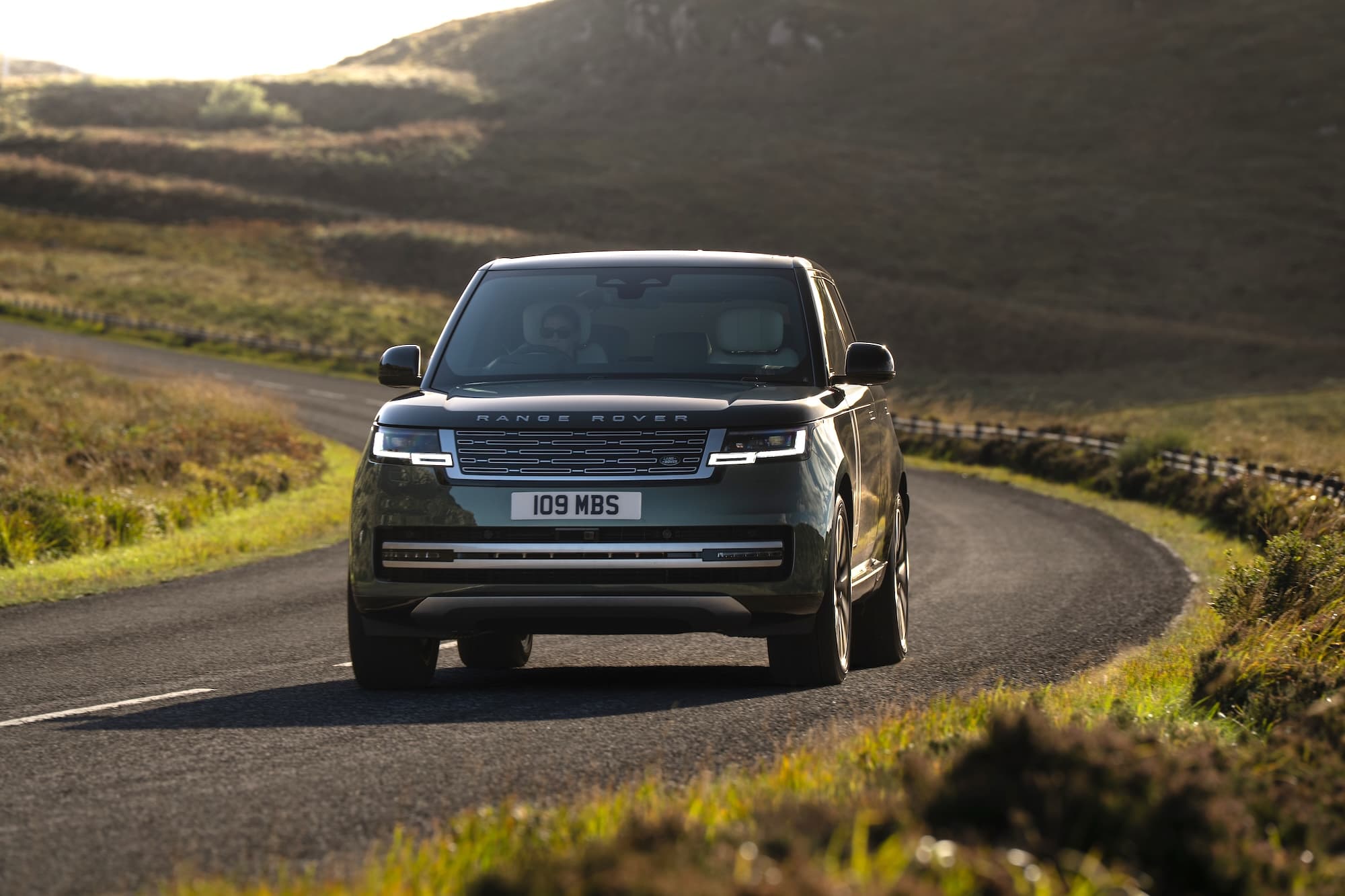
Almost 77,000 have shown interest in the Range Rover Electric and 70 % of the waiting list are first‑time buyers, giving UK dealers an edge in EV market.
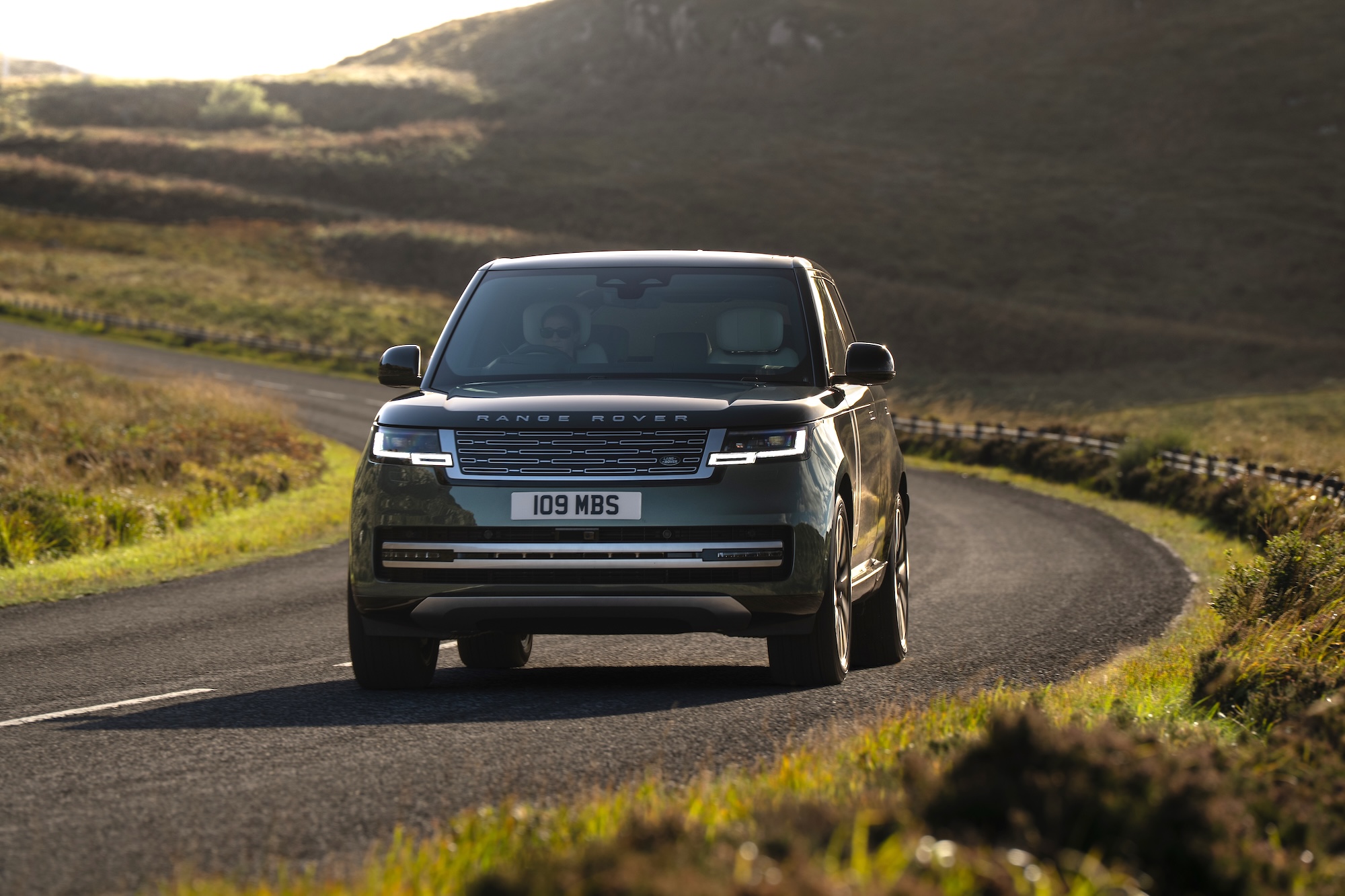
Range Rover has recorded almost 77,000 expressions of interest for its inaugural fully electric SUV, and managing director Martin Limpert says 70 per cent of the waiting list are people who have never owned a Range Rover before. This high conversion potential is significant for dealers targeting luxury EV buyers.
Key takeaways
- Nearly 77,000 customers have signed up for the Range Rover Electric.
- 70% of the waiting list are first‑time Range Rover buyers.
- Jaguar Land Rover will keep V8 petrol models alongside the EV.
- The electric model joins the Sport Electric and the new GT launches.
Waiting list composition
Range Rover has recorded almost 77,000 expressions of interest for its inaugural fully electric SUV. The figure reflects a strong appetite for a luxury electric offering and gives the brand a sizable pool of potential buyers to nurture as the vehicle moves towards production.
Limpert revealed that seven in ten people on the waiting list have never owned a Range Rover before. This 70 per cent conversion rate represents a major conquest opportunity, signalling that the electric model is attracting a new audience beyond the brand’s traditional clientele.
Development aligned with existing owners
During development Jaguar Land Rover consulted existing owners to ensure the electric Range Rover retained the hallmark look, feel and driving dynamics of its combustion‑engine siblings. The aim was to deliver an EV that feels unmistakably like a Range Rover while exploiting electric performance.
Limpert summed up the brief as ‘make it look, feel and drive like a Range Rover, then elevate everything that comes through the electric power‑train’. The statement underlines the brand’s commitment to quality and refinement even as it shifts to zero‑emission technology.
Powertrain flexibility
Despite the EV enthusiasm, the company has no immediate plans to withdraw its V8 petrol models. The flexible vehicle architecture at Solihull permits both electric and conventional power‑trains to be built on the same line, allowing the brand to cater to divergent market preferences.
Limpert highlighted strong demand for V8s in regions such as North America, the Middle East and Australia, where customers value the engine’s character and sound. Maintaining that option ensures Range Rover can meet the expectations of both traditional and new electric buyers.
Future model launches
The electric Range Rover is one of three major launches slated for the brand, alongside the upcoming Range Rover Sport Electric and the new Range Rover GT. Each model is positioned to broaden the marque’s appeal across different price points and buyer segments.
Limpert predicts that the GT will attract almost 80 per cent new customers, echoing the conquest pattern seen with the electric SUV. This suggests the brand expects its forthcoming models to be key drivers of market expansion and dealer growth.
What this means for dealers
Dealers can view the high proportion of new customers as a strong incentive to promote the electric Range Rover to non‑brand buyers. Targeted marketing and finance packages that highlight the EV’s refinement may convert a sizable share of the waiting list into sales.
Because V8 models will continue alongside the EV, dealers should retain a mixed inventory to satisfy both traditional enthusiasts and electric adopters. Flexibility in stocking and knowledgeable sales staff will be crucial as the brand balances demand across power‑train options.
Frequently asked questions
Why are so many new customers signing up for the Range Rover Electric?
The electric model combines Range Rover’s reputation for luxury and off‑road capability with zero‑emission performance, appealing to buyers who want prestige without a conventional engine. Limpert’s development brief to retain the brand’s look, feel and driving dynamics, while offering an elevated electric experience, makes the SUV attractive to a wider, environmentally‑conscious audience.
How should dealers manage inventory with both electric and V8 Range Rover models?
Dealers should maintain a balanced stock that reflects local demand patterns, keeping V8s for markets where they remain popular while increasing electric allocations where interest is high. Training staff on the distinct selling points of each power‑train will help match customers to the right model and optimise turnover.
What impact could the upcoming Range Rover GT have on dealer sales?
The GT is projected to draw nearly 80 per cent new customers, suggesting it could open a fresh revenue stream for dealers. By promoting the model’s distinct design and performance alongside the electric range, dealers can attract buyers who are brand‑new, potentially expanding the overall market share for Range Rover.
This article summarises reporting first published by Car Dealer Magazine.