Volvo cuts 2,500 jobs after £290m quarterly loss
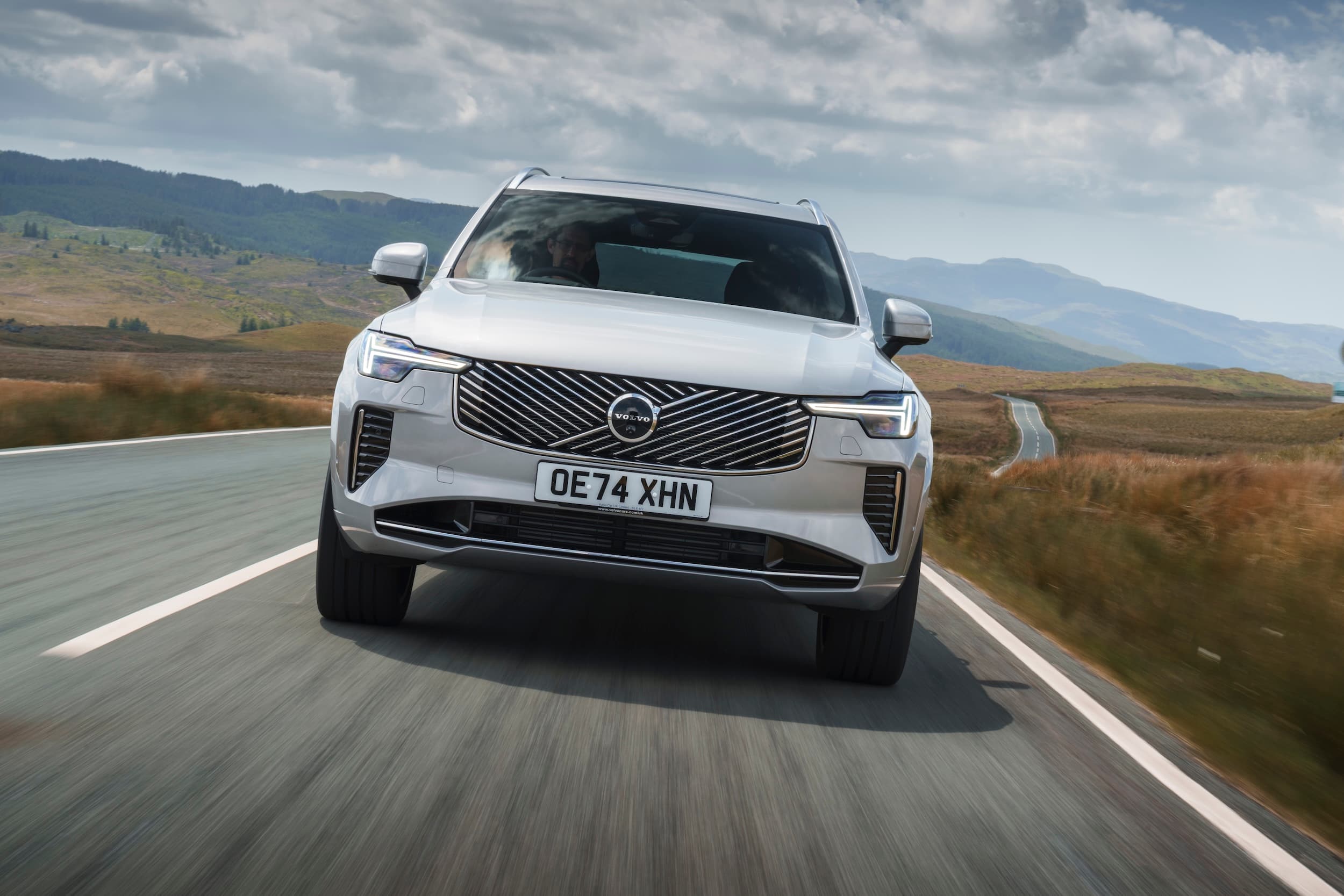
Volvo Cars will eliminate about 2,500 roles worldwide following a £290m operating loss, as fierce Chinese competition pressures premium car margins.
Volvo Cars will cut roughly 2,500 jobs globally after reporting a quarterly operating loss of SEK 3.7bn (£290m). The loss was driven by sharply lower revenues in China and additional pressures in the US. The cuts aim to protect cash flow and keep the brand’s turnaround plan on track, a development dealers should monitor.
Key takeaways
- Volvo plans to remove about 2,500 positions worldwide.
- Quarterly operating loss was SEK 3.7bn, a 5.6% negative margin.
- Revenue in China fell by almost half year‑on‑year.
- US tariffs and loss of EV incentives hurt margins.
- Volvo will still launch 13 new models by 2030.
Job cuts announced
Volvo said the job reductions will be achieved by ending consultancy contracts, natural staff turnover and targeted exit packages. Around 2,000 of the positions are in Sweden, with the remainder spread across its global operations.
President and CEO Hakan Samuelsson said the step was needed to protect the company’s finances and lower its break‑even point. He described the market as “very tough” with strong external challenges such as de‑globalisation and hyper‑competition.
Quarterly financial performance
The adjusted operating loss, which excludes joint ventures and exceptional items, reached SEK 3.7bn, representing a 5.6% negative margin. The loss was amplified by a SEK 1.1bn negative revaluation of US emissions credits after legislative changes.
Volvo also recorded a SEK 900m charge linked to its share of losses reported by Polestar in the second quarter. The combined impact pushed the company to announce a further SEK 5bn (£390m) cost‑saving target.
Competitive pressures in China and the US
In China, Volvo’s revenues fell by almost 50% compared with the same period last year, a decline blamed on intense price competition from domestic manufacturers. The premium brand struggled to maintain market share as Chinese firms increased their EV offerings.
In the United States, recent tariffs and the removal of government incentives for electrified vehicles reduced margins. These external factors added to the already challenging trading conditions described by Volvo for the third quarter of 2026.
Product pipeline and electric SUV focus
Despite the losses, Volvo confirmed it will launch 13 new models by the end of 2030. Three of these are due next year, including one aimed at Europe and two developed specifically for the Chinese market.
The company remains confident in the EX60 electric SUV, which has attracted more than 50,000 orders across Europe. Production ramp‑up has been slower than expected because of new cell‑to‑body battery technology, but Volvo expects the model to support its long‑term EV strategy.
What this means for dealers
Dealers may see reduced new‑car allocations from Volvo as the manufacturer prioritises cash preservation and cost efficiency. Lower volumes in China could affect the supply of China‑specific models, while the US market may experience tighter pricing structures.
However, the continued rollout of new models and the strong order book for the EX60 suggest opportunities remain for dealers who can align inventory with Volvo’s long‑term electric strategy.
Frequently asked questions
How many jobs is Volvo cutting and where?
Volvo expects to cut about 2,500 jobs worldwide, with roughly 2,000 positions in Sweden. The reductions will be delivered through ending consultancy contracts, natural staff turnover and targeted exit packages.
What caused Volvo’s £290m quarterly loss?
The loss stemmed from a 5.6% negative operating margin, a near‑50% drop in Chinese revenue, a SEK 1.1bn revaluation of US emissions credits, and a SEK 900m charge from Polestar’s losses, combined with broader market pressures.
Will Volvo still launch new models despite the cuts?
Yes. Volvo plans to launch 13 new cars by the end of 2030, with three scheduled for release next year, including one for Europe and two designed for the Chinese market. The EX60 electric SUV also continues to receive strong order numbers.
This article summarises reporting first published by Car Dealer Magazine.