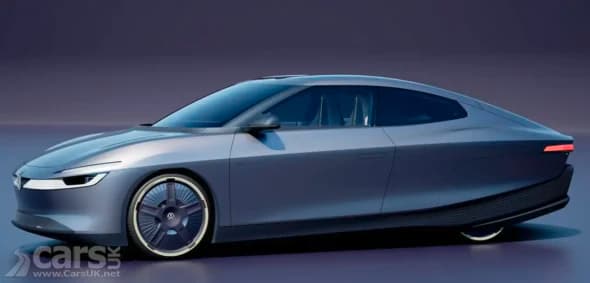
Volkswagen Mission Efficiency unveiled as electric XL1 successor
Volkswagen has revealed the Mission Efficiency concept, an ultra‑efficient electric model linked to the 2013 XL1, signalling new niche opportunities for UK…
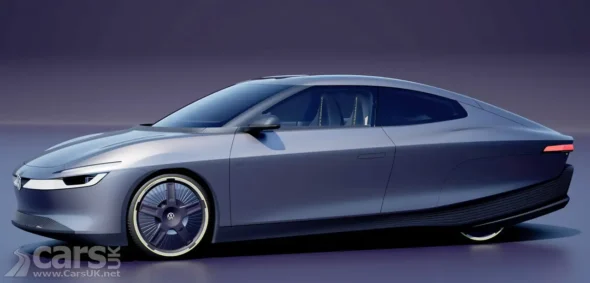
Volkswagen has unveiled the Mission Efficiency concept, an ultra‑aerodynamic electric model built on the ID.Polo platform and positioned as the electric successor to the 2013 XL1. The reveal in September 2026 signals VW’s focus on extreme efficiency, a factor that could influence dealer stock and customer expectations for low‑range EVs.
Key takeaways
- Mission Efficiency is an electric take on the 2013 VW XL1.
- The concept uses extreme aerodynamics derived from the ID.Polo.
- It showcases VW’s push toward ultra‑efficient EVs.
- The reveal highlights a niche market for low‑range, high‑efficiency cars.
- Dealers may need to prepare for specialised inventory and marketing.
Concept overview
The Mission Efficiency concept rides on the ID.Polo underpinnings, retaining the compact hatchback proportions while being fully electric. Its visual language blends sporty cues with a futuristic silhouette, signalling VW’s intention to marry everyday practicality with a laboratory‑grade efficiency philosophy.
VW frames the vehicle as a direct electric descendant of the 2013 diesel‑hybrid XL1, which was created to prove the limits of fuel‑saving technology. By revisiting that narrative with a battery‑powered powertrain, the company underscores a continuity in its sustainability agenda.
Aerodynamic design
The most striking attribute is the extreme aerodynamic treatment: a tapered front end, covered wheels and a rear diffuser that together aim to achieve a drag coefficient far below typical EVs. The design philosophy targets maximal range per kilowatt‑hour, echoing the XL1’s low‑drag ambition.
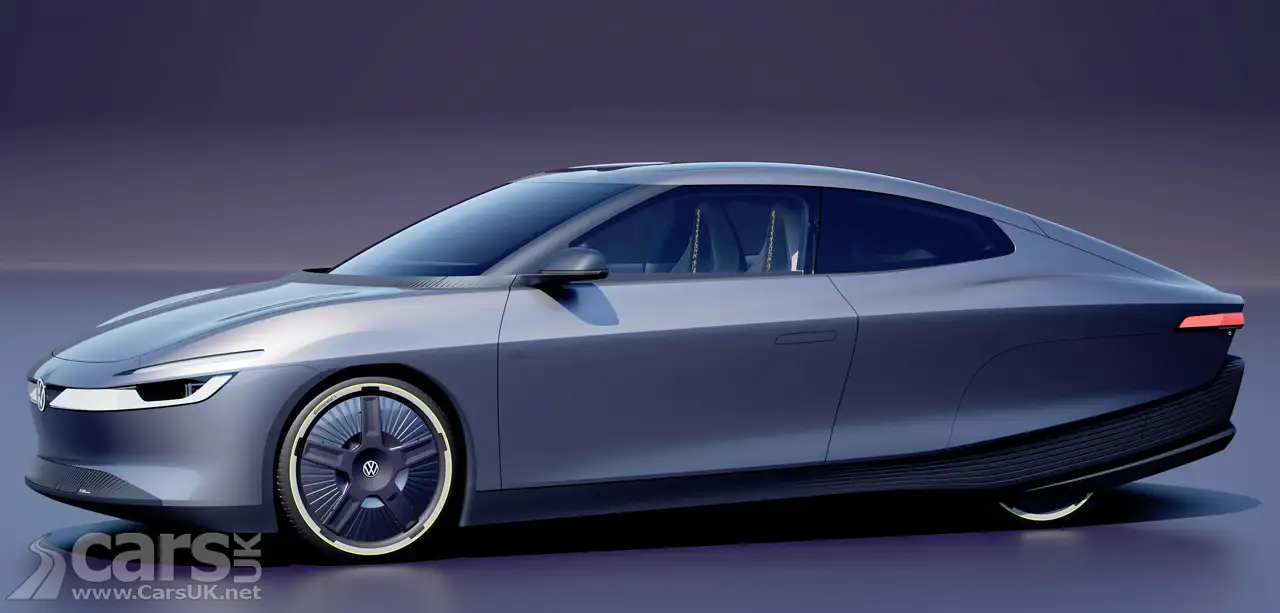
These aero features are integrated without compromising cabin space, allowing the concept to remain a viable everyday vehicle. VW suggests that the shape could become a template for future low‑energy models across its electric portfolio.
Heritage and technology link
Back in 2013, before the Dieselgate revelations, VW introduced the XL1 as a diesel‑hybrid that could travel over 300 miles on just a litre of fuel. That project demonstrated the brand’s willingness to explore radical efficiency solutions even when diesel dominated the market.
The Mission Efficiency translates that experimental spirit into the electric era, swapping the diesel‑hybrid system for a battery pack while preserving the original’s emphasis on ultra‑low energy consumption. It positions the concept as a bridge between past engineering feats and future clean‑mobility goals.

Market positioning
The concept appears aimed at a niche segment of eco‑conscious buyers, urban fleets and corporate customers seeking the lowest possible operating costs. Its limited range and specialised design suggest it will complement, rather than replace, mainstream EV offerings.
For UK dealers, the Mission Efficiency could represent an early indicator of a new product line focused on ultra‑efficiency. Preparing sales staff and marketing material for a vehicle that emphasises drag reduction and energy savings may become increasingly relevant.
What this means for dealers
Dealers should monitor the development of the Mission Efficiency as it moves from concept to potential production. The model’s emphasis on low running costs could attract cost‑sensitive customers and fleet managers, prompting a need for tailored financing and warranty packages.
Additionally, the extreme aerodynamic design may require specific service knowledge, particularly concerning wheel‑cover maintenance and aerodynamic component repairs. Early training and parts stocking could give dealers a competitive edge when the vehicle reaches the showroom floor.
Frequently asked questions
How does the Mission Efficiency differ from other Volkswagen electric models?
The Mission Efficiency focuses primarily on achieving an exceptionally low drag coefficient, using extreme aerodynamic elements that are not present on the standard ID.Polo or ID.3. It is positioned as a specialist, ultra‑efficient EV rather than a mass‑market vehicle, targeting customers prioritising operating cost over performance.
Will the Mission Efficiency affect inventory decisions for UK dealers?
Potentially, yes. If Volkswagen proceeds to production, dealers may need to allocate space for a low‑range, high‑efficiency model alongside their existing EV stock. This could involve training staff on the vehicle’s unique features, adjusting marketing messages, and possibly offering specialised financing terms to attract the efficiency‑focused buyer segment.
This article summarises reporting first published by CarsUK.