Audi RS5 Avant hybrid vs BMW M3 Touring petrol
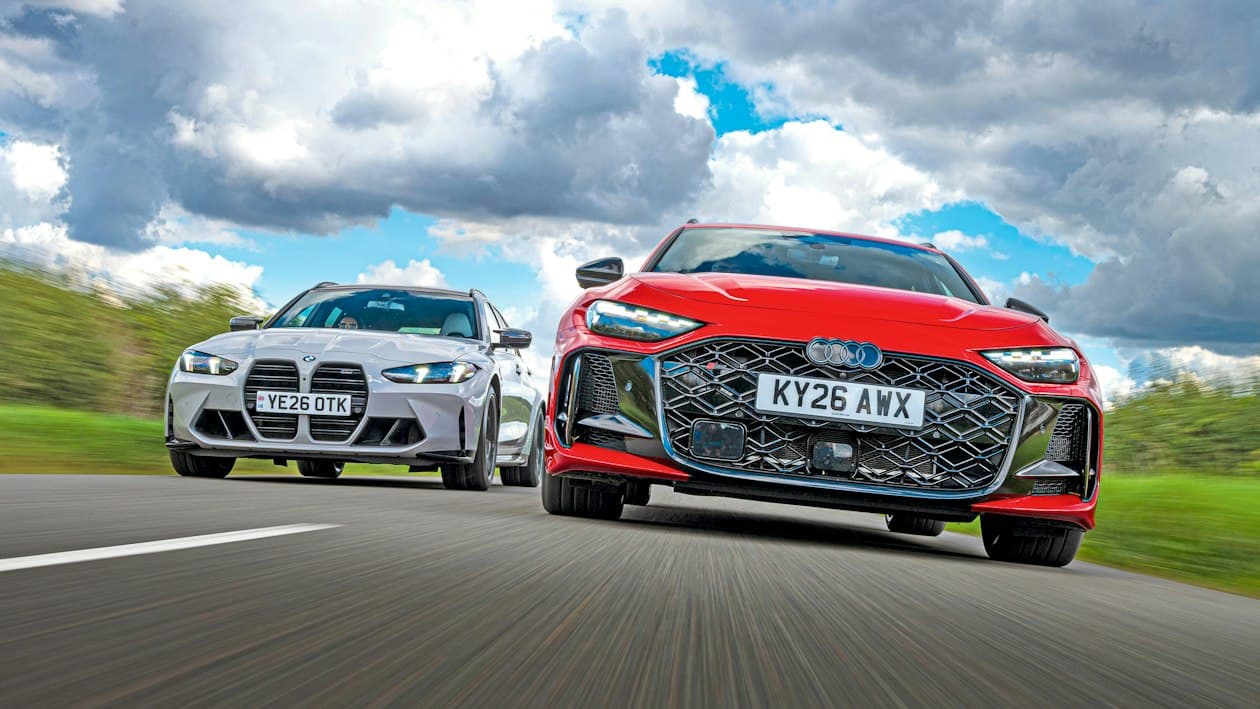
Auto Express tested the plug‑in hybrid Audi RS5 Avant against the pure‑petrol BMW M3 Touring, highlighting performance and appeal of fast estates for dealers.
Auto Express has pitted the plug‑in hybrid Audi RS5 Avant against the pure‑petrol BMW M3 Touring in a head‑to‑head test, examining which fast estate offers the strongest performance and appeal for motor dealers seeking high‑spec family cars in the current UK market as they vied for bragging rights.
Key takeaways
- Audi RS5 Avant is offered as a plug‑in hybrid fast estate.
- BMW M3 Touring is a pure‑petrol fast estate.
- Both models target premium performance estate buyers.
- The test focuses on performance, efficiency and dealer relevance.
Performance and driving dynamics
The Audi RS5 Avant combines an electric motor with a petrol engine, delivering instant torque and smooth power delivery. The BMW M3 Touring relies on a larger petrol engine that provides high revving performance and a traditional sports‑car character.
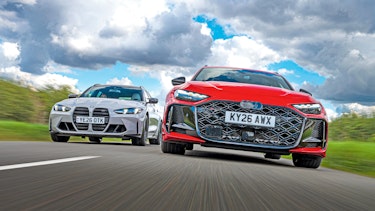
Both cars are capable of rapid acceleration typical of performance estates, yet their character differs. The hybrid system gives the Audi a quieter start, while the BMW offers a more linear power curve.
Fuel efficiency and emissions
As a plug‑in hybrid, the Audi can operate on electric power alone for short urban trips, potentially reducing fuel consumption and tailpipe emissions. The BMW, being pure‑petrol, does not have an electric‑only mode.
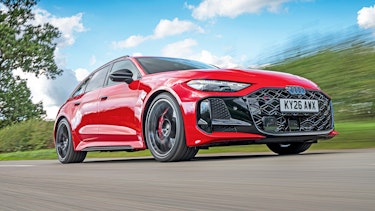
Dealers can highlight the Audi’s lower emissions badge to environmentally conscious buyers, while the BMW’s fuel usage reflects its performance‑focused engineering.
Practicality and market appeal
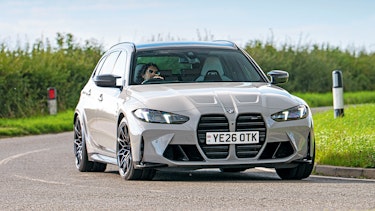
Both models retain the estate body style, offering generous boot space and rear passenger comfort. This makes them attractive to families that want performance without sacrificing practicality.
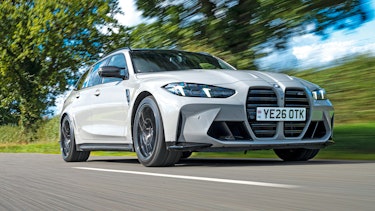
The combination of speed and utility positions these cars in a niche market that appeals to affluent buyers who need space but also desire a sporty driving experience.
Pricing and resale outlook
Each vehicle sits in the premium price band, meaning initial outlay is high for dealers. However, strong brand appeal and limited competition in the fast‑estate segment can support healthy resale values.
What this means for dealers
Dealers should view both models as complementary additions to a performance‑estate portfolio. The Audi’s hybrid technology may attract buyers seeking lower running costs and greener credentials, while the BMW will appeal to purists who prefer traditional petrol performance.
Stocking both models can broaden a dealer’s market reach, catering to divergent buyer preferences within the same high‑spec estate niche.
Frequently asked questions
Can the Audi RS5 Avant run solely on electric power?
Yes, the plug‑in hybrid version can operate using its electric motor alone for short distances, typically covering urban commutes without engaging the petrol engine.
What advantage does the BMW M3 Touring have over the Audi?
The BMW offers a pure‑petrol powertrain that delivers a more traditional, high‑revving performance feel, which many enthusiasts prefer for its linear power delivery and classic sports‑car character.
This article summarises reporting first published by Auto Express.