UK may face EV tariff rise in 2027 without EU battery deal
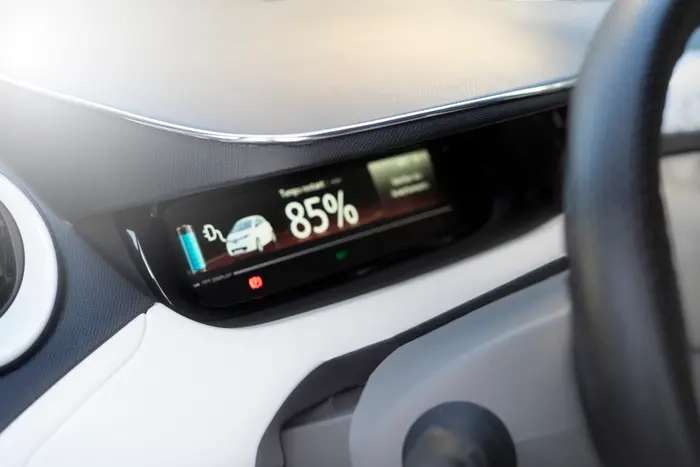
A new report warns that tougher EU battery rules could trigger tariffs on EU‑built EVs from 2027.
A report released in October 2026 cautions that stricter EU battery regulations could lead to tariffs on electric vehicles built in the EU and sold by UK dealerships from 2027. Dealers risk higher purchase costs and squeezed margins unless Britain and the EU devise a coordinated approach.
Key takeaways
- EU battery rules may trigger tariffs on EU‑built EVs from 2027.
- UK dealers could see increased vehicle acquisition costs.
- A joint UK‑EU response could mitigate the tariff impact.
- Dealers should monitor policy developments closely.
Report highlights looming tariff risk
The analysis, published by AM Online, points to a potential tariff shock if the United Kingdom does not secure a battery‑supply agreement with the European Union. The report links the anticipated tariffs to a set of EU sustainability rules that will apply to battery production from 2027.
These rules are designed to ensure responsible sourcing and recycling of battery components across the EU. The authors argue that, without a bilateral deal, the rules could be interpreted as a trade barrier for EVs that contain EU‑manufactured batteries.
EU battery rule changes
The European Commission is finalising a framework that will require higher levels of recycled content and stricter carbon‑footprint limits for batteries sold in the bloc. Compliance will be monitored through a certification system that could affect importers.
Industry data shows that many EVs sold in the UK source batteries from EU factories. If the certification is treated as a non‑tariff barrier, import duties could be applied to those vehicles, raising their wholesale price.
Potential cost impact for UK dealers
Higher wholesale costs would likely be passed on to consumers, placing pressure on dealer pricing strategies. Margins on popular EU‑built models could shrink, especially where competition from UK‑assembled EVs intensifies.
Dealers may need to reassess stock mixes, favouring vehicles with UK‑sourced batteries or those exempt from the new rules. The report warns that delayed action could leave inventories priced out of the market.
What this means for dealers
Dealers should begin tracking the progress of the EU battery framework and any UK‑EU negotiations. Early engagement with manufacturers can reveal whether battery sourcing will change and whether pricing adjustments are anticipated.
Preparing contingency plans, such as diversifying supply chains or adjusting floor‑plan financing, will help mitigate the risk of sudden cost increases once the 2027 tariff schedule takes effect.
Frequently asked questions
What tariffs could affect EVs imported from the EU?
The report suggests that, from 2027, EU battery sustainability rules may be used to impose import duties on EVs containing EU‑built batteries. Exact rates are not yet set, but the potential increase could raise wholesale prices for UK dealers.
How can dealers prepare for possible cost increases?
Dealers should monitor EU regulatory developments, speak with manufacturers about battery sourcing, and consider adjusting stock to include more UK‑assembled EVs. Reviewing financing arrangements and pricing models now can cushion the impact of any future tariffs.
This article summarises reporting first published by AM Online.