EU backs weaker 2035 CO2 targets, extending model lifecycles
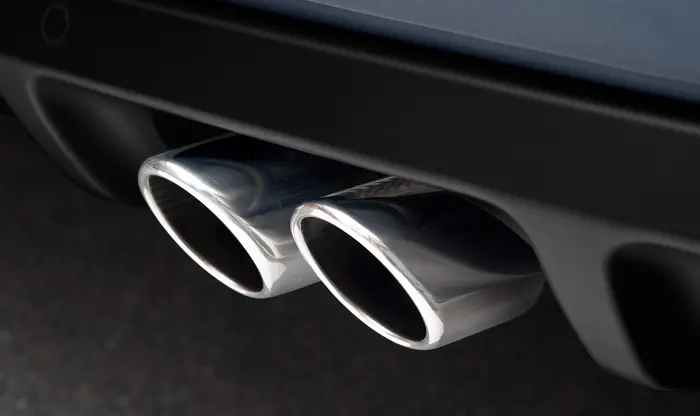
EU lawmakers have approved softer 2035 CO2 emission limits, meaning new combustion and hybrid cars could stay on sale longer.
European lawmakers have voted to weaken the 2035 car CO2 emissions target, a change that could keep new combustion and hybrid models on sale beyond the planned phase‑out date. The decision, taken by the EU Parliament and council, reduces the annual fleet‑average reduction required, giving manufacturers more time to meet standards.
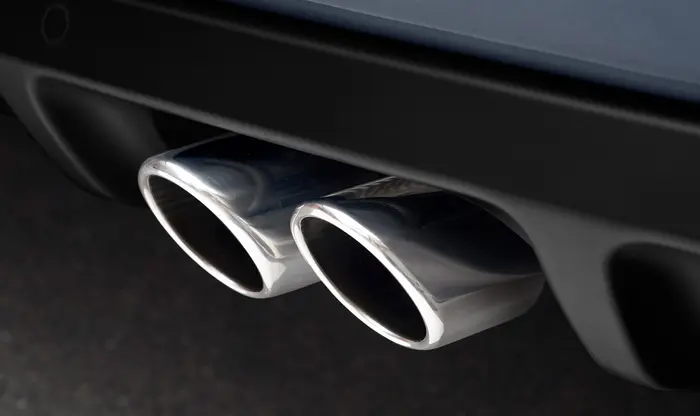
Key takeaways
- EU Parliament approved weaker 2035 CO2 targets.
- Reduced fleet‑average cuts lower pressure on manufacturers.
- Combustion and hybrid models may remain on market past 2035.
Revised CO2 target details
The new framework lowers the required average CO2 level for new cars in 2035. Industry data shows the target is less stringent than previous proposals, easing the emissions reduction trajectory set for the coming decade.
By easing the target, the EU aims to balance environmental ambition with market realities, acknowledging the ongoing development of low‑emission technologies.
Impact on model lifecycles
With a softer target, manufacturers can continue to introduce and sell internal‑combustion and hybrid vehicles beyond the original deadline. Market data suggests this could extend the commercial life of such models by several years.
The extension may affect the timing of new electric model roll‑outs, as firms adjust product plans to align with the revised regulatory landscape.
Industry reaction
Automakers have welcomed the reduced emissions pressure, citing lower development costs and more flexibility in product line‑up decisions. The change is seen as a pragmatic response to supply‑chain constraints and technology readiness.
Trade bodies note that while the adjustment eases immediate compliance challenges, long‑term decarbonisation goals remain central to EU policy.
What this means for dealers
Dealers can expect a longer window to sell new combustion and hybrid stock, easing inventory turnover concerns. However, valuation models will need to reflect the delayed shift to fully electric vehicles, potentially affecting residual values of electric cars.
Planning for a mixed fleet will remain essential, with emphasis on balancing traditional models against growing consumer demand for zero‑emission vehicles.
Frequently asked questions
What are the new 2035 CO2 emissions targets for new cars?
The revised EU framework sets a higher average CO2 limit for new cars sold in 2035 than previously planned. This weaker target reduces the required fleet‑average emissions cut, giving manufacturers additional leeway to meet the standard.
How might the revised targets affect the availability of new combustion vehicles?
By easing the emissions requirement, the EU decision allows manufacturers to continue launching internal‑combustion and hybrid models after 2035. This could keep such vehicles on showroom floors for several more years, delaying a full transition to electric‑only line‑ups.
Will the change impact the valuation of used electric vehicles?
Yes. Extending the life of combustion and hybrid models may slow the rate at which electric vehicles dominate the market, influencing residual value calculations for used EVs. Dealers will need to adjust pricing strategies to reflect a potentially slower depreciation curve.
This article summarises reporting first published by AM Online.