PHEV SUVs face up to £4,480 weight levy
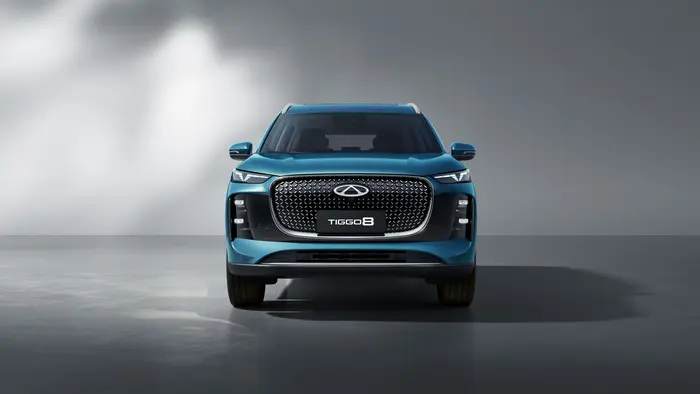
Plug‑in hybrid SUVs could be taxed up to £4,480 under Transport & Environment’s proposed weight levy.
Transport & Environment has put forward a vehicle weight levy that could impose charges of up to £4,480 on popular plug‑in hybrid SUVs, a policy shift that may affect dealer pricing structures and influence customer buying decisions across the UK market.
Key takeaways
- Transport & Environment has proposed a vehicle weight levy.
- Charges could reach £4,480 for popular plug‑in hybrid SUVs.
- The levy is based on vehicle weight rather than emissions alone.
- Dealers may need to adjust pricing strategies.
- Potential impact on customer buying decisions.
Proposed weight levy details
Transport & Environment’s plan introduces a levy that calculates a charge according to a vehicle’s kerb weight. The proposal targets heavier models, with the highest charge set at £4,480.
The scheme is aimed at encouraging lower‑weight vehicles and reducing road wear, according to the campaign group.
Plug‑in hybrid SUVs most likely to be affected
Popular plug‑in hybrid sport‑utility vehicles fall into the higher weight brackets, meaning they could incur the maximum charge. Models such as the Toyota RAV4 PHEV and Mitsubishi Outlander PHEV are examples often cited.
These vehicles combine electric propulsion with traditional engines, but their weight places them at the top of the levy scale.
Dealer pricing considerations
Higher tax charges could increase the overall cost of ownership for customers, prompting dealers to rethink retail pricing and promotional offers. Margins may be squeezed if the levy is passed on to buyers.
Dealers might also need to highlight lower‑weight alternatives to retain price‑sensitive buyers.
What this means for dealers
The proposed levy could reduce demand for heavier plug‑in hybrid SUVs, pressuring dealers to shift inventory towards lighter models or fully electric vehicles. Anticipating the potential cost impact will be crucial for maintaining competitive pricing.
Dealers should monitor the policy’s progress and be prepared to communicate any pricing changes clearly to customers.
Frequently asked questions
What is the maximum charge under the proposed weight levy?
The levy could impose a charge of up to £4,480 on the heaviest plug‑in hybrid SUVs, according to the proposal from Transport & Environment.
Which vehicles are most likely to face the highest charges?
Heavier plug‑in hybrid sport‑utility vehicles, such as popular models from Toyota and Mitsubishi, fall into the highest weight brackets and could therefore attract the maximum levy.
How might dealers respond to the weight‑tax plan?
Dealers may need to adjust pricing, promote lower‑weight or fully electric alternatives, and clearly explain any cost implications to customers to mitigate the impact of the proposed levy.
This article summarises reporting first published by AM Online.