Fuel duty freeze tops drivers' Autumn Budget wishlist
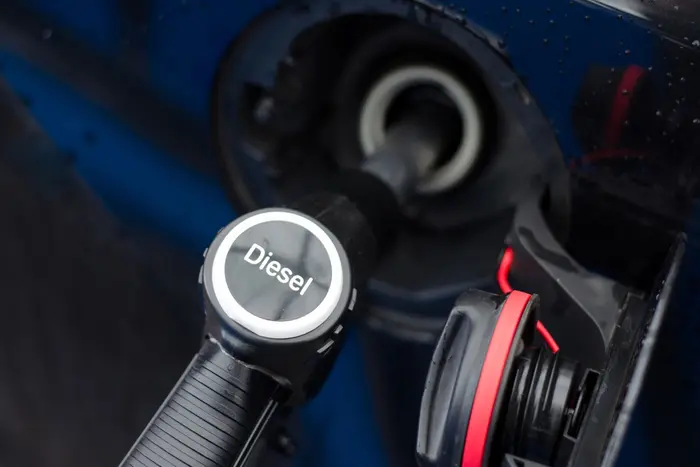
Half of UK motorists want a fuel duty freeze or cut in the Autumn Budget as running costs squeeze household finances, a shift that could affect dealer sales.
More than half of UK motorists are calling for the Autumn Budget to freeze or reduce fuel duty as rising running costs strain household finances. Dealers should monitor the outcome, as any duty change could influence vehicle demand, profit margins and after‑sales services.
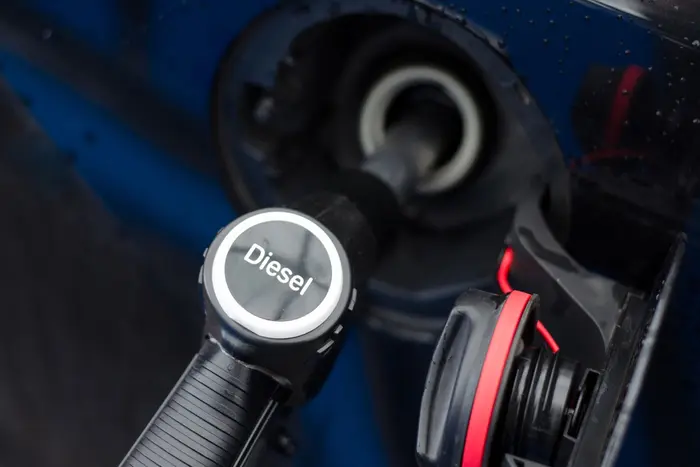
Key takeaways
- Over half of UK motorists want fuel duty frozen or cut in the Autumn Budget.
- Rising fuel prices are squeezing household budgets across the UK.
- A duty freeze could stabilise demand for new and used vehicles.
- Dealers may see impact on sales and service income if duty changes.
- Government policy will be key in shaping running‑cost pressure.
Driver sentiment on fuel costs
Recent polling shows more than fifty percent of drivers consider fuel duty a top priority for the upcoming budget. The pressure comes as petrol and diesel prices remain high, leaving little disposable income for other motoring expenses.
Motorists cite higher mileage commuting and longer journeys as reasons why a duty freeze would provide immediate relief. The sentiment reflects broader concerns about living costs across the country.
Potential policy response in the Autumn Budget
The Treasury is expected to review fuel duty levels as part of its Autumn Budget proposals. A freeze or modest reduction could be used to offset inflationary pressures on households.
Any decision will balance revenue needs against the desire to support the automotive sector. A freeze would maintain current cost structures, while a cut could stimulate additional vehicle purchases.
Implications for car dealers
If fuel duty is frozen, dealers may experience steadier demand for both new and used cars, as running costs remain predictable. This could help maintain sales volumes during a period of economic uncertainty.
Conversely, a duty increase would likely raise operating costs for customers, potentially delaying purchases and reducing service department traffic. Dealers should prepare for both scenarios by reviewing pricing strategies and promotional offers.
What this means for dealers
Dealers should watch the Autumn Budget closely, as a fuel duty freeze would support demand and protect profit margins. Planning inventory and finance options now can mitigate risks if duty levels rise.
Monitoring customer sentiment on running costs will help tailor marketing messages and financing bundles, ensuring relevance whether duty remains static or changes.
Frequently asked questions
Will a fuel duty freeze directly increase car sales?
A freeze would keep fuel costs stable, which can encourage buyers to proceed with purchases rather than postpone due to rising running expenses. While it does not guarantee higher sales, it removes one financial barrier that can affect decisions.
How might a fuel duty increase affect used‑car demand?
Higher duty raises overall motoring costs, which can reduce consumer confidence and lead to fewer used‑car transactions. Buyers may delay purchases or seek cheaper models, pressuring dealers to adjust pricing and stock strategies.
What should dealers do now to prepare for the budget outcome?
Dealers should review their pricing, financing, and service packages, ensuring flexibility to respond to either a duty freeze or increase. Engaging customers with transparent cost information and targeted promotions can help maintain sales momentum regardless of the final policy.
This article summarises reporting first published by AM Online.