England drops planning permission for on‑street EV chargers
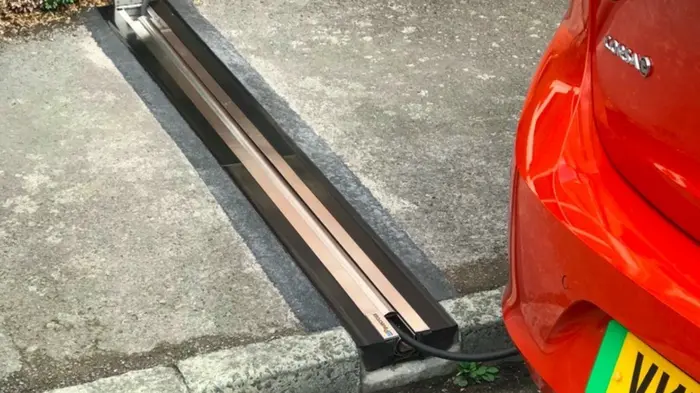
From today drivers without a driveway can install qualifying EV chargers on streets in England without planning permission, easing charging for owners.
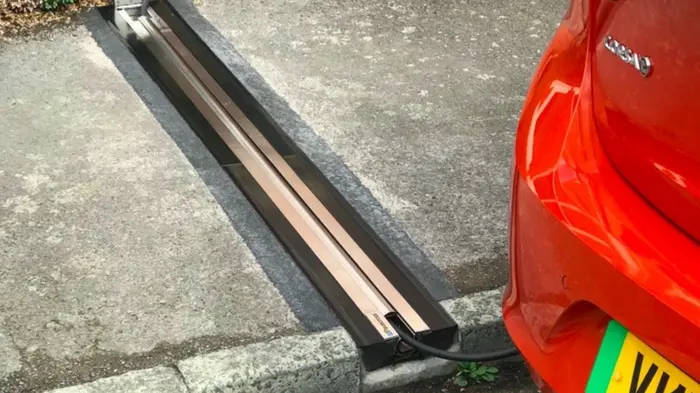
From today drivers in England who lack a private driveway may install qualifying electric‑vehicle chargers across the pavement on on‑street parking spaces without requiring planning permission, a change that simplifies home charging for many owners and could increase uptake of EVs in densely populated areas.
Key takeaways
- Planning permission is not needed for qualifying on‑street EV chargers in England.
- The rule applies to drivers without off‑street parking.
- Installations must be cross‑pavement and meet qualifying standards.
Background to the planning change
Current planning regulations have required owners to obtain permission before adding charging points on public highways. This has been a barrier for households that lack private parking facilities.
The Department for Levelling Up, Housing and Communities announced the relaxation of the rule, effective from today, to support the government’s net‑zero transport targets.
Qualifying on‑street charging systems
Only charging units that meet the ‘cross‑pavement’ criteria are covered. The equipment must be mounted on the footway, not obstruct the carriageway, and be suitable for residential use.
The devices must also comply with the approved list of chargers, which includes up‑to‑22 kW units that can be safely installed by a qualified electrician.
Installation process for dealers
Dealers can advise customers to submit a simple notification to the local planning authority, confirming the charger’s location and specifications. No formal planning application is required.
Once the notification is accepted, the dealer or an approved installer can proceed with fitting the unit, taking care to maintain clear pedestrian pathways.
What this means for dealers
The removal of the planning hurdle allows dealers to offer on‑street charging solutions to a larger pool of customers, particularly in urban areas where driveway access is limited.
Dealers should ensure their installer partners are familiar with the qualifying standards, as non‑compliant installations could still be subject to enforcement action.
Frequently asked questions
Can any EV charger be installed on the street without planning permission?
No. Only chargers that meet the cross‑pavement criteria and are on the approved list can be installed without planning permission. The unit must be mounted on the footway, not block the carriageway, and be suitable for residential use, typically up to 22 kW.
What documentation is required for the local authority?
Owners must provide a brief notification that includes the charger’s make and model, its exact location on the pavement, and confirmation that it complies with the qualifying standards. No full planning application is needed, but the notice must be kept on record with the council.
Will the charger be subject to any ongoing fees or inspections?
The installation itself does not incur ongoing fees, but the local authority may carry out periodic checks to ensure the charger remains compliant and does not obstruct pedestrians or traffic. Any non‑compliant units could be subject to enforcement action.
This article summarises reporting first published by AM Online.