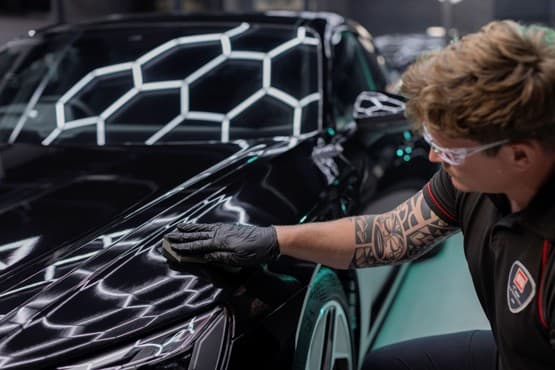
Paint protection adds £1,032 premium to used cars
Autoglym research shows most buyers favour paint‑protected used cars, with 59% prepared to pay an average £1,032 extra, offering dealers a margin boost.
Autoglym’s latest research shows 74% of used‑car buyers prefer vehicles with paint protection, and 59% would pay extra for it, potentially adding an average £1,032 premium. Dealers can leverage this preference to boost margins and accelerate inventory turnover.
Key takeaways
- 74% of buyers favour paint‑protected used cars.
- 59% are willing to pay more for protection.
- The premium could average £1,032 per vehicle.
- Dealers can increase margin and turnover.
- Protection aligns with buyer confidence in vehicle condition.
Research methodology and results
Autoglym surveyed a cross‑section of UK used‑car purchasers, asking about preferences for paint protection and willingness to pay a higher price. The study captured responses across age groups and vehicle segments, ensuring a representative sample of the market.
Results indicated that 74% of respondents would choose a car with a protective coating, while 59% said they would pay an additional amount for that assurance. The data suggests a strong, measurable appetite for added surface protection.
Financial impact of a paint‑protection premium
The research estimates an average price uplift of £1,032 when a vehicle is sold with paint protection. This figure reflects the extra amount buyers indicated they would spend, not the cost of the protection itself.
For dealers, the uplift translates directly into higher gross profit on each protected unit, provided the protection cost is managed effectively. The margin boost can be especially valuable in competitive used‑car markets where price differentials are tight.
Operational benefits for dealerships
Offering paint protection can shorten stock holding periods. Buyers perceive protected cars as better maintained, which can lead to quicker sales and reduced floor‑plan interest costs.
Additionally, a protected finish often results in fewer post‑sale complaints about surface damage, easing after‑sales service pressures and enhancing the dealership’s reputation for quality.
Implementation considerations
Dealers should evaluate partner suppliers for clear‑coat films or ceramic coatings that balance cost with durability. Training staff to explain the benefits clearly will help capture the premium.
Marketing the protection as a standard part of the used‑car offering, rather than an optional extra, can increase buyer awareness and willingness to pay the added price.
What this means for dealers
The Autoglym findings present a clear opportunity to differentiate inventory and improve profitability. By integrating paint protection into the standard sales process, dealerships can meet a proven buyer demand and capture the £1,032 average premium.
Adopting a systematic approach—selecting cost‑effective protection solutions, training sales teams, and promoting the benefit to customers—can enhance both margin and turnover, supporting stronger financial performance.
Frequently asked questions
How much extra can a dealer charge for paint protection?
According to Autoglym’s research, buyers are prepared to pay an average of £1,032 extra for a protected used car. The exact amount a dealer can charge will depend on the cost of the protection method and the vehicle’s price point, but the study suggests a substantial premium is realistic.
Which customers are most likely to pay the paint‑protection premium?
The survey indicates a broad willingness across demographics, with 59% of all respondents indicating readiness to pay more. Buyers who value long‑term vehicle appearance, low maintenance, and resale value—often families and professionals—are particularly inclined to accept the added cost.
What steps should a dealership take to introduce paint protection?
Dealers should first select a reliable protection product, negotiate bulk pricing, and train sales staff on its benefits. Then, integrate the service into the vehicle preparation process and market it as a standard feature, highlighting the buyer‑approved premium and the reduced risk of surface damage.