Modern cars match 1990s hot‑hatch power with smaller engines
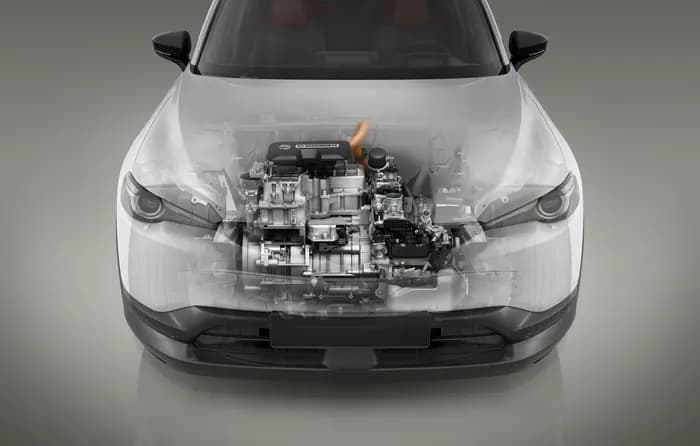
VDG data shows UK car power output is almost 29% higher than in 2005 while engine capacity fell about 8%, a trend that affects dealer pricing decisions.
VDG reports that the average power output of new UK cars has risen by almost 29% since 2005, even though the average engine capacity has dropped by about 8%. The shift shows manufacturers delivering higher performance from smaller engines, a factor dealers must consider when assessing vehicle appeal and pricing.
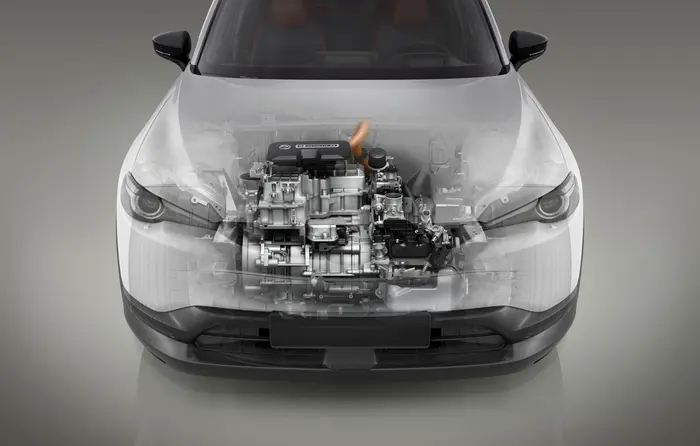
Key takeaways
- Average UK car power output is up nearly 29% since 2005.
- Engine capacity has fallen about 8% in the same period.
- Smaller engines now deliver similar performance to 1990s hot hatches.
- The trend alters how dealers evaluate vehicle value and demand.
- Advanced technology enables higher output from reduced displacement.
Power output growth since 2005
The VDG analysis highlights a steady climb in powertrain figures across the market. New‑model launches consistently list higher horsepower or kilowatt ratings, pushing the average upward.
This increase is not limited to performance‑oriented models; mainstream families also benefit from the uplift, improving acceleration and load‑carrying capability without sacrificing fuel efficiency.
Engine capacity decline
Parallel to the power rise, VDG notes a near 8% reduction in average engine displacement. Manufacturers have trimmed cylinder volume to meet emissions standards and tax incentives.
The displacements shrank across petrol, diesel and emerging hybrid powertrains, signalling a broad industry shift rather than a niche optimisation.
Technologies enabling more power from less
Turbocharging, direct injection and sophisticated engine management allow smaller units to breathe more air and burn fuel more efficiently, raising output per litre.
Hybrid assistance and mild‑electric boost further augment torque, meaning drivers experience performance comparable to larger engines of the past.
Impact on vehicle valuation and dealer pricing
Higher performance from compact engines can increase a vehicle’s perceived value, especially in segments where power is a key selling point. Dealers may price such models closer to larger‑engine rivals.
Conversely, the reduced displacement can lower running costs and improve resale appeal, giving dealers flexibility to market cars as both economical and spirited.
What this means for dealers
Dealers should adjust their appraisal models to reflect that power figures no longer correlate directly with engine size. Stocking a mix of downsized, high‑output models can meet buyer expectations for performance and efficiency.
Marketing messages that highlight the modern power advantage, while noting lower emissions and running costs, can differentiate inventory and support stronger margins.
Frequently asked questions
How does the 29% power increase affect used‑car valuations?
The higher output makes recent models more attractive to buyers who value performance, potentially raising trade‑in values. However, valuation tools must also weigh mileage, condition and market demand, so the net effect varies by segment and age of the vehicle.
Why are manufacturers reducing engine size despite higher performance?
Smaller engines reduce weight and improve fuel consumption, helping meet stricter CO₂ regulations. Advanced turbocharging, direct injection and hybrid systems recover lost power, allowing manufacturers to deliver performance while keeping emissions and tax liabilities low.
What should dealers communicate to customers about downsized engines?
Dealers should stress that modern downsized engines provide the same or better acceleration than older larger units, while offering lower running costs, better fuel economy and compliance with emission standards, reassuring customers that performance has not been compromised.
This article summarises reporting first published by AM Online.