How does the Autumn Budget affect UK car dealers
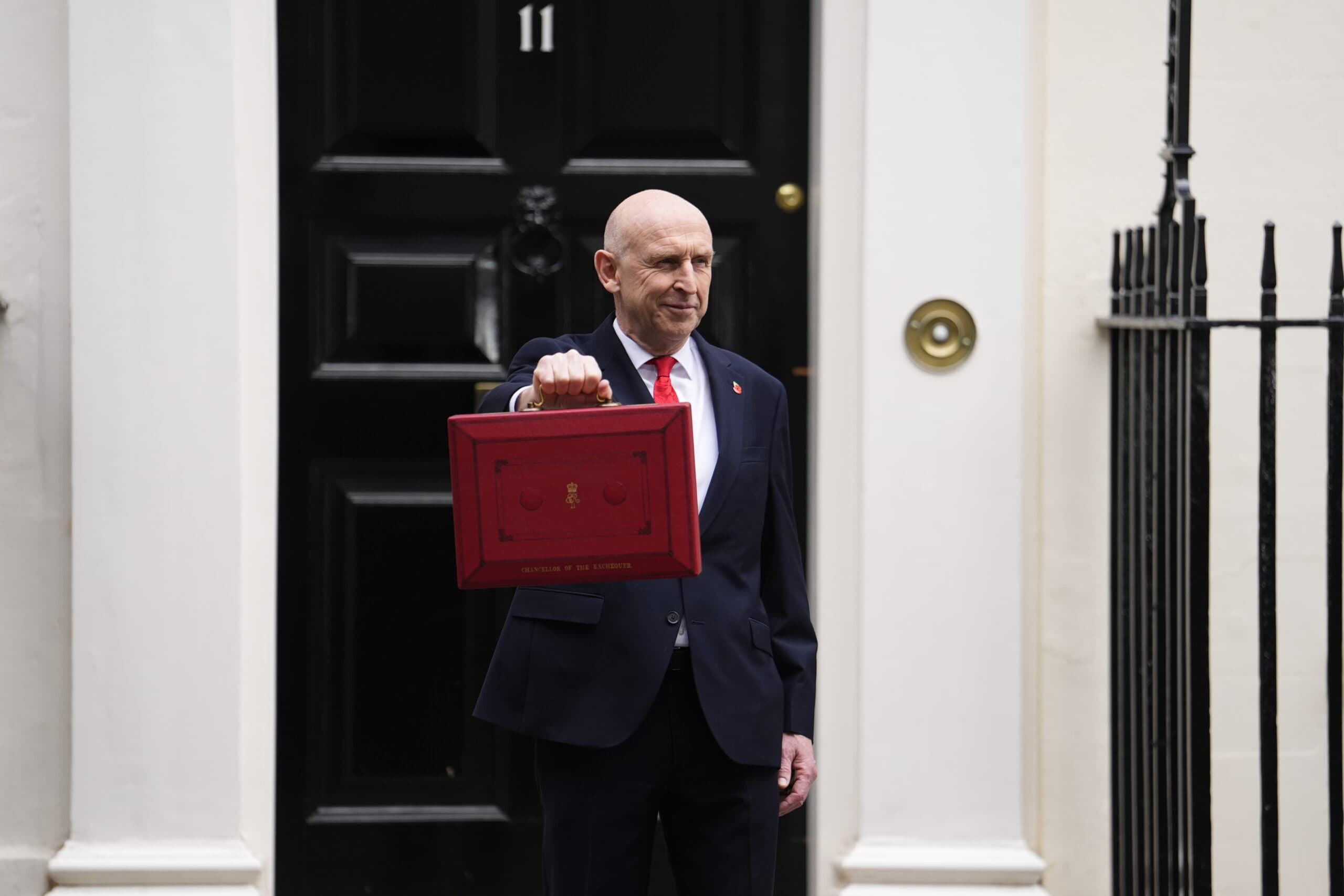
The Autumn Budget extends the fuel duty freeze to July 2027, raises business rates relief and lifts the minimum wage by 3.9%.
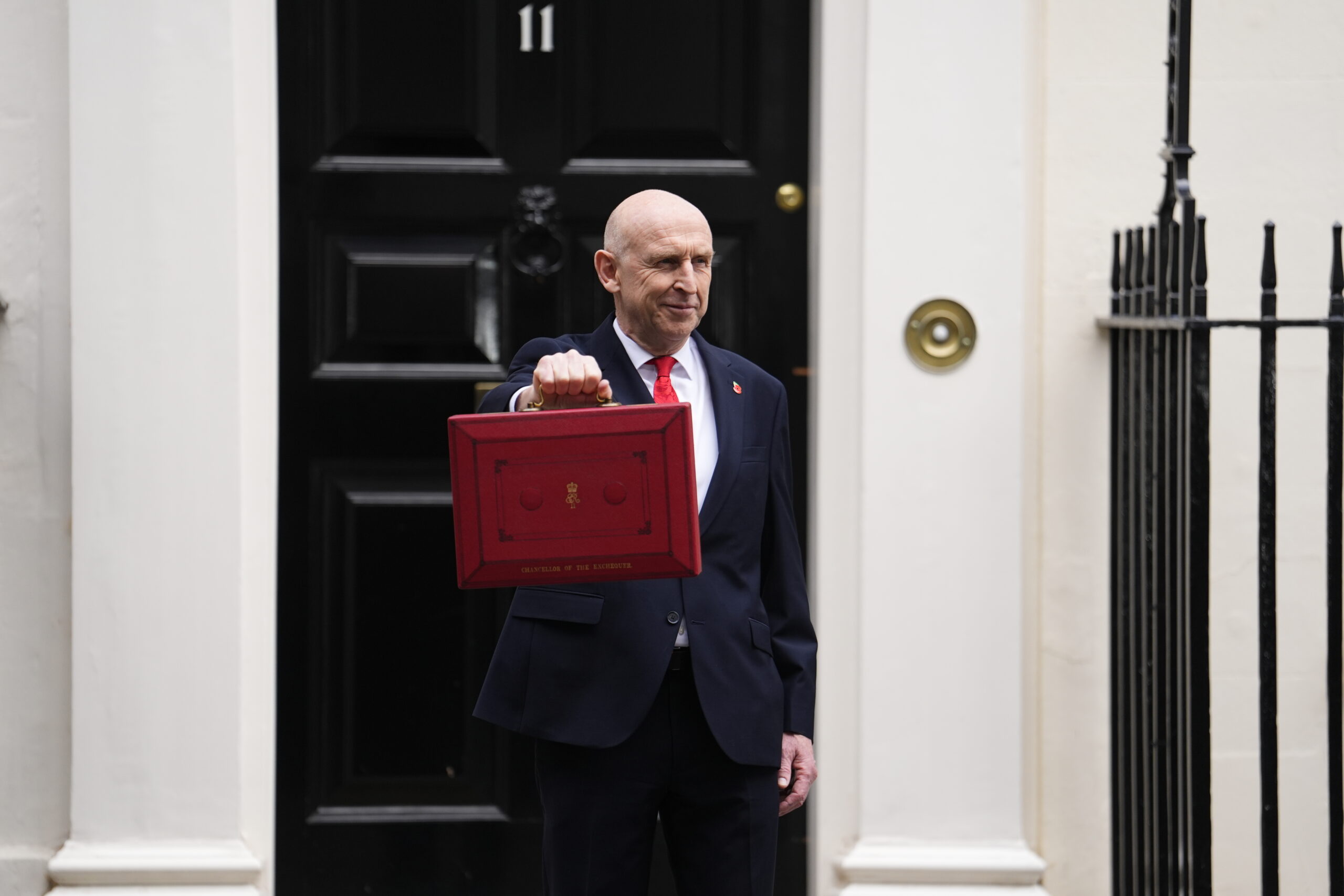
Chancellor John Healey’s Autumn Budget, delivered on 28 October 2026, extends the 5‑pence‑per‑litre fuel duty cut to July 2027, raises the small‑business rates relief threshold and increases the national minimum and living wages by 3.9%, a mix of relief and cost pressure for car dealers.
Key takeaways
- Fuel duty cut continues until July 2027, easing fuel cost pressure.
- Small‑business rates relief threshold rises from £12,000 to £18,000, removing rates for an extra 70,000 businesses.
- Real‑term business rates are frozen for two years for eligible retail, hospitality and leisure premises.
- Minimum and living wages rise 3.9%, adding payroll costs for dealership staff.
Fuel duty freeze extended
The budget confirms the existing 5‑pence‑per‑litre cut to fuel duty will remain in place until July 2027. The extension is intended to support motorists as fuel prices stay high due to ongoing conflict in the Middle East.
Dealers benefit from lower wholesale fuel costs, but the relief is modest compared with the overall price volatility. The measure does not affect the tax treatment of red diesel, which remains at its lowest rate in over two decades.
Business rates relief for small premises
The threshold for small‑business rates relief for retail, hospitality and leisure sectors increases from £12,000 to £18,000. Treasury figures say the change will take an additional 70,000 businesses out of paying rates entirely.
For businesses that remain within the relief band, rates are frozen in real terms for two years, meaning no above‑inflation increases. The budget does not specify whether motor‑vehicle dealerships qualify, leaving eligibility to be clarified by later guidance.
National wage increase adds cost pressure
Both the national minimum wage and the national living wage rise by 3.9% from April 2027. The increase applies to an estimated 2.3 million workers across the UK, including many dealership roles such as vehicle preparation, valeting and administration.
Higher hourly rates increase payroll outlay for dealers that rely on lower‑paid staff. The change may also compress pay differentials for employees already earning above the statutory minimum, prompting managers to review compensation structures.
Overall fiscal outlook
The Office for Budget Responsibility projects economic growth of 1.2% for 2026, falling to 1% in 2027 before rising to 1.6% in 2028. The chancellor described the budget as designed to give businesses and households breathing space.
All business rates revenue will be retained locally by the end of the decade, with 20% allocated to mayors from 2027. This localisation of funds could create new opportunities for regional investment that dealers may tap into.
What this means for dealers
The fuel duty freeze offers limited mitigation against rising fuel costs, but the benefit is spread across the whole market and does not target dealer margins directly. Dealers should still monitor wholesale fuel price trends when budgeting for service bays and test‑drive fleets.
The higher minimum and living wages are likely to lift overall employment expenses, especially for roles that are currently paid at or near the statutory floor. Combined with the uncertainty over business rates relief eligibility, dealers may need to adjust staffing levels, review pricing, or seek efficiency gains to protect profit margins.
Frequently asked questions
Will the expanded business rates relief apply to car dealerships?
Eligibility for the new £18,000 relief threshold is limited to retail, hospitality and leisure premises, and the budget has not clarified whether motor‑vehicle dealerships fall within that definition. Dealers should await detailed guidance before assuming they will benefit.
How will the 3.9% increase in the national minimum and living wages affect dealer costs?
The rise adds roughly four pence per hour to the baseline wage rates, increasing total payroll spend for staff on the shop floor and in administration. For a dealership employing ten employees at the minimum rate, the annual cost could rise by several thousand pounds, pressuring already thin margins.
What steps can dealers take to offset higher wage and potential rates costs?
Dealers can improve operational efficiency, renegotiate supplier contracts, and consider modest price adjustments on high‑margin products. Leveraging local business‑rate retention schemes and exploring government‑backed training subsidies may also help mitigate the impact of rising labour expenses.
This article summarises reporting first published by Car Dealer Magazine.