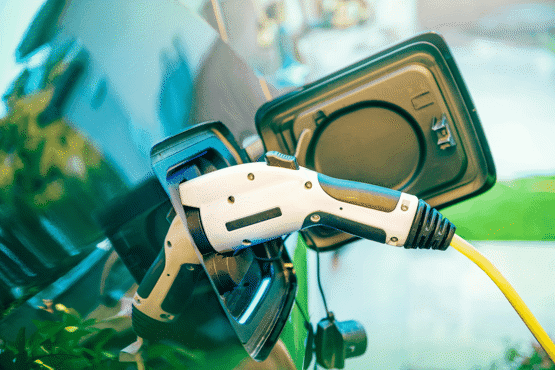
EV sales opportunity grows for dealers in Wales and North England
Analysis shows record private EV ownership and rapid used EV growth create new sales prospects for dealers in Wales and the North of England despite charging…
Dealers operating in Wales and the North of England face a expanding electric‑vehicle (EV) sales opportunity, according to recent analysis. Record private EV ownership, heightened next‑car consideration for EVs and swift growth in the used EV market underpin the trend, while uneven charging infrastructure remains a hurdle.
Key takeaways
- Private EV ownership in the region has reached a record level.
- More buyers are naming EVs as their next vehicle choice.
- Used EV transactions are increasing faster than new‑car EV sales.
- Charging infrastructure gaps continue to affect consumer confidence.
Record private EV ownership
The analysis highlights that private owners in Wales and the North of England now hold the highest numbers of EVs recorded in recent years. This surge reflects broader national adoption and offers dealers a larger pool of potential trade‑ins and upgrades.
For franchised and independent retailers alike, the expanding owner base translates into more frequent service visits, battery maintenance needs and eventual resale opportunities.
Rising next‑car consideration for EVs
Customer surveys indicate that a growing share of motorists are now naming an electric model as their preferred next purchase. The shift is driven by lower running costs, improving range and government incentives.
Dealers can leverage this interest by positioning EVs alongside traditional models, providing clear cost‑of‑ownership data and showcasing available grants.
Rapid growth in the used EV market
Used EV transactions are outpacing new‑car EV sales in the region, suggesting that owners are willing to trade up or switch brands after a few years of ownership. This creates a secondary market that many dealers have yet to fully exploit.
Stocking quality used EVs, certifying battery health and offering competitive warranties can attract price‑sensitive buyers and increase overall volumes.
Charging infrastructure inequality
Despite growth, the analysis points out that charging provision remains uneven across Wales and the North of England. Rural areas especially suffer from limited fast‑charging sites.
Dealers should address this gap by partnering with local authorities, installing workplace chargers and informing customers about emerging charging networks.
What this means for dealers
Dealers in the targeted regions should expand their EV inventory, both new and used, to capture the rising demand. Investing in staff training on EV technology and after‑sales services will improve customer confidence.
Collaborating on charging solutions and clearly communicating incentives can mitigate the infrastructure challenge and encourage hesitant buyers to transition to electric.
Frequently asked questions
How can dealers source quality used EVs?
Dealers can tap into manufacturer‑certified pre‑owned programmes, attend specialist auctions and develop relationships with fleet operators looking to upgrade. Verifying battery health through diagnostics and offering warranty extensions helps assure buyers of the vehicle’s condition.
What incentives are currently available for EV purchases in Wales and the North of England?
National grants such as the Plug‑in Car Grant remain in place, along with regional schemes that may provide additional rebates for home charger installation. Dealers should stay updated on local authority incentives that can further reduce purchase costs.
Will the charging infrastructure improve in the near term?
Government plans to expand the fast‑charging network aim to address regional disparities, with several new sites slated for rollout in the coming years. Dealers can monitor rollout maps and promote upcoming chargers to reassure prospective buyers.