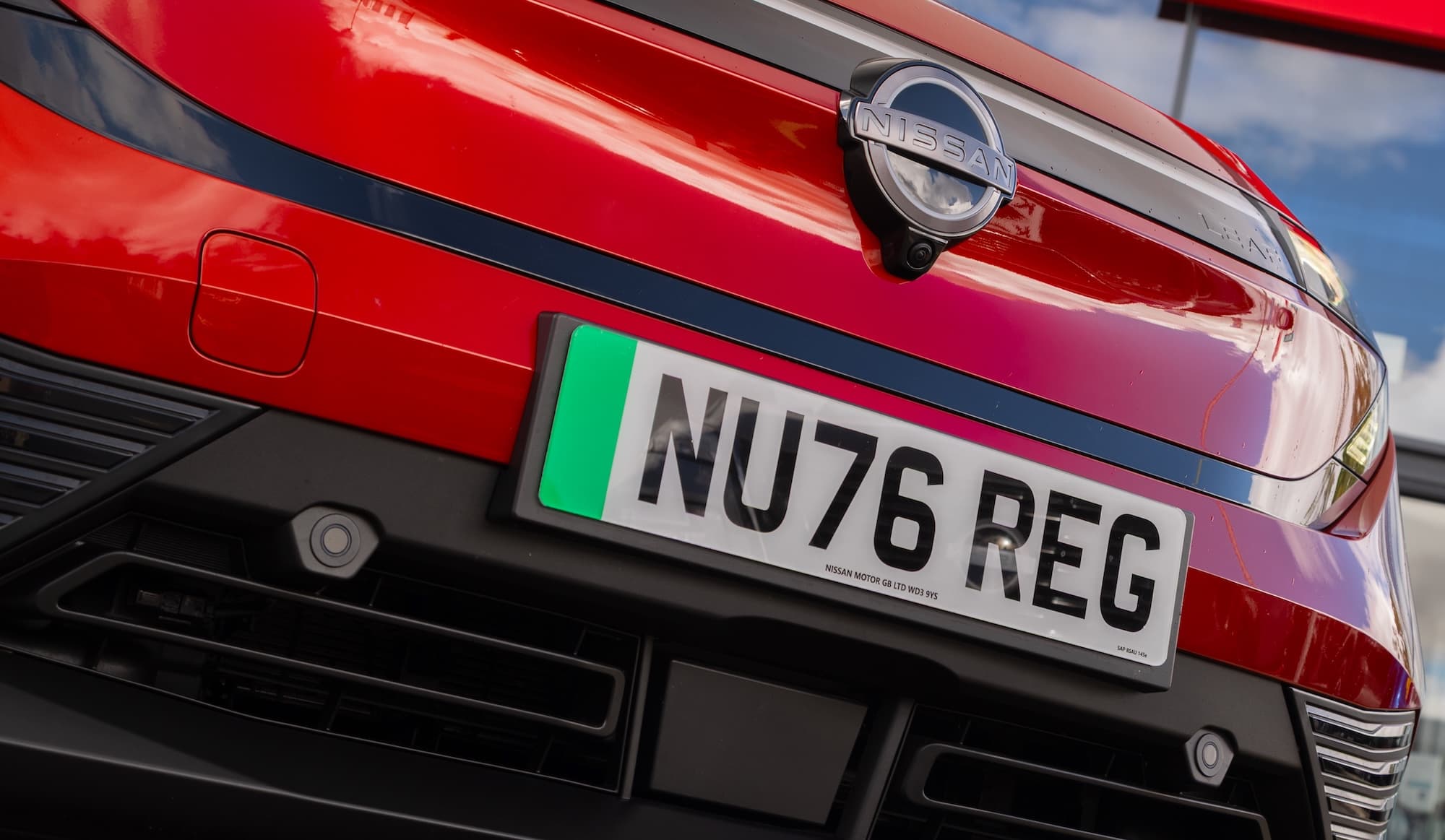
DVLA blocks over 500 ‘76’ number plates for offensiveness
The DVLA has withheld more than 500 new ‘76’ registration plates for rude or offensive content, affecting vehicles registered between September 2026 and…
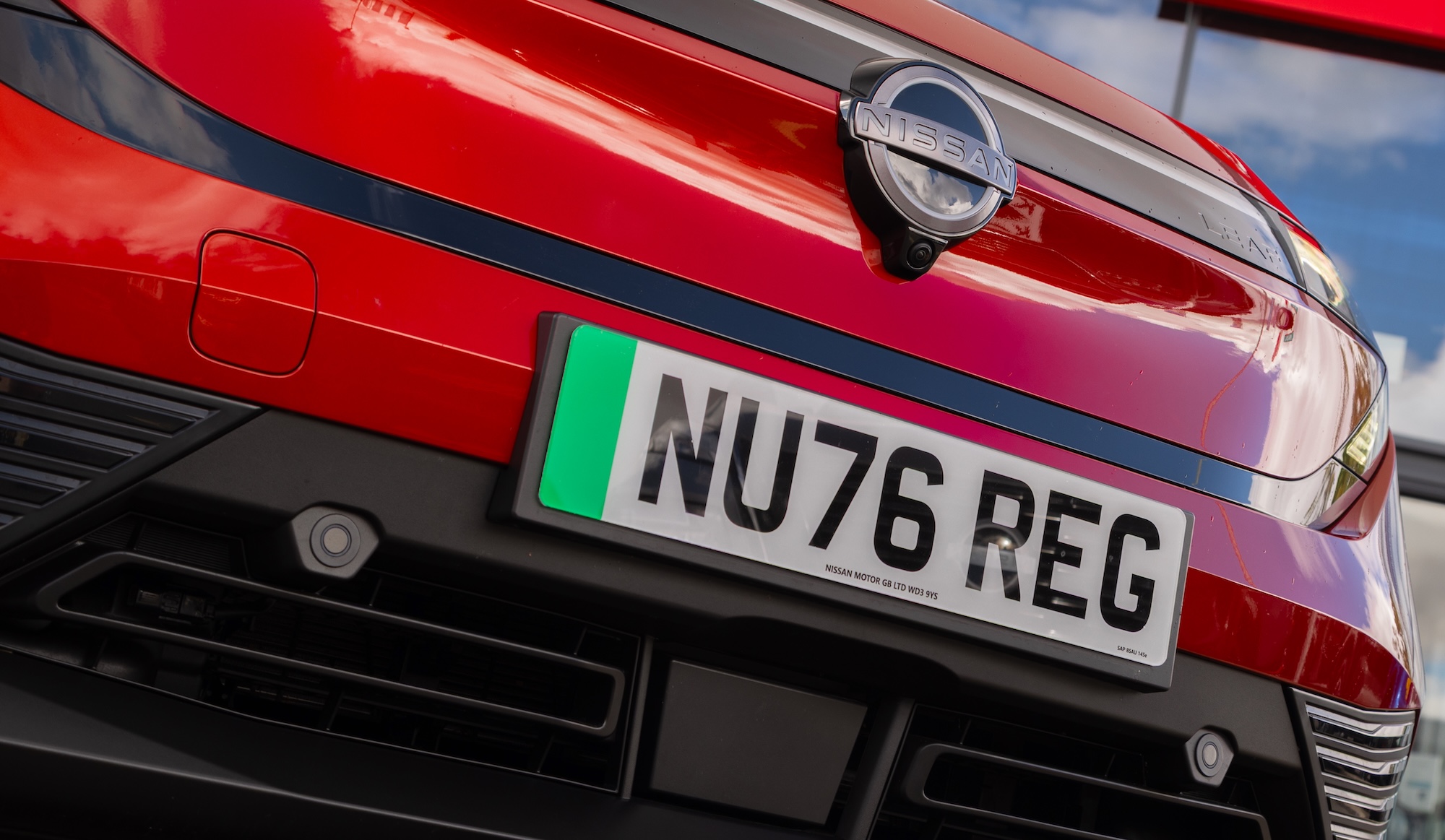
More than 500 newly issued ‘76’ number plates have been rejected by the DVLA after the agency flagged them as rude or offensive. The ban applies to cars registered from 1 September 2026 until the next change in March 2027, limiting the pool of desirable registrations for dealers and their customers.
Key takeaways
- Over 500 ‘76’ registrations were withheld following a DVLA review.
- The ban covers cars registered between September 2026 and March 2027.
- Offensive combinations include profanity, weapon references and geopolitical terms.
- Dealers will need to manage reduced availability of popular personalised plates.
- The DVLA reviews potential plates twice a year.
DVLA’s biannual registration screening
Before each March and September registration change, the Driver and Vehicle Licensing Agency examines every possible registration for the new age identifier. Any combination deemed likely to cause offence, embarrassment or be in poor taste is withheld from issuance.
This systematic review is performed twice a year and results are published after Freedom of Information requests, as seen with the latest ‘76’ series.
Why the ‘76’ identifier creates problem plates
The ‘76’ age identifier is popular because the digit seven can be reshaped to resemble letters such as T or R. This flexibility enables the formation of vulgar words or contentious abbreviations when paired with surrounding letters.
Examples include AA76 RSE, EA76 POO and SH76 TTY, all of which were blocked. The DVLA also rejected plates referencing war, weapons or current conflicts, such as GO76 WAR and GE76 GUN.
Illustrative banned registrations
The agency’s latest list contains combinations like BU76 GAY, HH76 NAZ, MP76 GUN and WE76 COX. Several entries reference Russia and Ukraine, for example RU76 RUS and RU76 UKR, reflecting heightened sensitivity to geopolitical issues.
Although some blocked plates require imagination to interpret, the DVLA adopts a cautious stance to avoid controversy on the roads.
What this means for dealers
Dealers must anticipate a smaller selection of premium ‘76’ plates when advising customers on personalised numbers. Stocking a range of acceptable alternatives early can reduce delays in the sales process.
Remaining aware of the DVLA’s criteria helps dealers steer customers away from potentially rejected combinations, improving the likelihood of successful registration.
Frequently asked questions
How often does the DVLA review new number plates?
The DVLA conducts a comprehensive review twice a year, ahead of the March and September registration changes, to filter out combinations that could be offensive or in poor taste.
Can dealers request alternative plate combinations if a desired one is blocked?
Yes, dealers can submit alternative suggestions within the same age identifier series. The DVLA will assess each new request against the same offensive‑content guidelines before approval.
What should dealers do if a desired plate is withheld?
Dealers should inform the customer promptly, offer a shortlist of acceptable alternatives, and, if needed, advise the customer to choose a different identifier series. Early communication helps maintain sales momentum and customer satisfaction.