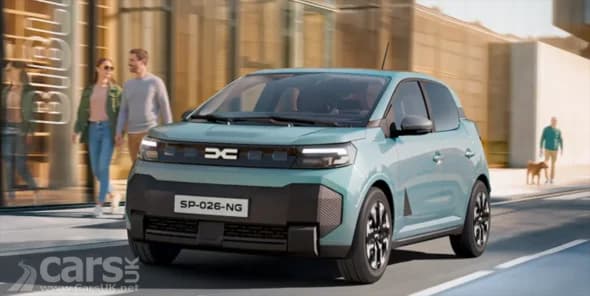
Dacia Spring EV now priced under £18k as Renault Twingo sibling
The refreshed Dacia Spring EV is positioned as a Renault Twingo sibling with prices starting below £18,000, giving dealers a low‑cost electric option for…
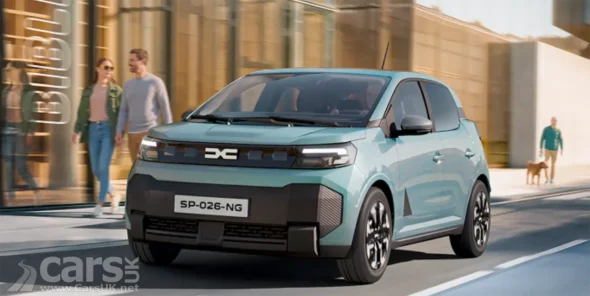
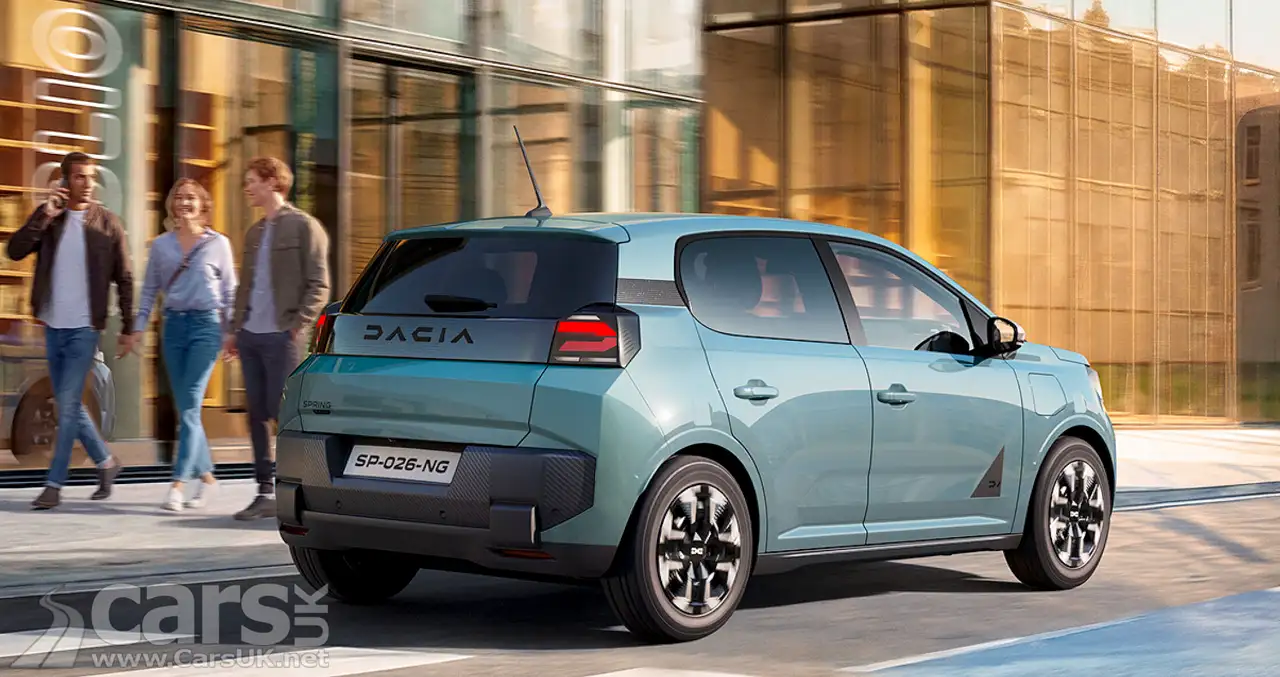
The Dacia Spring has been relaunched as a more mature electric city car, positioned as a sibling to the Renault Twingo. Pricing now starts under £18,000, slightly above the original £14,995 entry level, giving dealers a fresh, low‑cost EV option for congested urban markets.
Key takeaways
- New Dacia Spring is marketed as a sibling to the Renault Twingo.
- Price starts under £18,000, lower than many city EVs.
- Original UK launch was in 2024 with a £14,995 entry price.
- Targets budget‑focused buyers seeking a second‑car EV.
Dacia Spring positioning in the market
The Spring continues Dacia’s focus on practical, no‑frills transportation. Launched in the UK in 2024, it was promoted as an inexpensive urban EV suitable as a second vehicle for families navigating city traffic.
Dealers have used the model to fill the growing demand for low‑price electric cars, offering a simple purchase with limited options but reliable range for short trips.
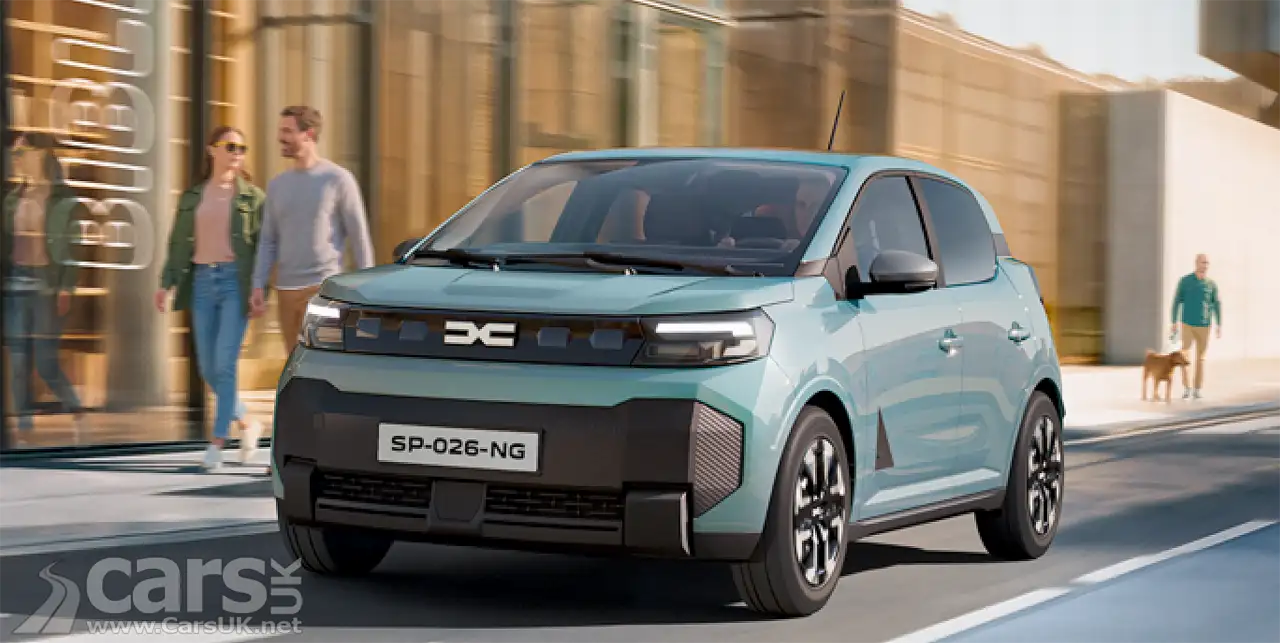
Customer surveys indicate the Spring’s straightforward design and low running costs resonate strongly with first‑time EV owners. Dealers report quick turnover rates, particularly in city‑centre branches where parking restrictions increase demand for compact electric models. Additionally, the vehicle’s modest dimensions make it easy to demonstrate on tight urban test tracks, allowing sales staff to showcase manoeuvrability and charging convenience within a short demo session.
Pricing and trim levels
The updated Spring now lists a base price just below £18,000, a slight increase from the original £14,995 entry point but still competitive against other city EVs.
The pricing strategy aims to attract cost‑conscious buyers while preserving a margin that supports dealer profitability, especially as electric incentive schemes phase out.

Compared with rivals such as the Fiat 500e and the Nissan Micra EV, the Spring’s sub‑£18,000 price point represents a clear advantage, especially as the UK government phases out plug‑in grant schemes. The modest price also positions the model well for fleet customers seeking low acquisition costs without sacrificing essential electric range for everyday commutes.
Relation to Renault Twingo
Both models share components from the Renault‑Nissan‑Mitsubishi alliance, allowing Dacia to position the Spring as a more grown‑up counterpart to the Renault Twingo.
The Twingo remains slightly cheaper, but the Spring offers a larger battery and a fresher design, making it appealing for customers wanting extra range without a premium price.
Future iterations may benefit from Renault’s upcoming battery technology roadmap, potentially extending range while keeping the price bracket unchanged. Dacia’s parent company has hinted at a facelift for the Spring in 2027, which could include refreshed exterior trim and optional equipment upgrades, further strengthening its appeal against newer entrants in the compact EV segment.
What this means for dealers
Dealers can leverage the Spring’s low entry cost to meet the growing appetite for affordable EVs, especially in densely populated regions where city‑run miles dominate.
While margins are tighter than for higher‑priced models, the volume potential and eligibility for residual‑value programmes can offset lower per‑unit profit, encouraging stock of the Spring across franchise networks.
Frequently asked questions
What is the starting price of the new Dacia Spring EV?
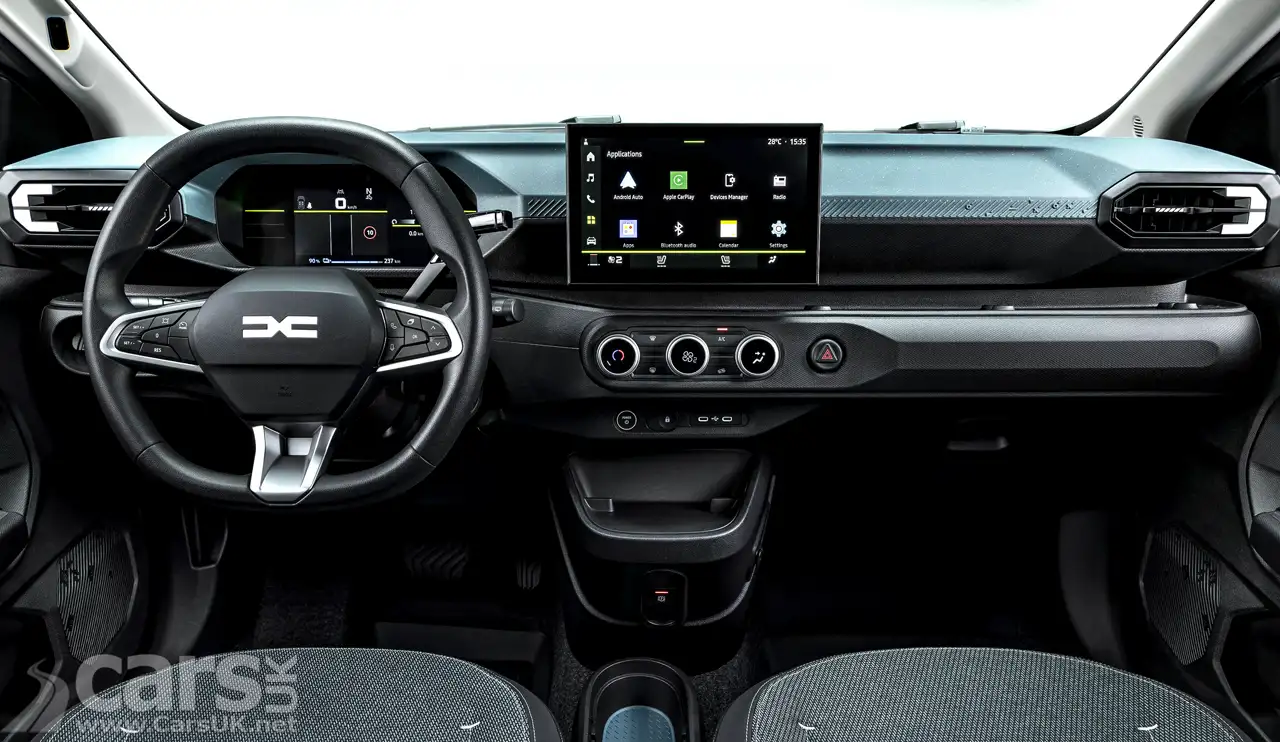
The refreshed model is advertised with a price just under £18,000, slightly above the original £14,995 entry price but still positioned below most competing city electric cars, giving buyers a budget‑friendly option. It includes standard equipment such as a basic infotainment system and limited colour choices, which help keep the cost low.
How does the new Dacia Spring compare to the Renault Twingo?
Both cars stem from the same alliance platform, but the Spring carries a larger battery and a slightly higher price, offering greater electric range than the Twingo. The Twingo remains marginally cheaper, yet the Spring’s newer styling and improved interior space make it a more attractive choice for buyers prioritising practicality over the lowest possible price.