Porsche Mission S Concept previews new EV supercar
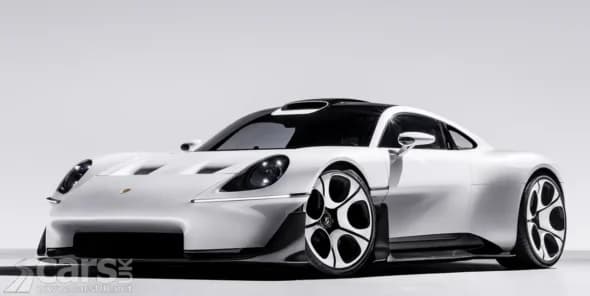
Porsche unveiled the Mission S Concept in October 2026, hinting at a future range‑topping electric supercar and a shift in its EV strategy.
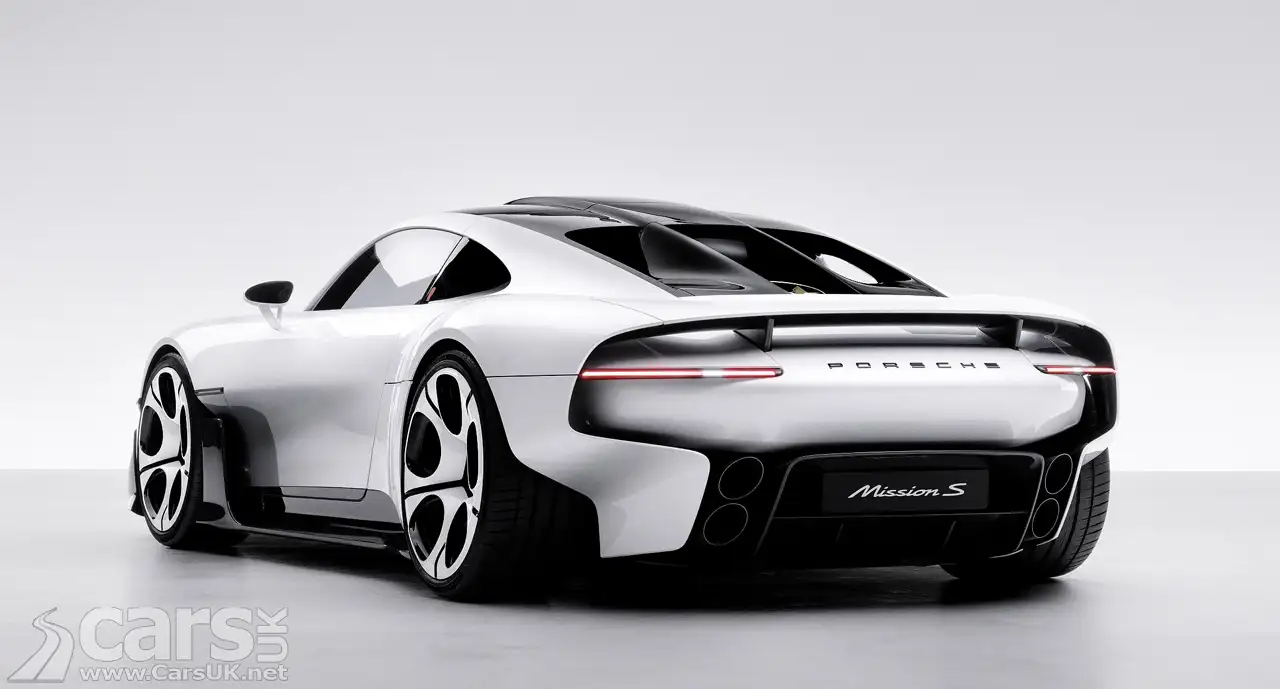
In October 2026 Porsche unveiled the Mission S Concept, a preview of a future range‑topping mid‑engine electric supercar. The model showcases the brand’s next design language and signals a strategic shift as Porsche reassesses its electric‑vehicle programme amid reported financial pressures.
Key takeaways
- Porsche Mission S Concept previews a future top‑end electric supercar.
- The design indicates a mid‑engine layout and new styling cues.
- Porsche is reviewing its EV strategy due to financial concerns.
- Dealers should monitor potential impact on high‑performance EV demand.
Design and performance cues
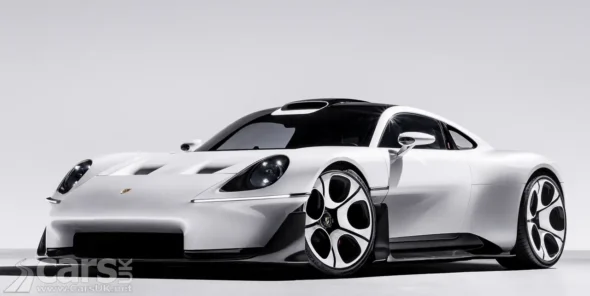
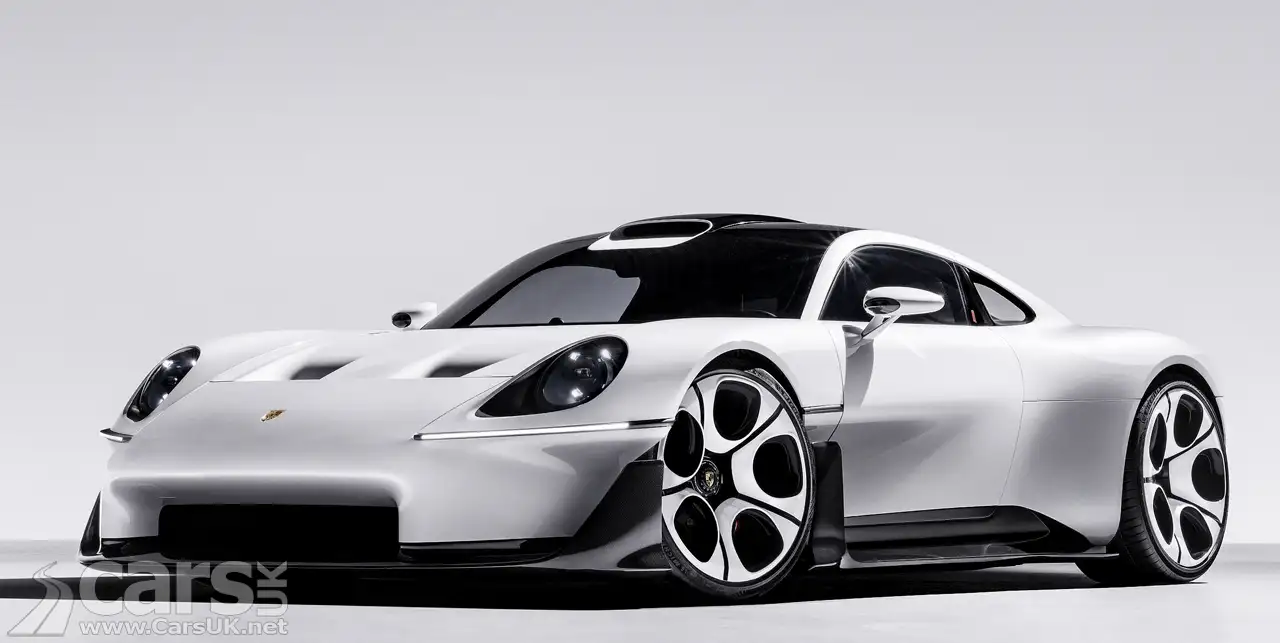
The concept’s sharp front fascia, low roofline and pronounced side air intakes echo Porsche’s classic silhouette while adopting a futuristic electric aesthetic. Renderings suggest a mid‑engine placement that could deliver instantaneous torque, with anticipated output exceeding 1,000 hp, positioning the car above the current Taycan range.
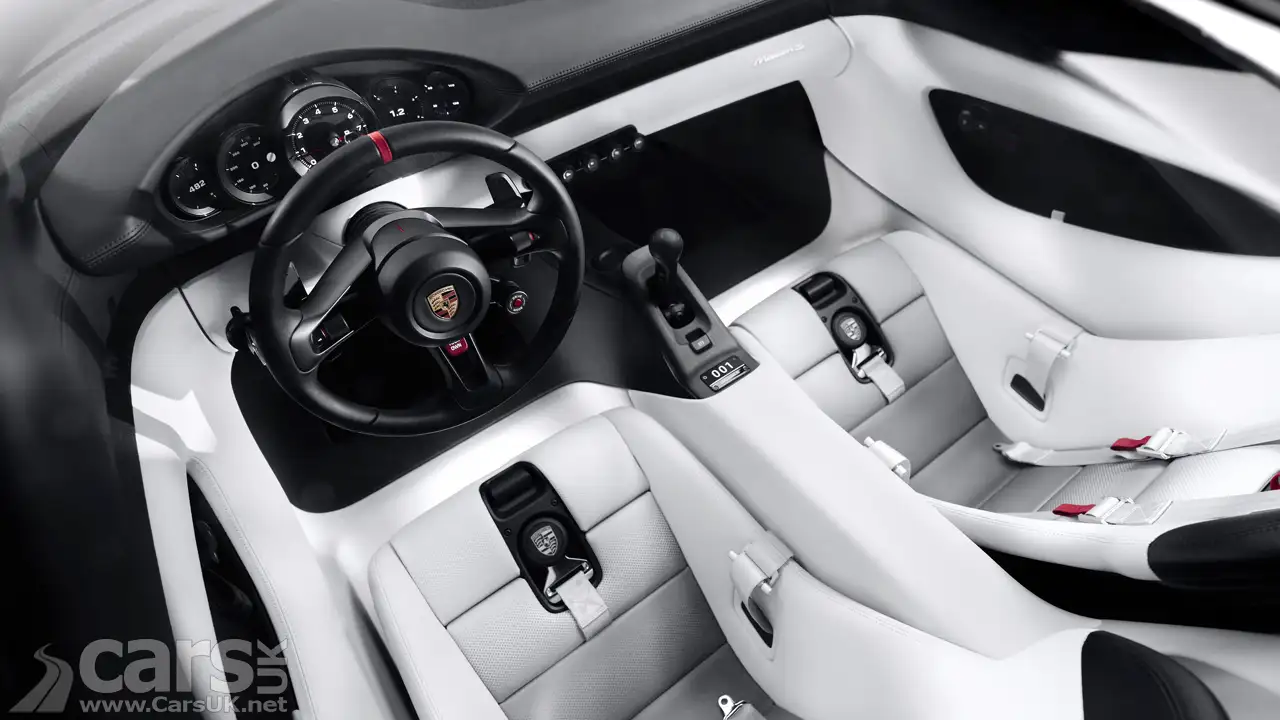
Inside, the cabin appears driver‑focused, featuring a digital instrument cluster and a large infotainment screen that integrate with Porsche’s Connect platform. The absence of a traditional gearbox and the inclusion of advanced battery cooling hint at a performance envelope aimed at track‑day capability while retaining everyday usability.
Strategic context for Porsche
Porsche’s recent financial reports have shown pressure on its EV division, prompting the brand to temper its electrification rollout. The Mission S acts as a bridge, offering an electric flagship that could recoup development costs while preserving the company’s performance reputation.

By positioning a high‑margin electric supercar alongside the existing hybrid and combustion lineup, Porsche aims to diversify revenue streams. The model may also serve as a testbed for battery technology that could later filter down to more mainstream models such as the Taycan and future Macan EV.
Potential market impact
If brought to production, the Mission S could attract affluent buyers seeking exotic performance without tailpipe emissions. Its likely price tag, projected above £300,000, would place it in a niche yet highly profitable segment, potentially encouraging other luxury marques to accelerate their own electric supercar programmes.
The introduction may also lift residual values of current Porsche electrics, as customers anticipate technology spill‑over. Dealerships with strong service capabilities for high‑voltage systems could benefit from increased service contracts and parts sales linked to a sophisticated EV powertrain.
What this means for dealers
Dealers should prepare staff training on high‑voltage safety and familiarize themselves with Porsche’s upcoming EV service protocols. Early exposure to the Mission S concept can aid in marketing discussions with customers interested in cutting‑edge performance electric vehicles.
Maintaining inventory of compatible charging equipment and exploring financing solutions for ultra‑high‑value EVs will position showrooms to capture the anticipated demand once the supercar reaches production.
Frequently asked questions
When is the Porsche Mission S expected to enter production?
Porsche has not announced a specific launch date, but the Mission S Concept is intended as a preview of a future production model. Industry analysts suggest that if development proceeds, the car could be unveiled as a limited‑run vehicle sometime between 2028 and 2030, subject to market conditions.
How might the Mission S affect pricing of existing Porsche EVs?
The arrival of a premium, high‑performance electric supercar is likely to raise the perceived value of Porsche’s current EV range. Dealers may see stronger residuals and increased interest in the Taycan and upcoming electric Macan, as buyers compare technology and performance across the lineup.
This article summarises reporting first published by CarsUK.