Are Reserve Prices Still Crucial? Motorway’s Stance After Carwow’s Radical Auction Changes
Motorway says reserve prices remain vital after Carwow drops them – what this means for UK dealers.
What are reserve prices and why do dealers care?
Reserve prices have long been a cornerstone of UK used‑car auctions, giving sellers a minimum amount they are willing to accept and providing dealers with a clear benchmark before they commit a bid. In an environment where each bid incurs time and resource costs, knowing the seller’s expectations upfront can be the difference between a profitable purchase and a loss‑making trade.
Carwow removes reserve prices – what changed?
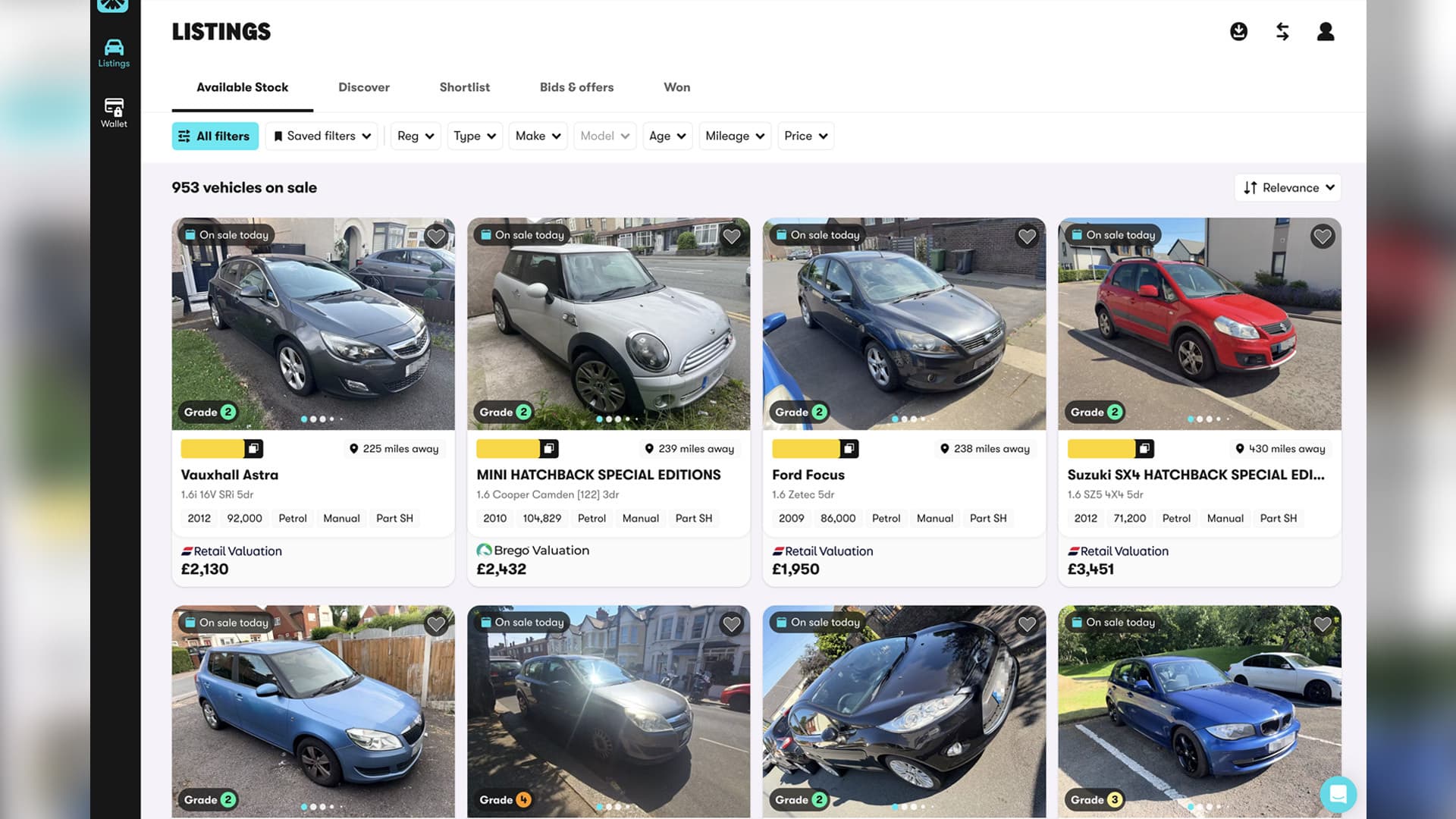
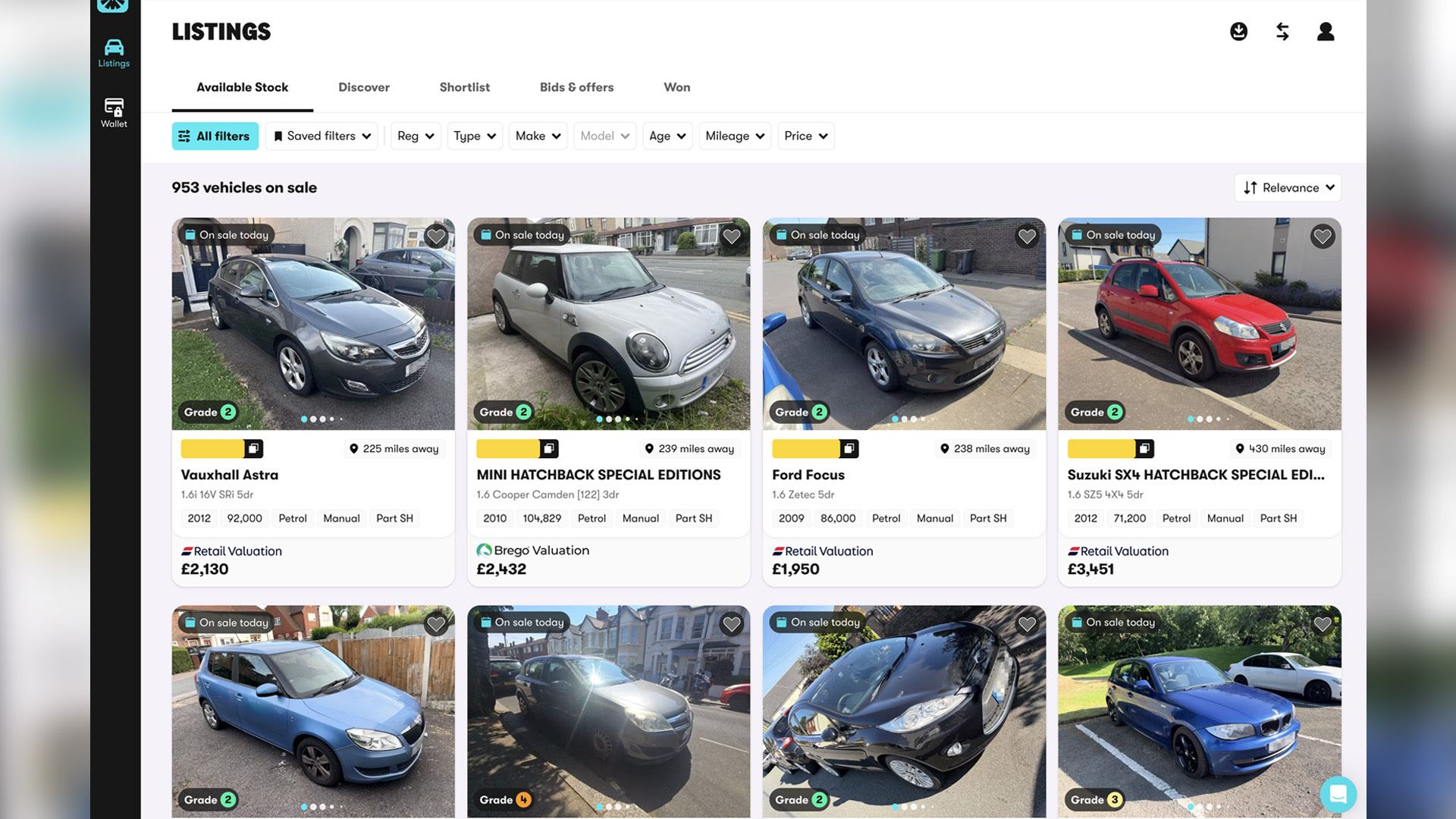
Earlier this week, Carwow announced a radical overhaul of its daily auction format. The platform eliminated reserve prices altogether and now only shows retail valuations sourced from Autotrader and Brego. In addition, the “Buy Now” listings were taken off the site. This shift means dealers must now “bid blind”, hoping that the price they offer meets the seller’s hidden minimum.
Industry reaction was swift. Members of private dealer forums expressed frustration, and IMDA chairman Umesh Samani described the changes as “meaningless”. Carwow’s CEO John Veichmanis defended the new approach, stating that the trial format generated more bids and that high reserves were deterring participation. He added that the removal of reserves makes it easier to have honest conversations with sellers whose price expectations are unrealistic.
Motorway reaffirms the value of reserve prices
In direct response, Motorway co‑founder and CEO Tom Leathes sent a letter to dealers emphasising that reserve prices will remain an integral part of the platform’s daily sales. Leathes argued that every bid carries a cost – dealers invest time researching vehicles, assessing stock value, allocating buying budgets and deciding where to compete. “We don’t think those decisions should be made blind,” he wrote. “Our job is to provide enough information for every bid to be a considered one – and to maximise your bid‑to‑complete ratio.”
New initiatives to support informed bidding
Motorway has introduced several measures designed to give dealers clearer signals about a vehicle’s sale intent. These include:
- Promoted listings – sellers pay an extra fee to highlight their vehicles, signalling a strong desire to sell.
- Early collection of documentation – paperwork is gathered before the auction closes, ensuring it is ready for the buyer immediately.
- Additional photo uploads – sellers are asked to provide more than the standard sixteen images, giving dealers a better visual appraisal.
Leathes explained that these signals, together with the disclosed reserve price, help dealers decide how aggressively to bid.
How the two approaches affect dealers
Carwow’s model seeks to increase bidding activity by removing a price floor, but it also leaves dealers without a clear safety net. As Veichmanis noted, the new format allows dealers to approach sellers after the auction with concrete evidence that a high reserve attracted no bids, facilitating a more transparent valuation discussion.
Motorway, by contrast, continues to give dealers the benefit of knowing the seller’s minimum price before they place a bid. This transparency aims to reduce wasted effort and improve the overall bid‑to‑completion ratio, aligning with dealers’ need to manage time‑intensive procurement processes.

What’s next for the UK used‑car auction market?
The divergent strategies of Carwow and Motorway highlight a broader debate within the UK automotive trade: should auction platforms prioritise volume of bids or the quality of information provided to dealers? As both platforms refine their models, dealers will need to monitor performance metrics closely and adapt their buying strategies accordingly.
John Veichmanis will discuss the changes in further detail on the upcoming Car Dealer Podcast, offering additional insight into how the new auction style may reshape dealer‑seller negotiations.