UK drivers choose self‑service for quicker queues
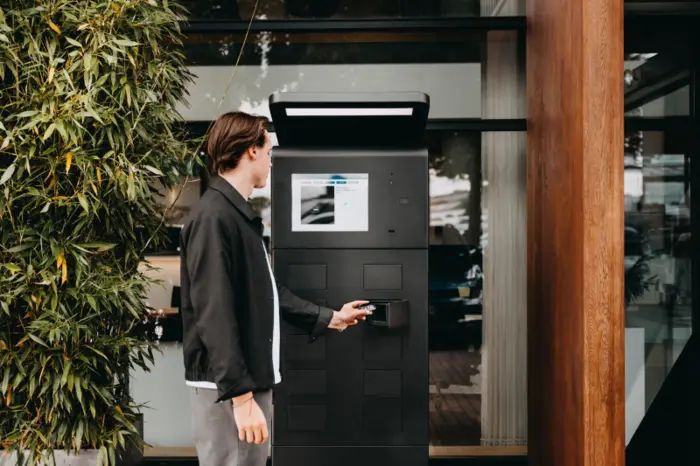
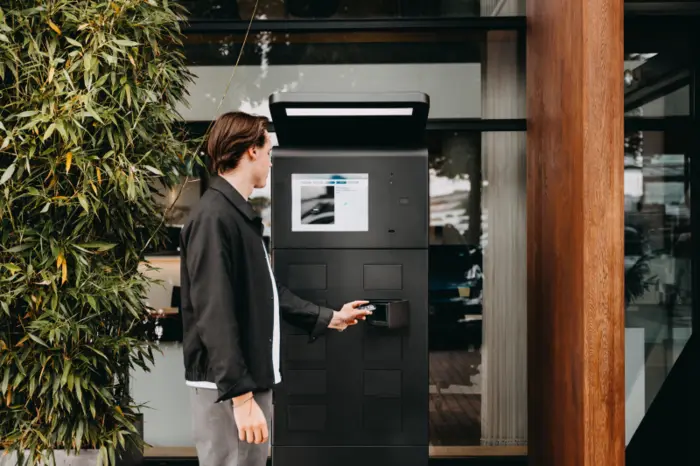
UK motorists are increasingly using self‑service options at dealerships to reduce waiting times and benefit from smarter aftersales.
UK drivers are turning to self‑service solutions at dealerships to avoid long waiting times and to enjoy more efficient aftersales processes. The shift promises quicker queue movement and smarter service interactions, making it a notable development for motor retailers across the UK.
Key takeaways
- Self‑service cuts queue times for customers.
- Aftersales become more data‑driven and efficient.
- Dealers report rising demand for kiosk options.
- Trend aligns with broader digitalisation in retail.
Growth of self‑service solutions
Self‑service kiosks and online booking tools have expanded across UK showrooms over the past year. Providers package check‑in, diagnostics and payment functions into a single touch‑screen interface. The technology reduces the need for staff to manage routine paperwork, freeing them for more complex tasks.
Industry data shows a steady increase in installations at both independent and franchise dealers. The rollout is supported by manufacturers offering integration kits that connect directly to vehicle telematics, allowing real‑time service prompts.
Benefits for drivers
Customers gain control over appointment timing, can upload service histories themselves and receive instant cost estimates. The process eliminates the traditional reception wait, often cutting the total service entry time by half.
Drivers also appreciate transparent pricing displayed on the screen, which builds trust and reduces surprise invoices. The convenience of a touch‑screen check‑in aligns with broader consumer expectations for instant digital experiences.
Adoption by dealerships
Dealerships that have introduced self‑service report smoother workflow in the service bay. Technicians receive prepared cars with clear work orders, reducing diagnostic delays. Staff can focus on higher‑value repairs rather than routine paperwork.
Beyond efficiency, many retailers highlight the branding advantage. A modern self‑service area signals a forward‑looking business, helping attract younger buyers who expect digital interactions throughout the purchase and ownership journey.
What this means for dealers
Dealers should assess the feasibility of installing self‑service stations in their service departments. Initial costs are offset by faster turnover, higher customer satisfaction scores and the ability to handle larger service volumes without proportional staff increases.
Training staff to manage and maintain the kiosks is essential. A smooth handover from self‑service check‑in to technician work ensures the promised time savings are realised and that the digital experience remains reliable.
Frequently asked questions
How quickly can a self‑service kiosk reduce queue times?
Most dealers report that the average wait before a vehicle reaches a technician drops by around 30 minutes, as drivers complete check‑in and payment before reaching the service bay.
Do customers need a smartphone to use self‑service?
No, the kiosk operates independently of a personal device. However, many systems allow drivers to scan a QR code from their phone to pull up service histories or confirm appointments.
What support is required from the dealer after installing a kiosk?
Dealers need to provide routine software updates, basic hardware maintenance and staff training to troubleshoot issues. Ongoing support from the kiosk supplier is also recommended to keep the system secure and functional.
This article summarises reporting first published by AM Online.