Tesla Model Y 64% lower emissions than petrol Tayron
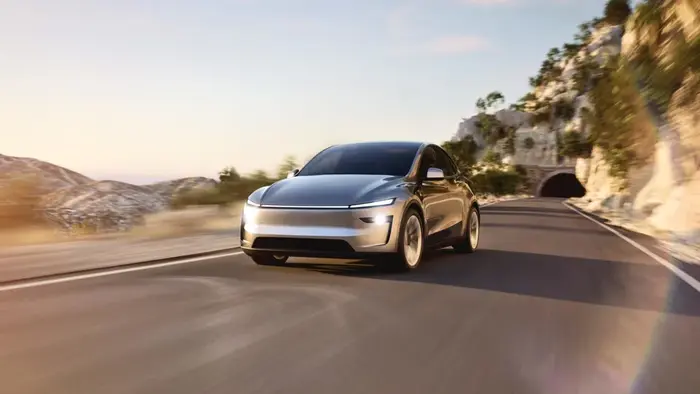
Green NCAP finds the Tesla Model Y produces 64% less lifecycle emissions than the petrol‑powered Tayron.
Green NCAP’s latest assessment shows the Tesla Model Y generates 64% lower lifecycle emissions compared with the petrol‑driven Tayron, underlining a major environmental advantage for electric SUVs that dealers may need to factor into their buying and pricing strategies.
Key takeaways
- Tesla Model Y emits 64% less over its lifetime than a comparable petrol SUV.
- Green NCAP’s methodology compares full vehicle cycle emissions.
- Lower emissions may influence dealer pricing and stock decisions.
Green NCAP assessment methodology
Green NCAP evaluates vehicles on a cradle‑to‑grave basis, including material extraction, manufacturing, use phase and end‑of‑life processing. The approach aims to provide a holistic view of a model’s environmental impact.
The assessment data are compiled from industry sources and verified by independent laboratories, ensuring consistency across electric and internal‑combustion models.
Tesla Model Y vs petrol Tayron emissions comparison
The Model Y’s electric powertrain and lower manufacturing emissions result in a 64% reduction in total lifecycle carbon output versus the Tayron’s petrol engine. This gap reflects both the zero‑tailpipe emissions of the electric vehicle and the energy mix used for charging.
Industry data shows that electric SUVs generally outperform comparable petrol models across the entire life cycle, not only during the use phase.
Implications for dealer valuation and stock
Dealers can use the emissions advantage as a selling point, especially as consumer awareness of environmental impact grows. Lower lifecycle emissions may also affect residual value assessments.
Valuation tools that incorporate sustainability metrics are beginning to reflect such differences, potentially leading to higher trade‑in offers for low‑emission models.
Regulatory and market context
The UK government’s push towards net‑zero transport targets is encouraging buyers to consider electric alternatives. Dealers that stock models with proven emissions benefits may align better with upcoming regulations.
Market trends indicate increasing demand for electric SUVs, and the emissions data from Green NCAP reinforces this shift.
What this means for dealers
Dealers should highlight the 64% emissions reduction when marketing the Model Y, as it differentiates the vehicle from petrol rivals. Incorporating lifecycle emissions into pricing models can help capture premium margins for low‑impact stock.
Adopting sustainability‑focused inventory strategies may also future‑proof businesses against tighter emissions legislation and evolving consumer expectations.
Frequently asked questions
How are lifecycle emissions calculated for electric and petrol SUVs?
Lifecycle emissions consider the total carbon output from raw material extraction, vehicle production, fuel or electricity consumption during use, and end‑of‑life recycling or disposal, providing a complete environmental picture.
Will lower emissions affect the resale value of the Model Y?
Dealers reporting that sustainability metrics are influencing buyer decisions suggest that lower emissions can support stronger resale values, particularly as regulations and consumer preferences shift toward greener vehicles.
This article summarises reporting first published by AM Online.