Porsche sales fall 16% but UK registrations rise
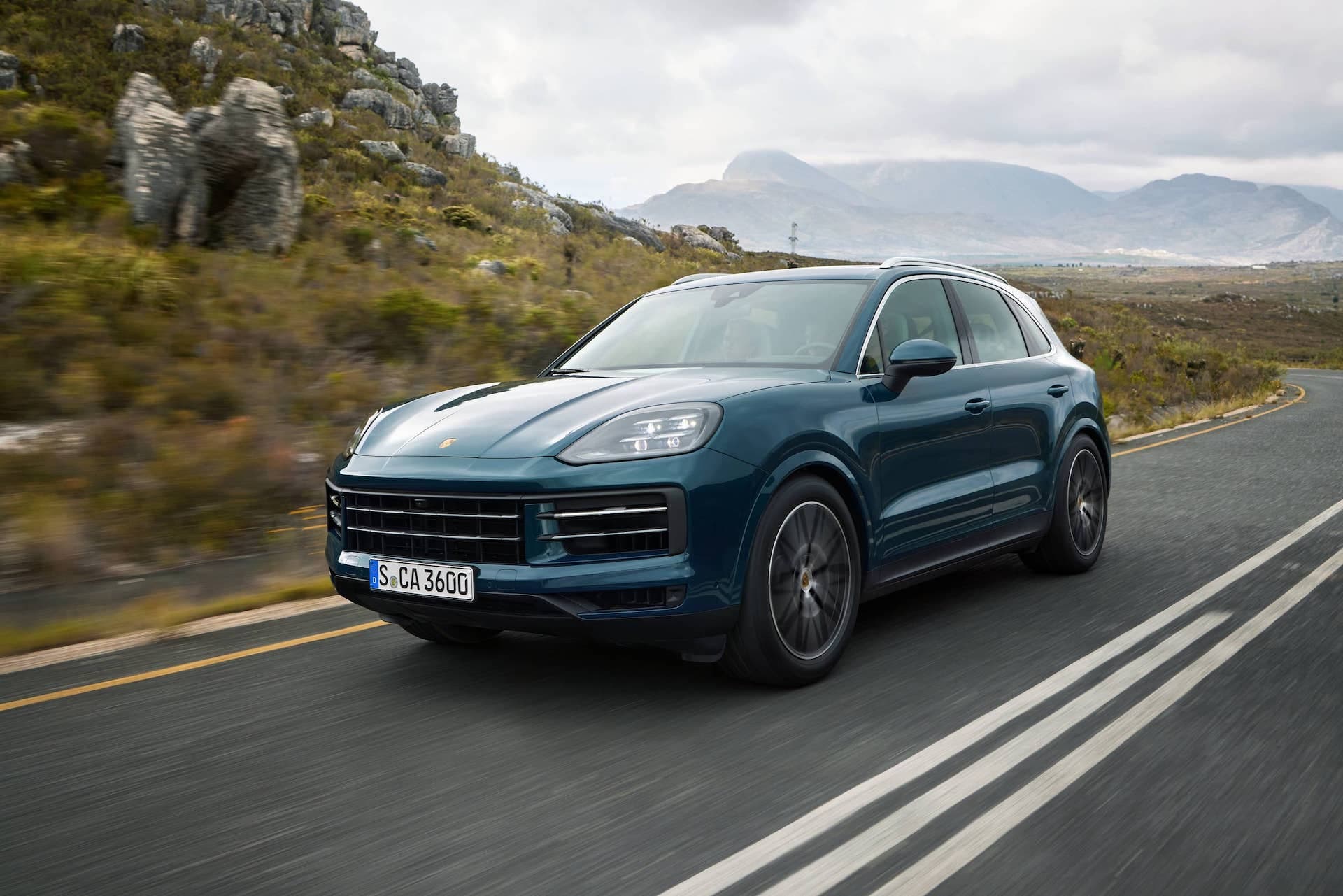
Porsche’s global deliveries dropped 16% in the first nine months of 2026, yet UK registrations grew 4.4%, offering dealers a unique market outlook.
Porsche’s global deliveries fell 16% to 178,532 units in the first nine months of 2026, yet UK registrations rose 4.4% to 14,238, offering dealers a rare positive signal amid worldwide weakness. The contrast highlights the importance of local market strategies and may influence stock and pricing decisions for UK showrooms.
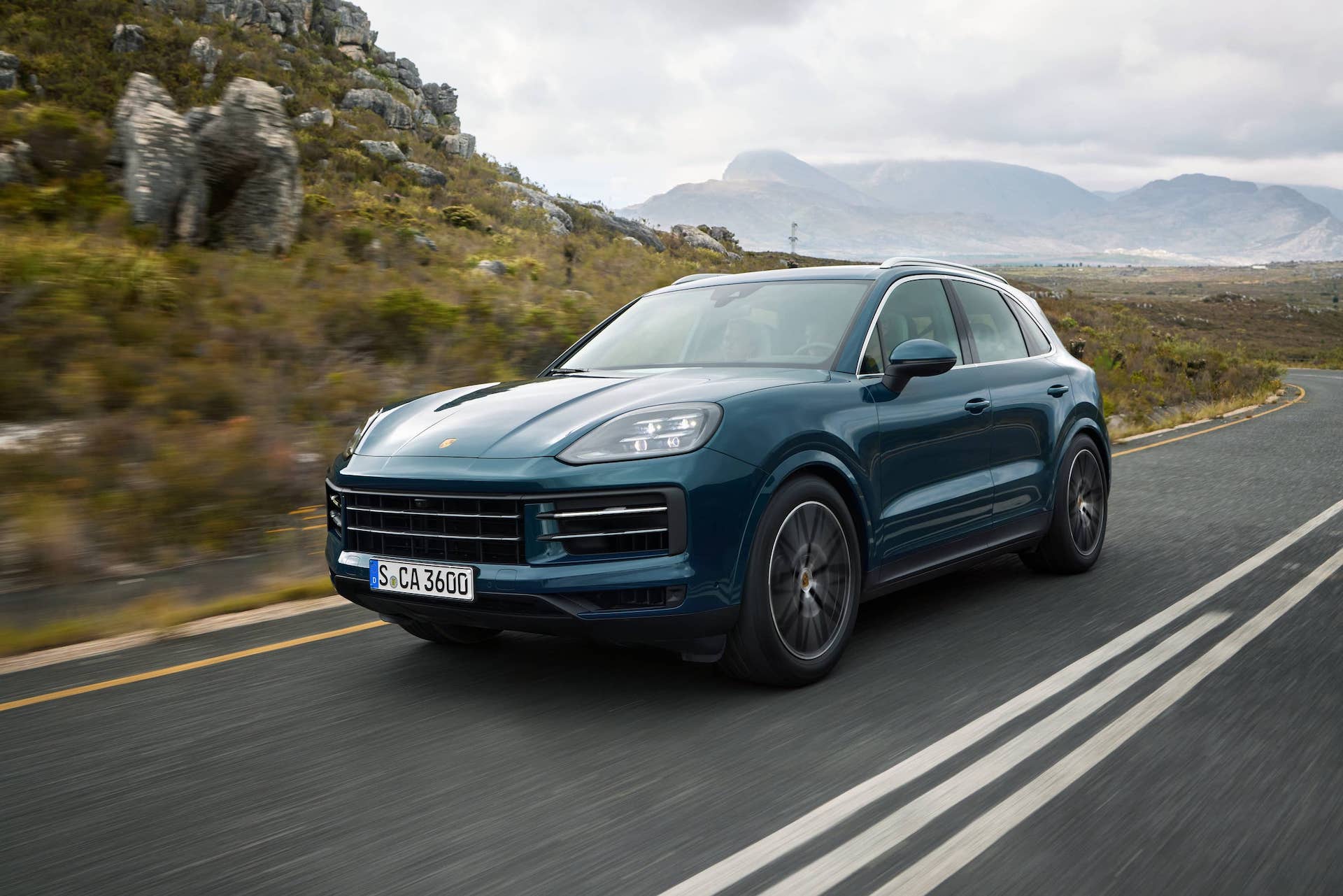
Key takeaways
- Porsche global deliveries dropped 16% year‑on‑year to 178,532 units.
- UK registrations increased 4.4% to 14,238 in the first nine months of 2026.
- Porsche plans cut 9,000 jobs and trim model variants by about 20%.
- China sales fell 33% to 21,493 units.
- 911 sales grew 12% to 42,217, the only model with double‑digit growth.
Global sales decline
Porsche delivered 178,532 vehicles worldwide in the first nine months of 2026, a fall of 16% on the 212,509 recorded in the same period of 2025. The drop represents a loss of almost 34,000 cars and reflects weakening demand across several markets.
The decline was most acute in China, where deliveries slipped by a third to 21,493 units. North America and the rest of Europe also posted double‑digit falls, underscoring the breadth of the slowdown.
Regional performance
In China, Porsche’s sales fell 33% to 21,493 cars, the steepest regional contraction. North American deliveries dropped 13% to 56,088, while European markets outside Germany slipped 11% to 44,949 units.
Germany’s home market recorded a 7% reduction, yet the United Kingdom bucked the trend. SMMT data shows UK registrations rose 4.4% to 14,238 in the first nine months of 2026, with September alone up 20.5% to 2,554.
Model performance
The Cayenne remained Porsche’s top seller with 59,586 deliveries, down only 2%. The Macan fell 21% to 51,025, while the iconic 911 grew 12% to 42,217, providing the only double‑digit model increase.
The Panamera’s volume dropped 35% to 13,714 and the all‑electric Taycan fell 31% to 8,699. The 718 Boxster and Cayman virtually disappeared, collapsing 79% to 3,291 units after production ended in October 2025.
Turnaround plan and profitability
Porsche unveiled a restructuring programme that includes cutting 9,000 jobs, reducing management headcount by 40% and trimming the number of model variants by roughly 20%. These moves aim to restore profitability at lower sales volumes.
The company’s operating profit margin slipped to 1.1% in 2025 from 18% in 2023, and it now targets a long‑term margin of 15%. Parent Volkswagen Group warned of €10 bn in exceptional costs for 2026, including Porsche’s writedown, and cut its operating‑margin outlook to at most 1%.
What this means for dealers
The UK’s registration growth suggests local demand remains resilient, encouraging dealers to maintain or modestly increase Porsche stock levels despite global softness. Strong 911 sales may steer focus toward high‑margin sports models.
However, the job cuts and reduced model range could limit future product variety, requiring dealers to adapt inventory strategies and emphasise personalisation options that Porsche continues to promote.
Frequently asked questions
Why are UK Porsche registrations rising while global sales are falling?
UK growth reflects a combination of brand loyalty, favourable financing conditions and a market that has been less affected by the economic slowdown hitting China and other regions. The September surge, driven by new model deliveries and dealer incentives, shows that local demand can diverge from global patterns, giving UK showrooms a short‑term sales buffer.
How might Porsche’s job cuts and model‑variant reduction affect dealership inventory?
With fewer management layers and a slimmer model lineup, Porsche intends to concentrate on higher‑margin, highly customisable cars. Dealers may see a narrower selection of variants but could benefit from stronger profitability per unit. The shift will likely increase emphasis on special‑order programmes and after‑sales services to maintain revenue despite a smaller overall volume.
This article summarises reporting first published by Car Dealer Magazine.