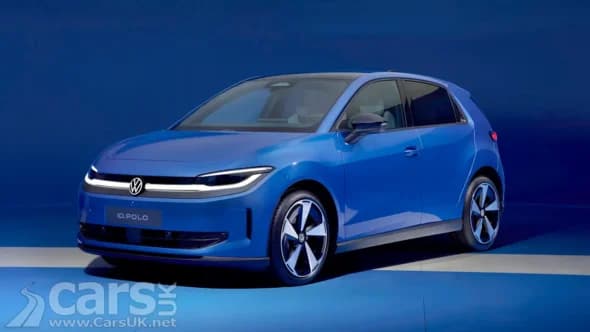
Is the Volkswagen ID. Polo Worth More Than the Renault 5 and Nissan Micra?
VW’s new ID. Polo starts at £23,945 – discover why it costs more than the Renault 5 and Nissan Micra and what that means for buyers.
Volkswagen ID. Polo Pricing Overview
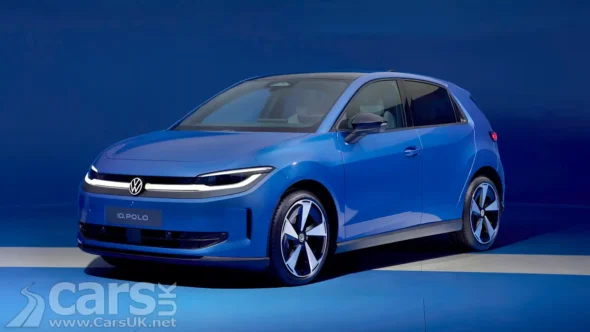
The newly announced Volkswagen ID. Polo begins at £23,945. This starting price places the electric Polo above the entry‑level pricing of two of its most direct rivals – the Renault 5 and the Nissan Micra. Both of those models are traditionally positioned as affordable city cars, making the ID. Polo’s premium figure a notable point of discussion for prospective buyers.
Why the Price Difference Matters
From a market‑watch perspective, the ID. Polo’s price tag signals Volkswagen’s strategy for its expanding ID family of electric vehicles. While the Renault 5 and Nissan Micra continue to be offered with conventional internal‑combustion engines at lower price points, the ID. Polo arrives as an all‑electric version of the long‑standing Polo nameplate. The extra cost reflects the technology needed to deliver an electric drivetrain, even though the base price does not yet include any government subsidy information.
Comparative Positioning
Potential owners looking for a compact car in the UK now have three clear price benchmarks:
- Renault 5 – positioned below £23,945, offering a traditional, budget‑friendly hatchback experience.
- Nissan Micra – similarly priced to the Renault 5, catering to drivers who prioritise low upfront cost.
- Volkswagen ID. Polo – starts at £23,945, representing the premium of an electric powertrain within the same segment.
These comparisons are useful for anyone asking, “Is an electric Polo worth the extra spend compared with a conventional Micra or Renault 5?”
The Significance of the April Reveal
The ID. Polo was first revealed in April, a moment that many analysts regard as equally important as the launch of the ID.3 earlier in the year. The ID.3 was Volkswagen’s inaugural model under the new “Age” electric vehicle programme, establishing the brand’s commitment to a fully electric future. The ID. Polo, arriving shortly after, reinforces that commitment by extending the ID line into the super‑small hatchback segment.
From ID.3 to ID. Polo
While the ID.3 introduced the market to Volkswagen’s new electric architecture, the ID. Polo demonstrates how that architecture can be adapted for a shorter wheelbase and a more urban‑focused driving experience. The April unveiling highlighted this progression, signalling that the company is not only building electric saloons but also targeting the city‑car market.
What This Means for UK Buyers
For UK motorists, the launch of the ID. Polo adds a genuine electric alternative to the conventional choices of the Renault 5 and Nissan Micra. The higher entry price may be offset by lower running costs, reduced emissions, and potential future incentives for electric vehicles. Buyers must weigh the initial outlay against these longer‑term benefits when deciding whether the ID. Polo offers value for money.
In summary, the ID. Polo’s £23,945 starting price places it above the Renault 5 and Nissan Micra, reflecting Volkswagen’s strategy to deliver electric capability in the compact segment. The April reveal, shortly after the ID.3 debut, underscores the brand’s rapid expansion of its EV portfolio.
Key Takeaway
If you are asking “Is the Volkswagen ID. Polo worth the extra cost?” the answer will depend on how you prioritise electric performance versus upfront price. What is clear is that Volkswagen now offers a premium‑priced, electric hatchback that competes directly with long‑standing, budget‑friendly models in the UK market.