Is the Updated Renault Megane E-Tech Electric Ready to Beat the VW ID.3 Neo?
Renault Megane E-Tech Electric gets a facelift and a larger 67 kWh battery – can it now out‑shine rivals like the VW ID.3 Neo?
Mid‑life refresh for Renault’s first mainstream EV
What’s new under the skin?
The most tangible improvement is the introduction of a larger 67 kWh battery pack. This upgrade is designed to extend the car’s real‑world range, addressing one of the most common questions from potential electric‑car buyers: “How far can I really travel on a single charge?” While exact kilometre figures are not disclosed in the source material, the larger capacity inevitably means a longer distance before recharging.
Cosmetic tweaks that keep the Megane fresh
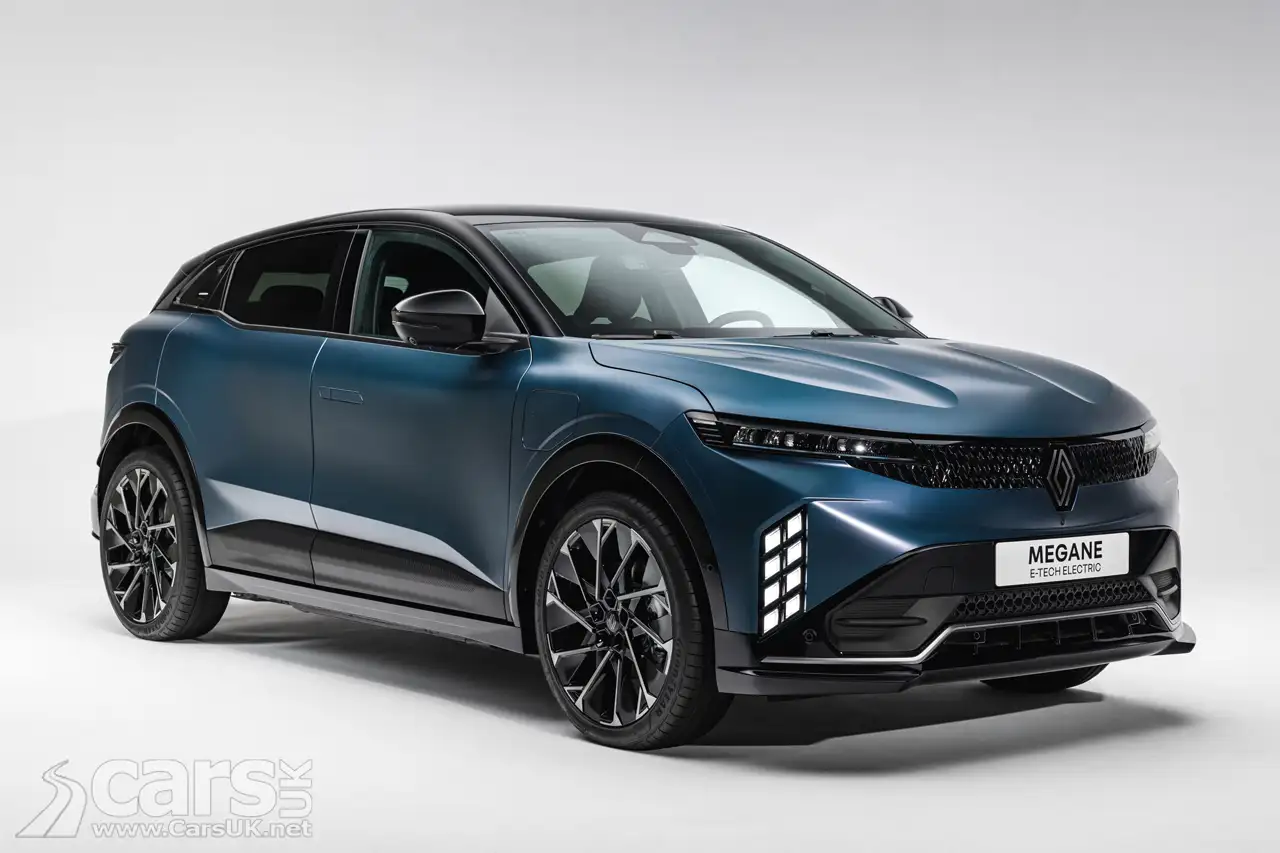
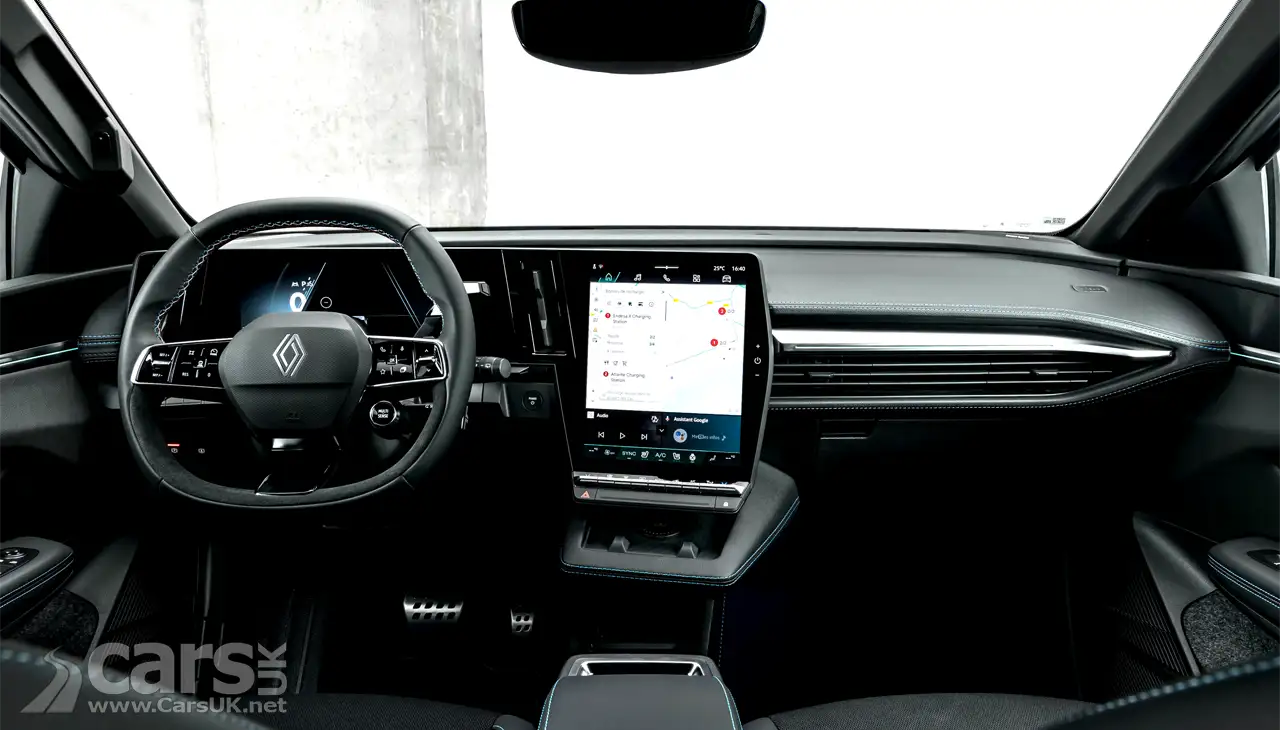
Alongside the battery, Renault has refreshed the exterior styling. Subtle changes to the front bumper, new wheel designs and updated lighting elements give the Megane E‑Tech a more contemporary look without straying from the design language that existing owners are familiar with. These visual updates aim to keep the car competitive against newer rivals that have entered the market over the past few years.
Why the update matters in today’s EV market
The electric‑vehicle landscape in the UK has become increasingly crowded. Models such as the Volkswagen ID.3 Neo, which launched after the Megane E‑Tech, are now direct competitors in the compact family segment. By expanding the battery capacity and refreshing the styling, Renault hopes to retain existing customers and attract new buyers who might otherwise look to rival marques.
Renault’s broader strategy also plays a part. The Megane E‑Tech was the flagship of the brand’s early EV commitment, predating a later shift towards retro‑inspired designs seen on other Renault models. This update signals that the company continues to invest in the Megane platform, rather than abandoning it in favour of newer, nostalgia‑driven vehicles.
How the update positions the Megane against the VW ID.3 Neo
While the VW ID.3 Neo boasts its own suite of modern technologies, the Megane’s larger battery could narrow the gap in practical range – a key factor for families and commuters. Additionally, the refreshed aesthetics give the Megane a more up‑to‑date appearance, which may sway buyers who value contemporary styling.
What this means for prospective buyers
For anyone researching a compact electric car in 2026, the updated Megane E‑Tech offers a blend of proven Renault engineering and a battery that promises longer journeys. It also reflects Renault’s commitment to evolve its early EV models rather than replace them outright.