Is the New Volkswagen ID. Cross the Best EV Alternative to the T‑Cross?
Explore the Volkswagen ID. Cross – price, batteries and power – and see how it stacks up against the Renault 4 and Ford Puma Gen‑E.
What Is the Volkswagen ID. Cross?
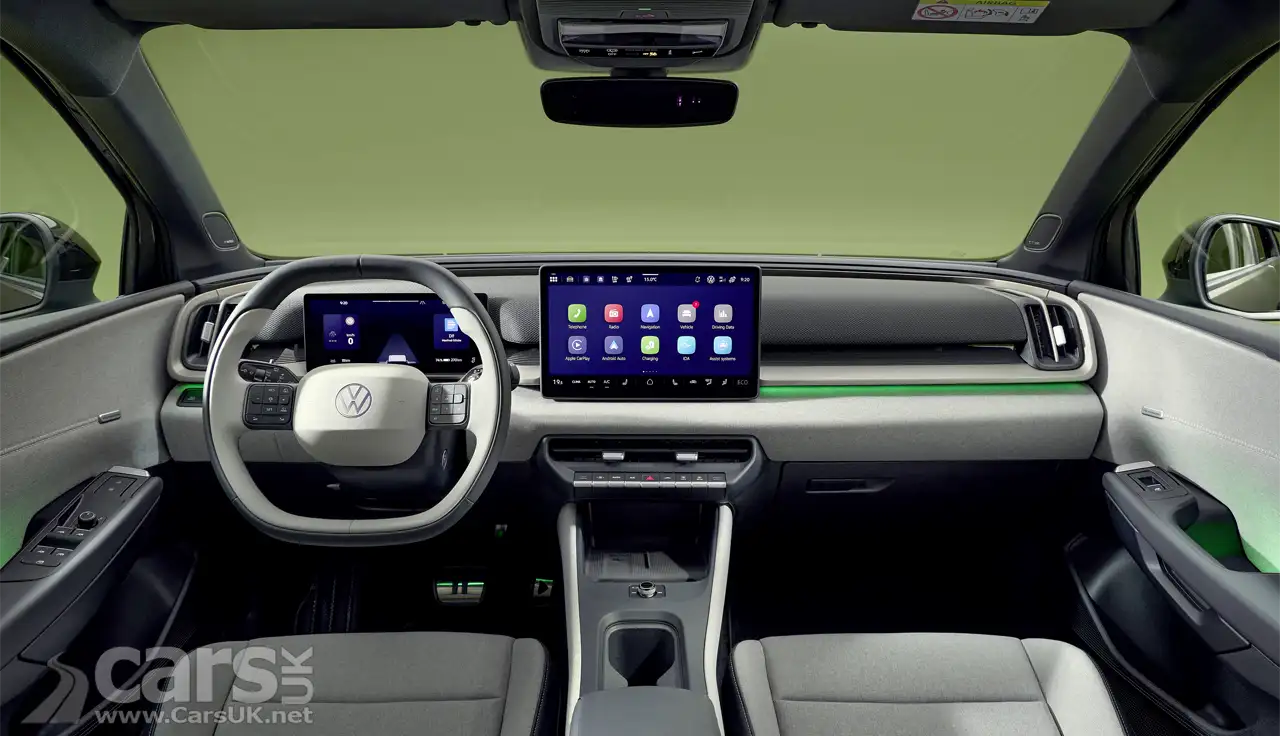
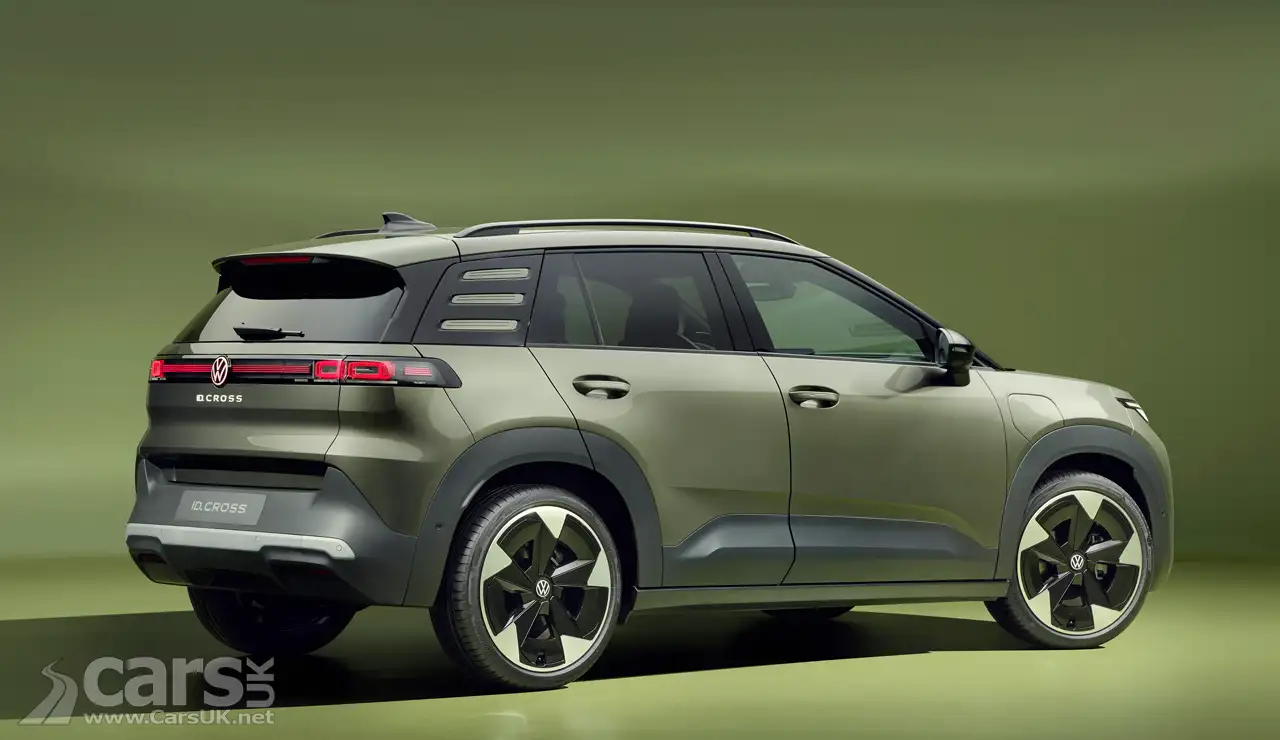
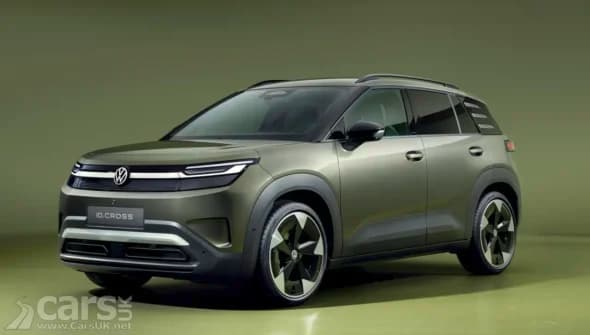
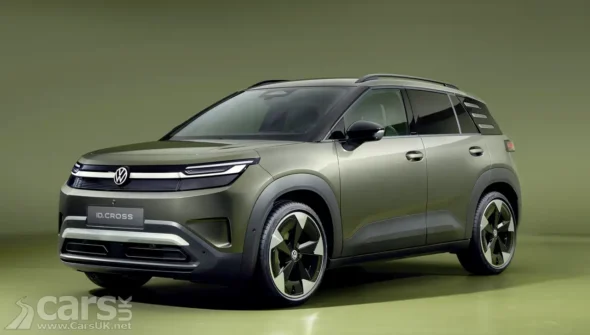
The Volkswagen ID. Cross is the electric‑driven counterpart to the popular VW T‑Cross SUV. Marketed as a practical city crossover, the ID. Cross carries the familiar VW styling but replaces the conventional engine with an all‑electric drivetrain.
Battery and Power Choices
Volkswagen equips the ID. Cross with two battery options, giving buyers flexibility on range and cost. The model is offered in three distinct power outputs, allowing drivers to choose between modest city‑centre performance and a more energetic feel for longer journeys. Exact specifications of the batteries and motor outputs are provided by the manufacturer, but the choice of three power levels ensures the model can cater to a broad spectrum of UK motorists.
Pricing and Positioning
Pricing for the ID. Cross starts at around £24,000, placing it competitively against other entry‑level electric crossovers. This price point positions the ID. Cross as a potential challenger to the Renault 4’s upcoming electric version and to Ford’s new Puma Gen‑E, both of which aim to capture the growing demand for affordable EVs in the compact SUV segment.
How Does the ID. Cross Fit Into Volkswagen’s EV Strategy?
Volkswagen’s push into electric mobility can be seen as a response to the fallout from the dieselgate scandal that emerged a decade ago. That episode tarnished the brand’s reputation and prompted a strategic shift toward zero‑emission vehicles. The ID. Cross reflects this renewed focus, expanding the ID family beyond the ID. 3 and ID. 4 to cover the popular small‑SUV niche.
Comparing the ID. Cross with the Renault 4 and Ford Puma Gen‑E
Potential buyers often ask, “Is the ID. Cross a better value than the Renault 4’s electric variant?” While both aim at a similar price band, the ID. Cross benefits from Volkswagen’s extensive EV platform and a heritage of solid build quality. Likewise, the question “Can the ID. Cross compete with the Ford Puma Gen‑E?” is common. The Puma Gen‑E targets the same market segment, offering Ford’s take on an electric crossover. The ID. Cross differentiates itself through its dual‑battery strategy and three power levels, giving customers a broader range of choices.
What Does This Mean for UK Buyers?
For UK car shoppers, the arrival of the ID. Cross adds another option to the increasingly crowded electric‑crossover market. With a starting price near £24,000, it sits within the range that many first‑time EV buyers consider affordable, especially when combined with UK government incentives for low‑emission vehicles.
Overall, the Volkswagen ID. Cross represents the brand’s continued commitment to electrification, offering a familiar SUV silhouette with the benefits of an electric powertrain. Whether it will surpass the Renault 4 and Ford Puma Gen‑E in sales will depend on how the market responds to the combination of price, battery choice and performance.
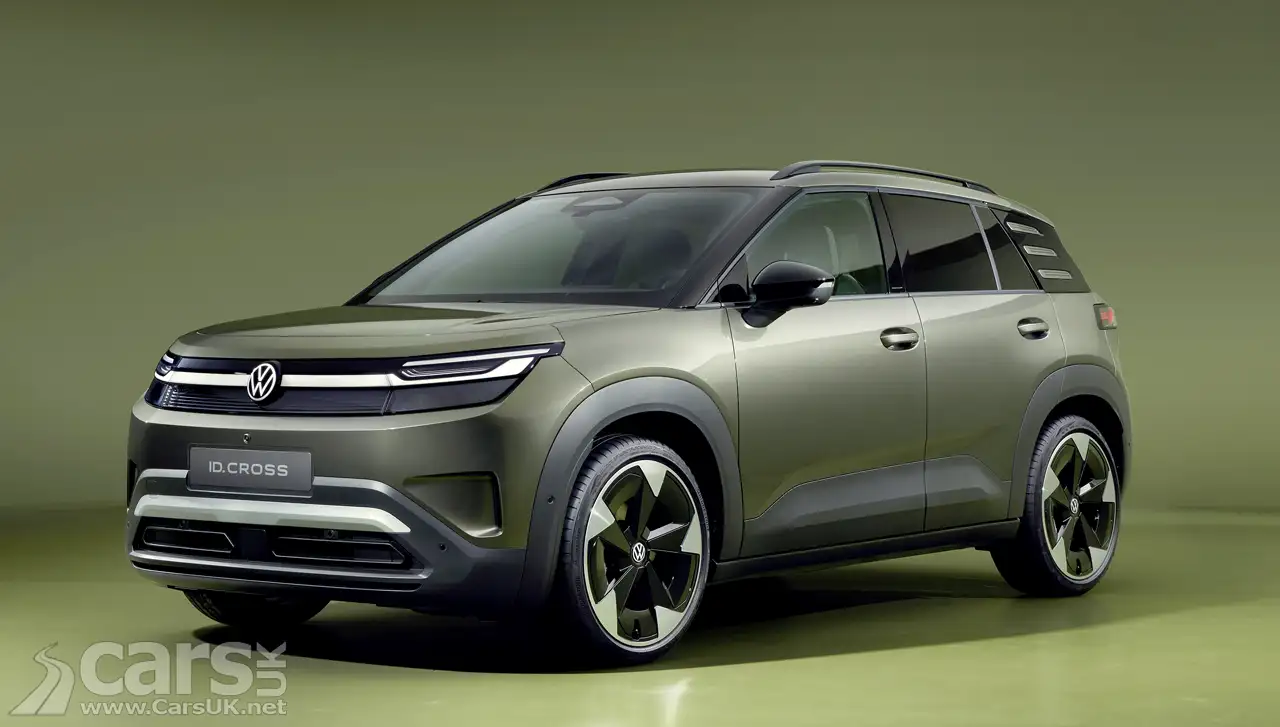
Key Takeaways
- EV version of the VW T‑Cross, targeting the compact SUV market.
- Two battery options and three power outputs give buyers flexibility.
- Starting price of around £24,000 makes it competitive against the Renault 4 electric model and Ford Puma Gen‑E.
- Part of Volkswagen’s post‑dieselgate strategy to rebuild credibility through electric vehicles.