Is a Used Audi Quattro (1980‑1991) Still Worth Buying?
Wondering if a classic Audi Quattro is right for you? Discover why it’s iconic and what to check before you buy.
Why the Audi Quattro is still iconic
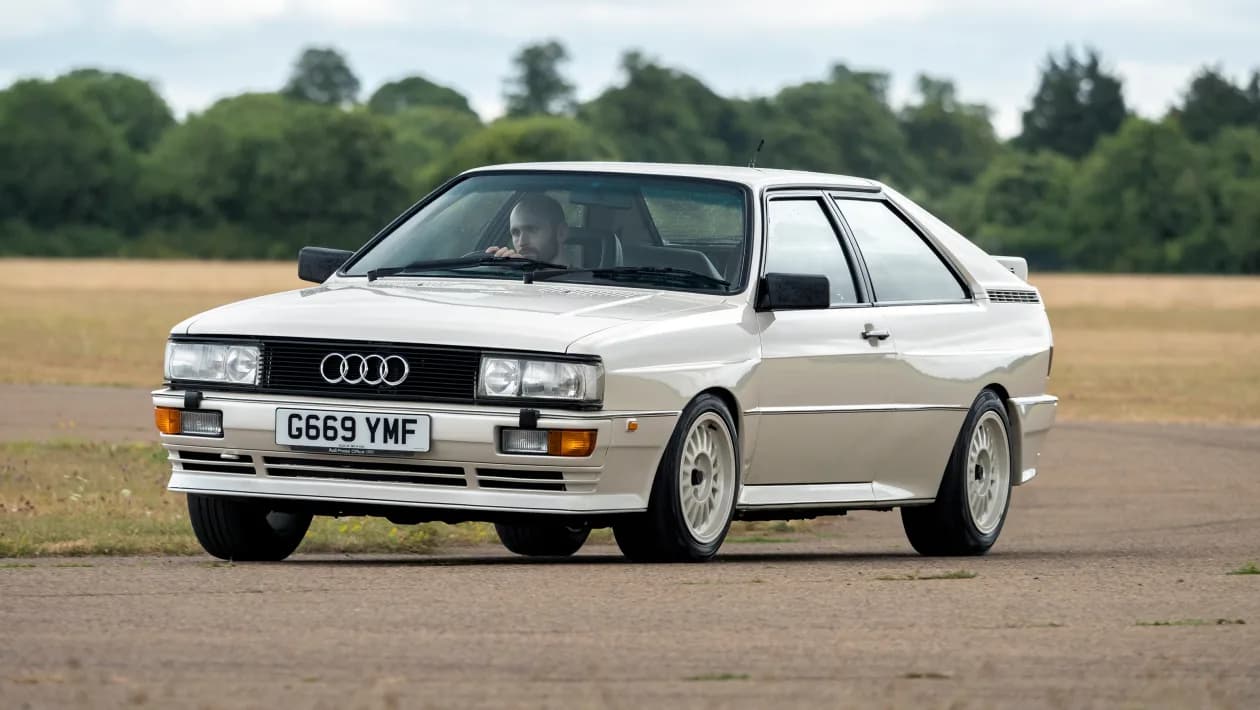
The Audi Quattro made headlines in 1980 when it demonstrated that four‑wheel drive could be more than a mud‑splatter solution. Instead of being limited to off‑road use, the Quattro proved the technology could deliver performance on the tarmac, changing the perception of all‑wheel drive forever. Its striking design and rally‑winning pedigree have cemented the Mk1 (produced from 1980 to 1991) as a historic coupe that continues to attract enthusiasts.
What makes the Mk1 Quattro a collector’s favourite?
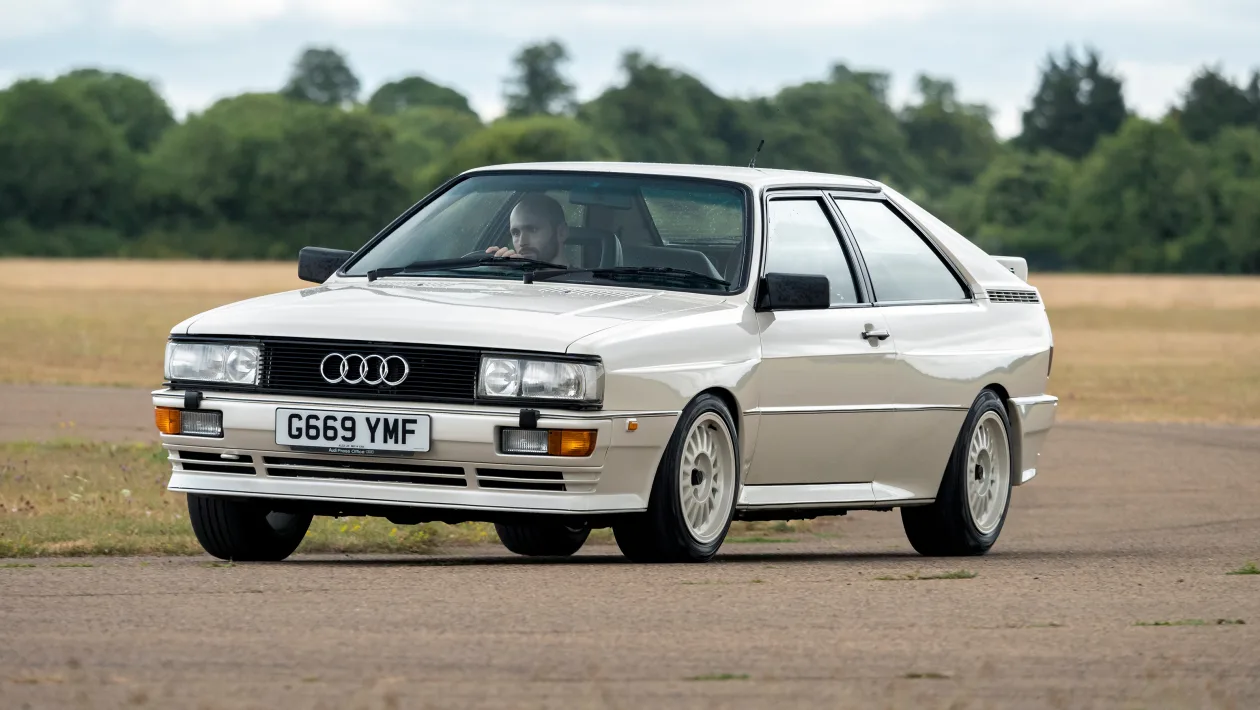
Built over a decade, the Mk1 Quattro combines a sleek, angular silhouette with a permanent four‑wheel‑drive system that was revolutionary at the time. The car’s reputation for handling precision and its status as a rally legend give it a lasting appeal that keeps demand steady in the classic market.
Performance heritage
When it first hit the roads, the Quattro showed that advanced drivetrain technology could be paired with everyday usability. This blend of performance and practicality is a core reason collectors still seek the model today.
Design relevance today
The boxy yet purposeful styling of the Mk1 still looks contemporary to many enthusiasts, and its distinctive front fascia is instantly recognisable as an Audi classic.

Key things to inspect when buying a used Quattro
Because the Quattro is now a classic, buying one requires careful consideration. Below are the main areas to evaluate before committing to a purchase.
Service history and documentation
A complete service record is essential. Look for evidence of regular oil changes, timing‑belt replacements and any work carried out on the quattro drivetrain. Documentation helps confirm that the car has been maintained according to Audi’s recommendations.
Bodywork and rust
Inspect the panels, wheel arches and under‑carriage for signs of corrosion. Vehicles from the 1980s are prone to rust, especially in the UK climate, so any extensive rust could affect structural integrity and future restoration costs.
Drivetrain condition
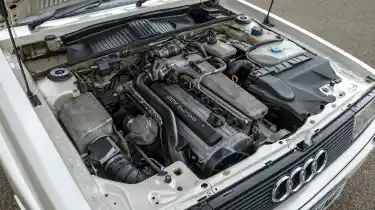
The permanent four‑wheel‑drive system is the heart of the Quattro’s appeal. Check for smooth operation, unusual noises or any leaks around the centre differential. A well‑maintained system will still deliver the predictable grip that made the original model famous.

Electrical components
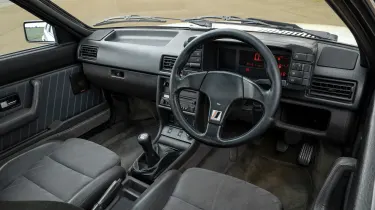
Age can affect wiring, switches and sensors. Verify that lights, gauges and the infotainment (if fitted) function correctly. Faulty electrical parts are often straightforward to replace but should be accounted for in the purchase price.
Why choosing carefully matters
While the Quattro remains an exciting classic, the market includes examples ranging from fully restored showpieces to cars that have seen limited upkeep. A hasty purchase could lead to unexpected restoration expenses or compromise the driving experience.
Choosing carefully means allocating time to a thorough inspection, possibly engaging a specialist who understands Audi’s four‑wheel‑drive architecture. This due diligence protects you from hidden issues and helps ensure that the car you acquire lives up to its legendary reputation.
Where to find a reliable example
Reputable classic‑car dealers, specialist auction houses and well‑known online platforms often list verified Audi Quattros. Look for listings that provide full photographs, service logs and, where possible, a pre‑sale inspection report.
Connecting with owners’ clubs or online enthusiast forums can also yield leads to cars that have been lovingly maintained by fellow fans.
Final thoughts
The Audi Quattro Mk1 (1980‑1991) remains a milestone in automotive history, celebrated for turning four‑wheel drive into a performance feature. It’s still a compelling choice for collectors, provided you approach the purchase with the same precision that the car itself was built to deliver.