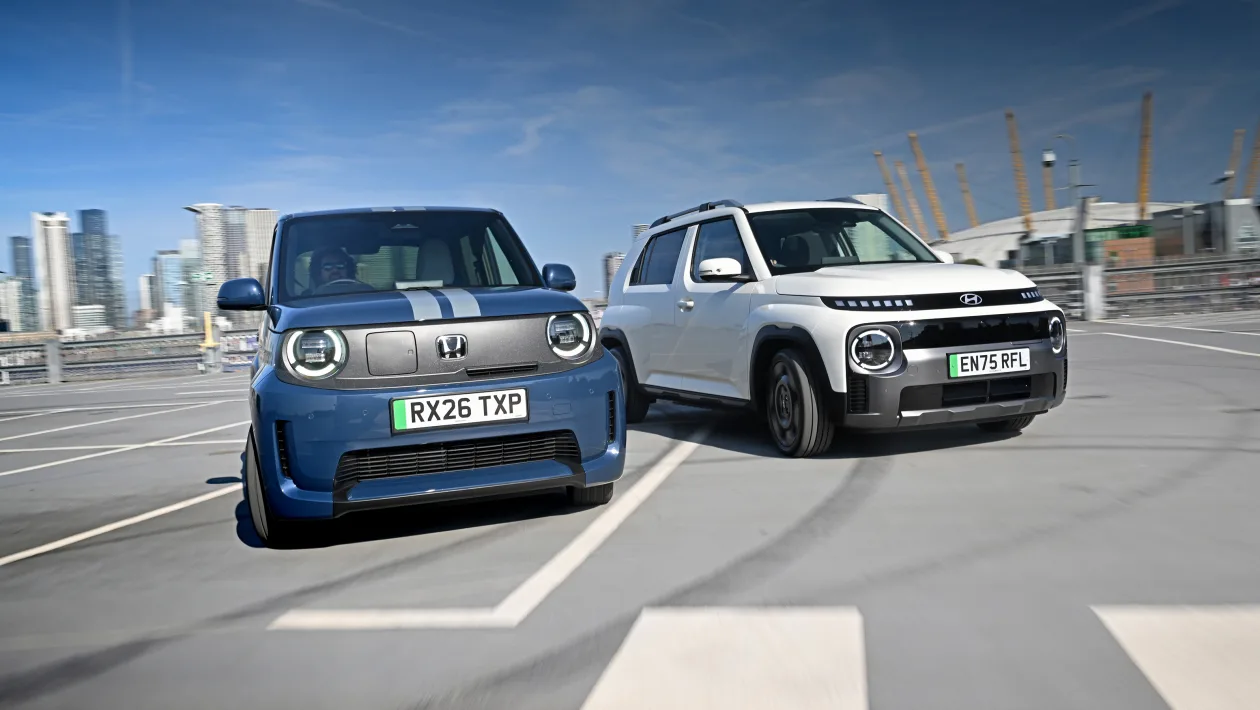
Hyundai Inster vs Honda Super‑N: Which EV city car suits UK drivers?
Is the Honda Super‑N a worthy rival to Hyundai's Inster? Compare UK-friendly specs, design and market positioning of these new electric city cars.
Introduction – Two fresh EV city cars on the UK market
Honda has launched the Super‑N, a quirky electric vehicle built on a kei‑car platform, while Hyundai has introduced the Inster, its own take on a compact city EV. Both models aim to address the growing demand for low‑emission, easy‑to‑park cars in densely populated urban areas across the United Kingdom.
Design language – Funky versus functional
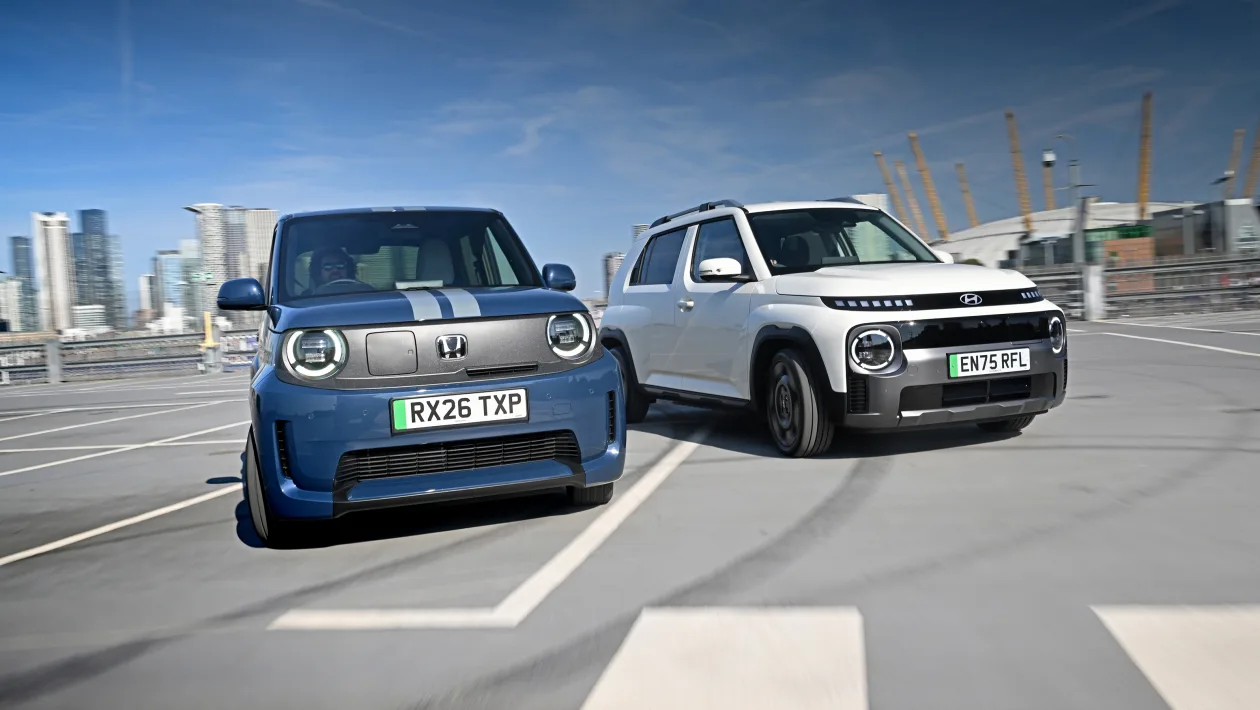
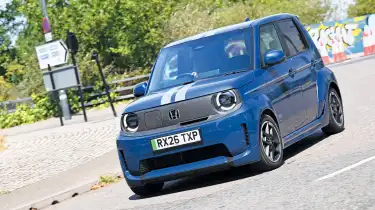
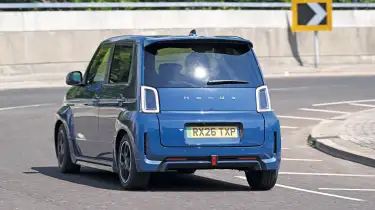
Honda Super‑N
The Super‑N adopts a distinct, playful aesthetic that sets it apart from conventional city cars. Its exterior styling combines bold colour options with round‑shaped headlights, creating a character‑driven identity that appeals to drivers who value personality as much as practicality.
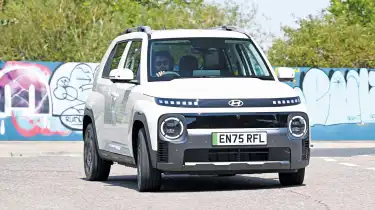
Hyundai Inster
Hyundai’s Inster follows a more streamlined approach, emphasising aerodynamic efficiency and a modern silhouette. The design language is consistent with Hyundai’s broader EV portfolio, offering a sleek front fascia and clean lines that suggest a focus on urban versatility.
Platform and dimensions – The kei‑car advantage
The Honda Super‑N is based on a Japanese kei‑car platform, a class of ultra‑compact vehicles that traditionally benefit from reduced registration fees and tax advantages in Japan. While the UK does not apply the same regulatory benefits, the compact dimensions inherited from the kei‑car ethos translate into a tight turning circle and easy manoeuvrability – traits highly prized by city‑dwelling motorists.
Hyundai’s Inster, meanwhile, is built on a dedicated urban‑EV platform designed by Hyundai. Though not derived from the kei‑car segment, the Inster’s footprint remains small enough to rival the Super‑N in terms of parking ease and navigation through narrow streets.
Powertrain – Pure electric, no compromise
Both the Super‑N and the Inster are fully electric, meaning they produce zero tailpipe emissions – an essential consideration for UK cities that are tightening low‑emission zones. The vehicles rely on battery packs calibrated for short‑range urban journeys, providing sufficient capacity for daily commutes and weekend outings without the need for frequent long‑distance charging.
While the original brief does not disclose specific range or performance figures, the shared focus on city‑centre use suggests comparable real‑world efficiency, especially when paired with the expanding public charging infrastructure across England, Scotland and Wales.
Market positioning – Who is each model aimed at?
Honda appears to target drivers who want an electric car with a distinctive visual identity. The Super‑N’s “funky” styling may attract younger buyers or those seeking a vehicle that stands out in crowded urban environments.
Hyundai, on the other hand, positions the Inster as a practical solution for everyday city travel. Its design and engineering lean towards a conventional, understated look that may appeal to professionals looking for a reliable, low‑maintenance EV.
Both manufacturers are responding to the UK’s push for cleaner transport, and their offerings provide alternatives for consumers deciding between personality‑driven design and functional simplicity.
Conclusion – Choosing the right EV city car for you
When deciding between the Hyundai Inster and the Honda Super‑N, UK drivers should weigh personal style preferences against the practicalities of city driving. The Super‑N delivers a bold, characterful presence built on a kei‑car foundation, while the Inster offers a sleek, purpose‑built urban EV experience. Ultimately, both models reflect the broader shift towards electric mobility in British towns and cities.