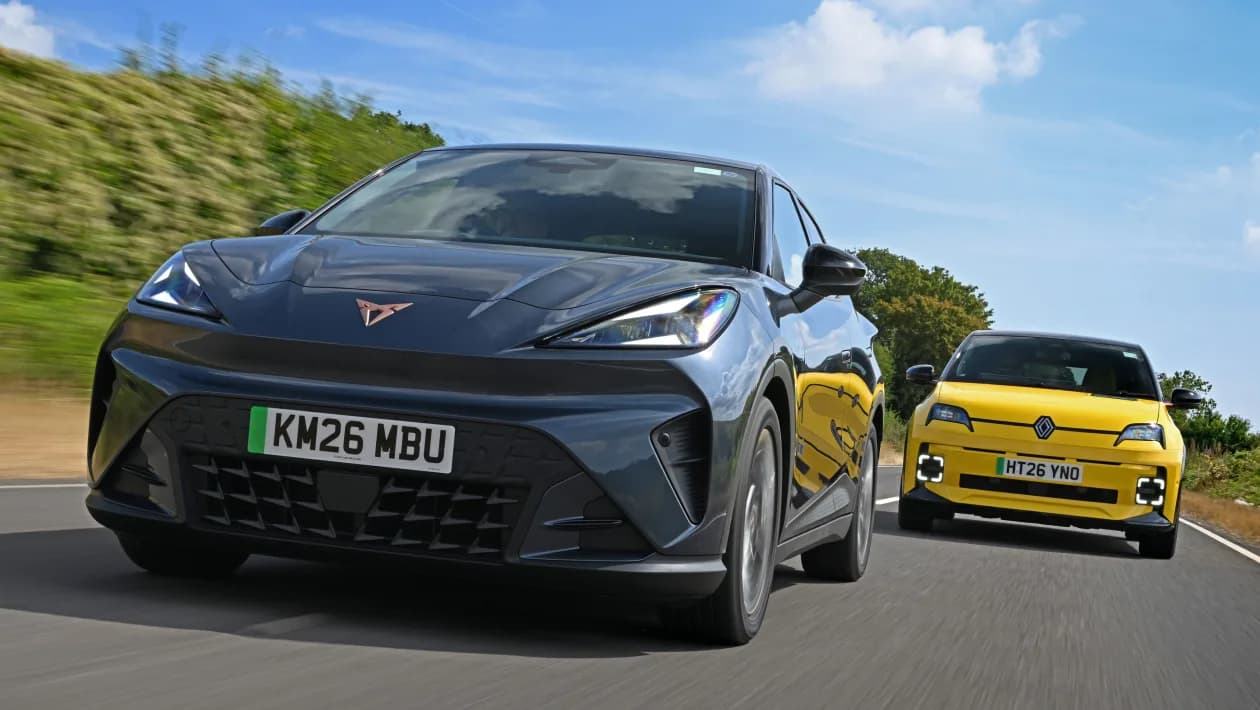
Cupra Raval vs Renault 5 electric supermini showdown
Cupra’s Raval arrives as VW Group’s first electric supermini, challenging Renault’s retro‑styled Renault 5, giving dealers a new EV option in the small‑car…
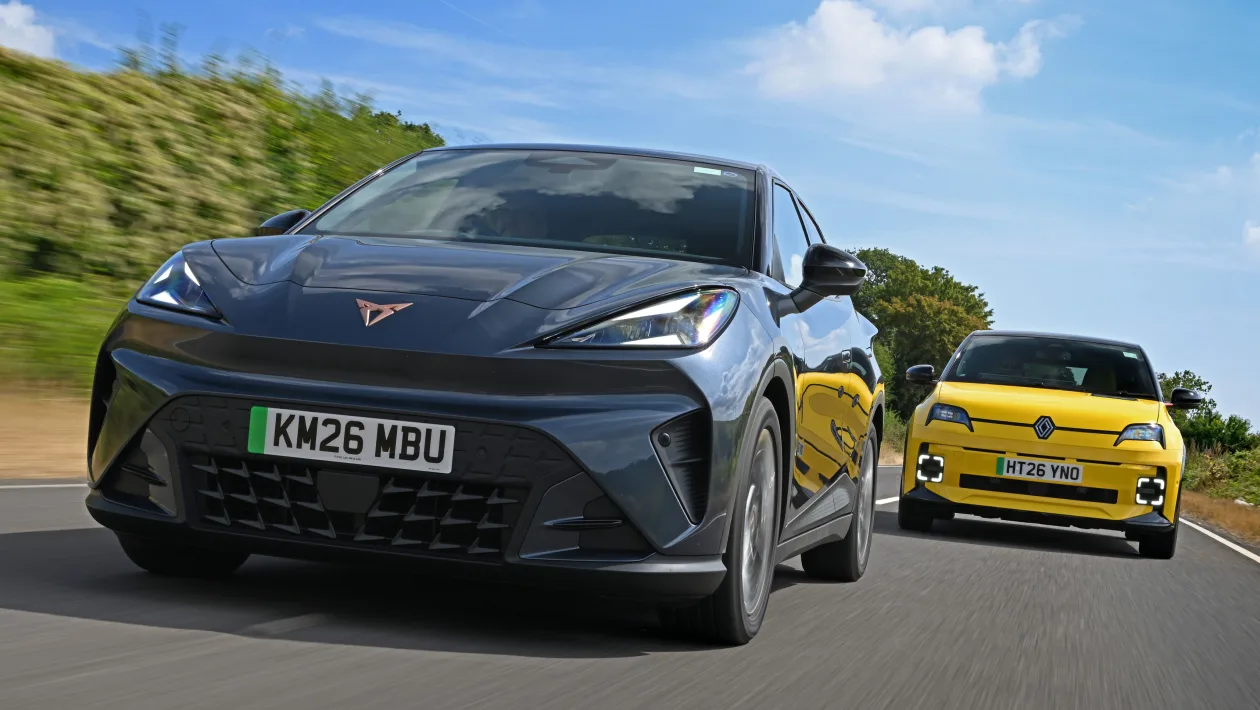
The Cupra Raval has launched as the Volkswagen Group's first electric supermini, entering the market against Renault's retro‑styled electric Renault 5. Both cars expand the EV supermini segment, giving UK dealers a fresh choice of sporty and heritage‑inspired models for price‑sensitive city buyers.
Key takeaways
- Cupra Raval is the VW Group's first electric supermini on sale.
- Renault 5 offers a retro‑themed electric supermini.
- Both models give dealers a new EV option in the small‑car market.
Cupra Raval overview
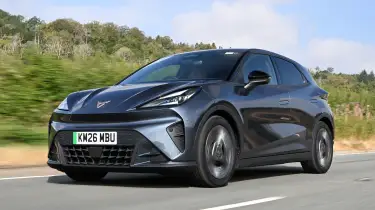
The Raval is positioned as a sporty EV, marking the first electric supermini released by the VW Group. Its launch signals the brand’s move into the compact electric market and joins a growing line‑up of VW Group EVs aimed at expanding the brand’s electric footprint.
The model’s design follows Cupra’s performance‑oriented language, targeting customers who want a dynamic driving experience in a small footprint. Features include a low centre of gravity and aggressive front styling, consistent with Cupra’s performance ethos.
Renault 5 overview
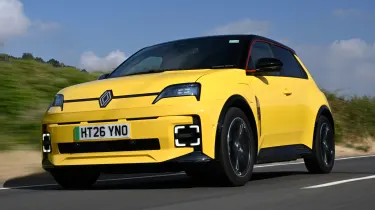
Renault’s electric 5 revives the classic 5 nameplate with a retro‑themed aesthetic, offering a nostalgic look combined with zero‑emission propulsion. The retro cues reference the original 1970s Renault 5, updated with modern electric drivetrain technology.
The vehicle is aimed at buyers who value heritage styling while seeking a low‑cost urban EV solution. Pricing is targeted at the entry‑level EV segment, making it an accessible option for city commuters.
Direct comparison
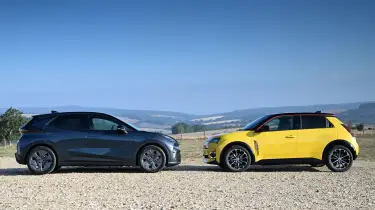
Both cars sit in the sub‑compact electric segment, sharing similar size and city‑focus but differing in visual language – sport‑forward versus retro‑styled. Both offer comparable electric ranges suitable for daily urban journeys, though specific figures have not been disclosed.
Dealers will need to assess which aesthetic aligns with their local market, as the Raval appeals to performance‑oriented shoppers and the Renault 5 to those drawn by classic design cues. Dealers should evaluate local demand for sport‑oriented versus heritage‑styled EVs when allocating floor‑space.
What this means for dealers
The introduction of two distinct EV superminis expands the product mix available to UK dealers, allowing broader coverage of the growing demand for affordable electric city cars. The supermini EV market is expected to grow as city congestion charges tighten, increasing the relevance of zero‑emission vehicles.
Stocking both models can help retailers cater to varied customer tastes, potentially increasing footfall and enabling cross‑selling of related EV services such as home‑charging installations. Providing supporting services such as battery warranties and charging solutions can further differentiate a dealership’s offering.
Frequently asked questions
What are the main design differences between the Cupra Raval and Renault 5?
The Raval follows a sporty, performance‑oriented design language with aggressive front styling, whereas the Renault 5 adopts a retro‑styled aesthetic that recalls its 1970s predecessor, offering a nostalgic visual appeal.
Are both models fully electric and suitable for city driving?
Both the Cupra Raval and Renault 5 are fully electric superminis built for urban use, providing zero‑emission motoring and compact dimensions that suit congested city environments.
How can dealers position these superminis to maximise sales?
Dealers can highlight the Raval’s sport‑focused attributes to attract performance‑oriented buyers, while promoting the Renault 5’s heritage styling to appeal to customers seeking a classic look in an electric package.
This article summarises reporting first published by Auto Express.