Citygate Automotive records £4.23m loss despite sales rise

Citygate Automotive's 2025 operating loss grew to £4.23 million, as higher vehicle sales were offset by rising costs and tighter margins.
Citygate Automotive, part of the AM100 dealer network, reported an operating loss of £4.23 million for the 2025 financial year. Despite an increase in vehicle sales, higher operating costs and squeezed margins led to the loss widening, a development that signals pressure on dealer profitability.
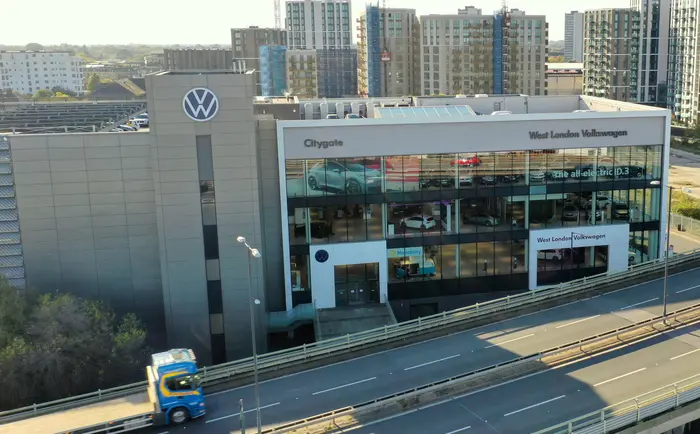
Key takeaways
- Citygate Automotive's 2025 operating loss rose to £4.23 million.
- Vehicle sales increased compared with the previous year.
- Rising operating costs outweighed sales growth.
- Margin compression contributed to the widened loss.
Operating loss expands in 2025
The group’s accounts show a loss of £4.23 million for 2025, compared with a smaller deficit in 2024. The figure was disclosed in the latest financial statement, which highlighted that the loss widening resulted from a combination of higher out‑goings and tighter margins despite the sales uplift.
According to AM Online - Latest News, the loss increase signals that cost pressures are outpacing the benefits of higher volumes. The report did not break down specific expense categories, but noted that the overall cost base had risen sharply enough to erode profitability.
Higher vehicle sales not enough to offset costs
Vehicle registrations for Citygate Automotive rose during 2025, indicating a successful sales effort across its showroom network. However, the additional revenue proved insufficient to cover the climb in operating expenditures, resulting in a net loss. This pattern mirrors a broader trend where dealers achieve volume growth but struggle to maintain margins.
The discrepancy highlights the importance of managing cost structures alongside sales initiatives. While the sales rise is a positive signal for inventory turnover, dealers must also focus on controlling expenses such as staffing, vehicle reconditioning and marketing to protect profitability.
Rising costs and margin pressure explained
Industry analysts attribute the cost increase to several factors, including higher labour rates, inflation‑driven parts prices and increased spend on digital retail platforms. These elements collectively raise the per‑vehicle cost base, compressing the gross margin that dealers earn on each sale.
AM Online - Latest News notes that margin pressure is intensifying as manufacturers tighten pricing policies and introduce more promotional incentives. The resulting lower dealer margins mean that even with higher sales volumes, the net contribution to profit can fall.
Impact on dealer group strategy
The widened loss may prompt Citygate Automotive to reassess its operational model, potentially focusing on cost‑efficiency programmes, renegotiating supplier terms, or streamlining its showroom footprint. Such measures aim to restore profitability while maintaining the sales momentum observed in 2025.
Dealers within the group might also explore higher‑margin product lines, such as certified pre‑owned vehicles or service contracts, to offset the squeeze on new‑car margins. Diversifying revenue streams can provide a buffer against future cost escalations and market volatility.
What this means for dealers
For UK dealers, Citygate Automotive's results serve as a cautionary tale that sales growth alone does not guarantee profit. Rising overheads and tighter margins can quickly erode earnings, urging operators to monitor cost drivers closely and implement efficiency initiatives before losses widen further.
Dealers should also consider expanding higher‑margin services such as financing, after‑sales care and certified used‑car programmes. By diversifying income sources, they can mitigate the impact of cost inflation and protect overall profitability, a strategy increasingly relevant across the UK automotive retail sector.
Frequently asked questions
Why did Citygate Automotive's operating loss increase despite higher sales?
The 2025 accounts show that while vehicle sales rose, the group's operating expenses grew faster and gross margins fell. Higher labour, parts and marketing costs, together with tighter manufacturer pricing, reduced the profit earned per vehicle, leading to an overall loss of £4.23 million.
What steps can dealers take to protect profitability in a similar cost‑inflation environment?
Dealers can focus on cost‑efficiency programmes, renegotiate supplier contracts, and streamline showroom footprints. Adding higher‑margin services such as certified pre‑owned sales, finance and maintenance contracts can diversify revenue. Monitoring margin trends and adjusting pricing strategies with manufacturers also helps offset rising input costs and protects bottom‑line performance.
This article summarises reporting first published by AM Online.