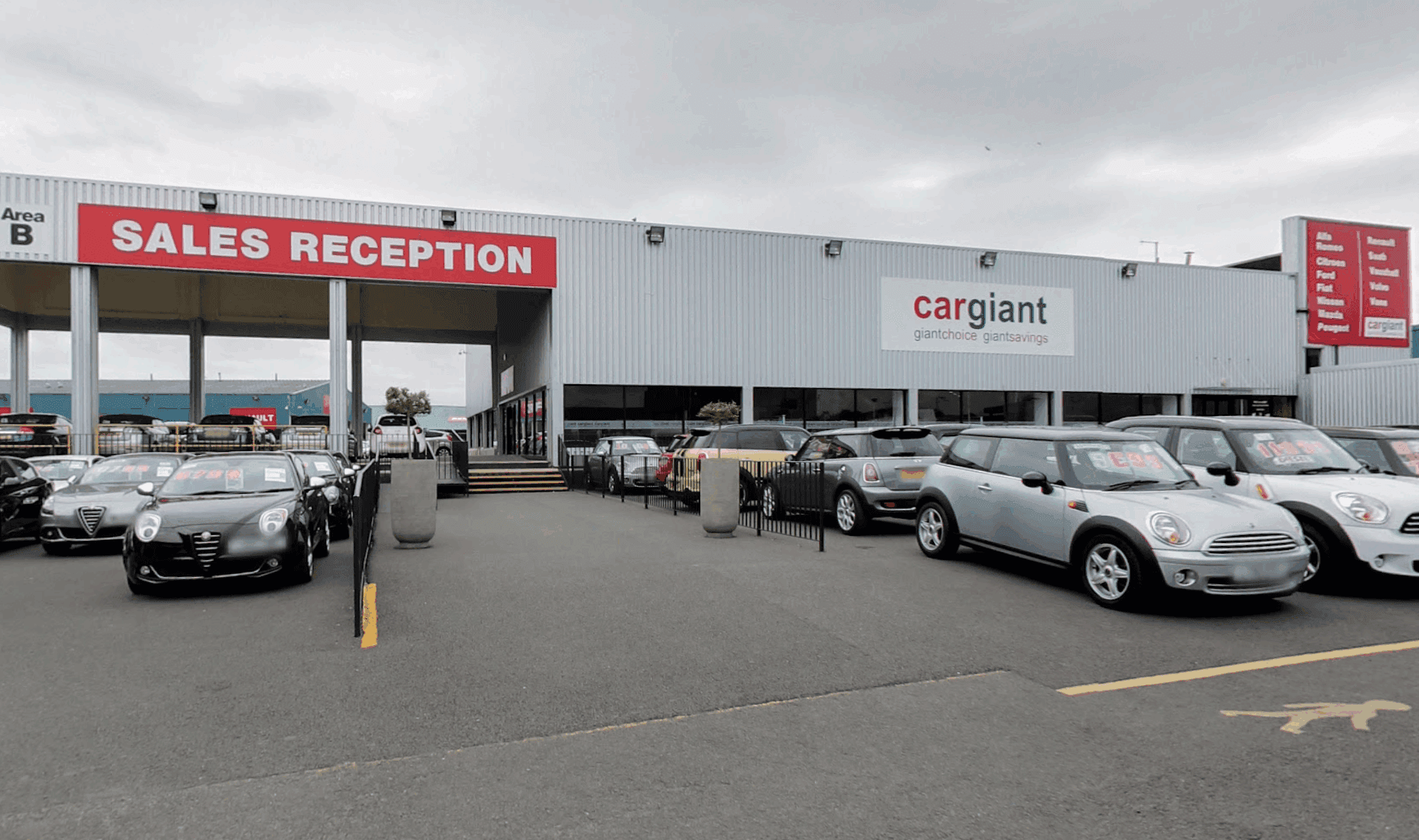
Cargiant shuts after £4.1m loss
Cargiant, the UK’s largest independent used‑car supermarket, announced its closure after a £4.1m pre‑tax loss in 2025, underscoring the impact of falling…
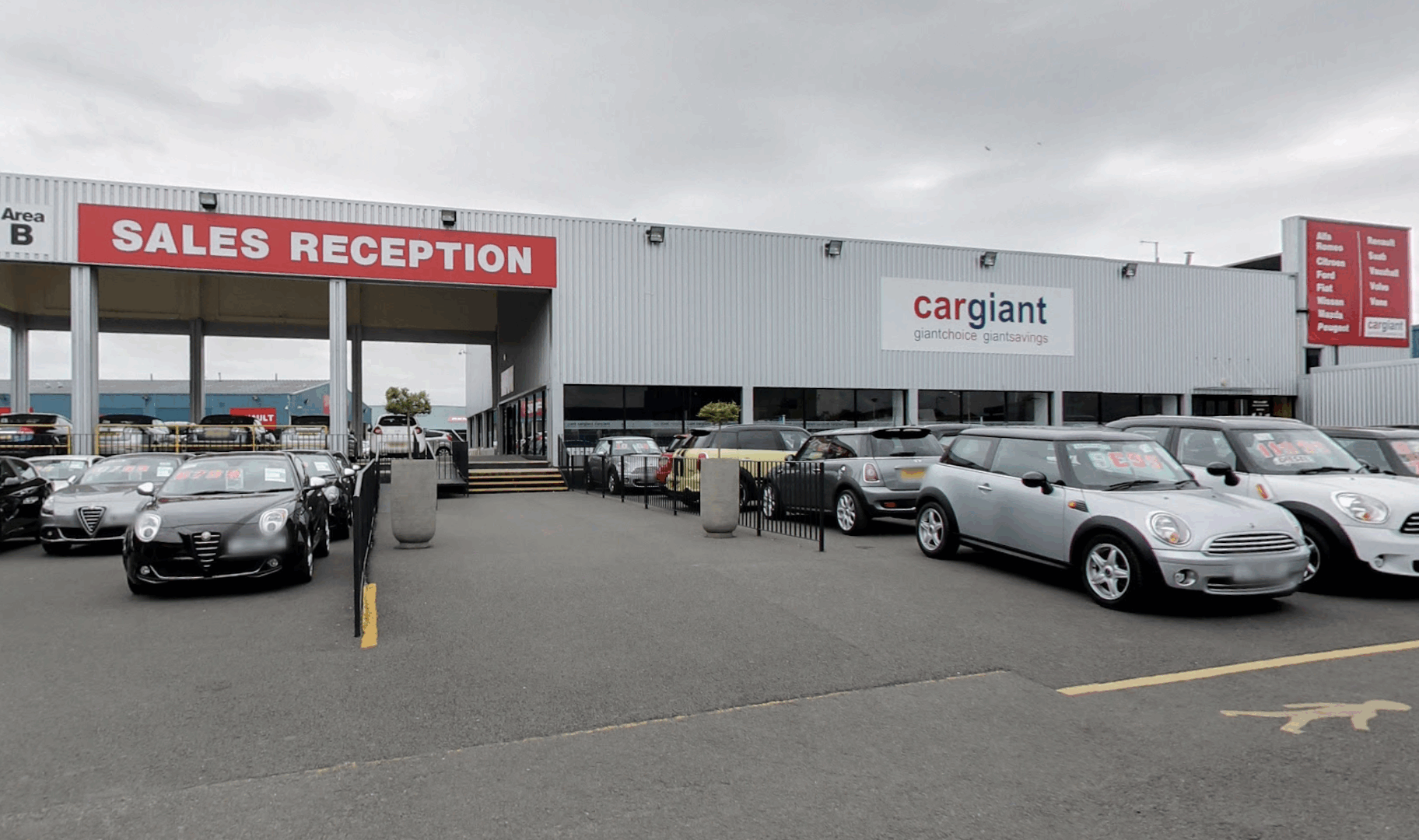
Cargiant, the UK’s largest independent used‑car supermarket, announced the orderly wind‑down of its Park Royal dealership on 24 April 2026 after reporting a £4.1 million pre‑tax loss for 2025, following a steep drop in unit sales. The closure highlights the risks of high fixed costs in a weakening market for dealers.
Key takeaways
- Cargiant posted a £4.1m pre‑tax loss in 2025 after a £121.2m profit in 2024.
- Used‑car unit sales fell 33% to 17,420 vehicles in 2025.
- Operating margin turned negative, moving from 6.5% to ‑1.8% in one year.
- Redundancy costs of £4.05m were incurred, with most already paid.
Financial performance
The 2025 accounts show a sharp swing from a £121.2m pre‑tax profit in 2024 to a £4.1m loss, driven by a 33% fall in vehicle volumes – from 25,900 units to 17,420 units. Operating margin slipped from 6.5% to –1.8%, exposing the fragility of the cost structure.
The 2024 profit was heavily supported by a £98.8m revaluation gain on Cargiant’s extensive property portfolio, a non‑operational boost that could not offset the sales decline the following year.
Cost base and property restructuring
Directors explained that the property, staffing and operational cost base had been built for much higher sales volumes. With sales falling, the fixed overheads eroded profitability and left the business unsustainable.
In November 2024 the business premises were transferred to parent NW London Commercial Limited, and a further £79.3m revaluation raised the group’s freehold land and buildings to £204.3m at year‑end 2025, after an earlier £525m property distribution.
Decision to cease trading
Board statements said trading conditions remained challenging and a commercially viable model could not be identified despite reviewing footprint, staffing and buying strategy. Consequently, Car Giant Limited ceased retail trading on 24 April 2026 and began an orderly wind‑down.
Remaining stock is being sold under the managed wind‑down, and after‑sales and customer support will be maintained for an appropriate period to meet existing commitments.
Staff impact and turnover
Average headcount fell from 483 employees in 2024 to 333 in 2025. The redundancy programme is expected to cost £4.05m, of which £3.53m had been paid by the end of September 2025.
Turnover dropped from £352.5m in 2024 to £223.8m in 2025, reflecting the reduced unit sales and lower margins.
What this means for dealers
The Cargiant case underlines the danger of a cost base calibrated to peak volumes in a market that can contract rapidly. Dealers with large premises and staffing levels must ensure flexibility to adjust to demand swings.
It also demonstrates that property revaluation gains are non‑recurring and cannot replace sustainable operating profit. Managing inventory, staffing and overhead in line with realistic sales forecasts is essential to protect margins.
Frequently asked questions
Why did Cargiant’s profit collapse despite a large property revaluation in 2024?
The £98.8m revaluation gain boosted 2024 profit, but it was a one‑off accounting entry unrelated to trading performance. When sales fell by a third in 2025, the high fixed costs of the 50‑acre site and staffing outweighed any residual property benefit, turning profit into a loss.
What does Cargiant’s closure indicate for other large used‑car supermarkets?
It signals that scale alone does not guarantee resilience. Large dealers must align overheads with market demand and retain flexibility in sourcing and staffing. Reliance on non‑operational income such as property revaluation is insufficient to offset a sustained sales downturn.
How will the redundancy programme affect the local dealer workforce?
The programme will reduce Cargiant’s headcount by roughly 150 roles, representing a significant loss of experience in the West London area. Competing dealers may absorb some talent, but the immediate impact will be a contraction in specialised used‑car sales and support staff locally.
This article summarises reporting first published by Car Dealer Magazine.