BYD profit surge powered by UK sales and global expansion
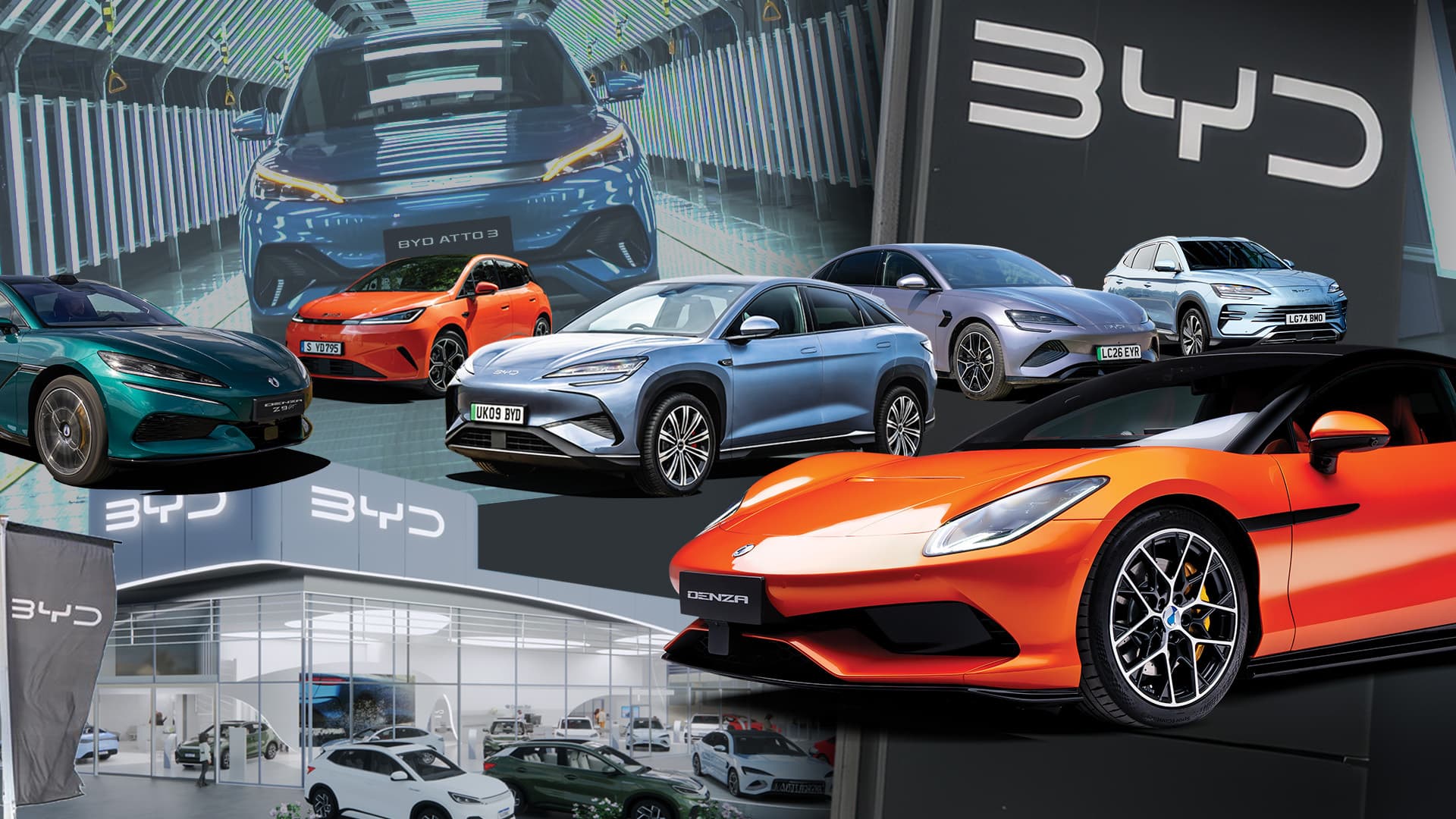
BYD’s Q3 2026 net profit rose 28% to £1.1bn as overseas sales, especially in the UK, drive growth despite slowing demand in China.
Chinese EV maker BYD posted a 28% rise in third‑quarter 2026 net profit to 10.02bn yuan (£1.1bn) as overseas sales surged, with its UK operation playing a key role in the turnaround despite a weakening domestic market and intense competition from rivals such as Geely and Leapmotor.
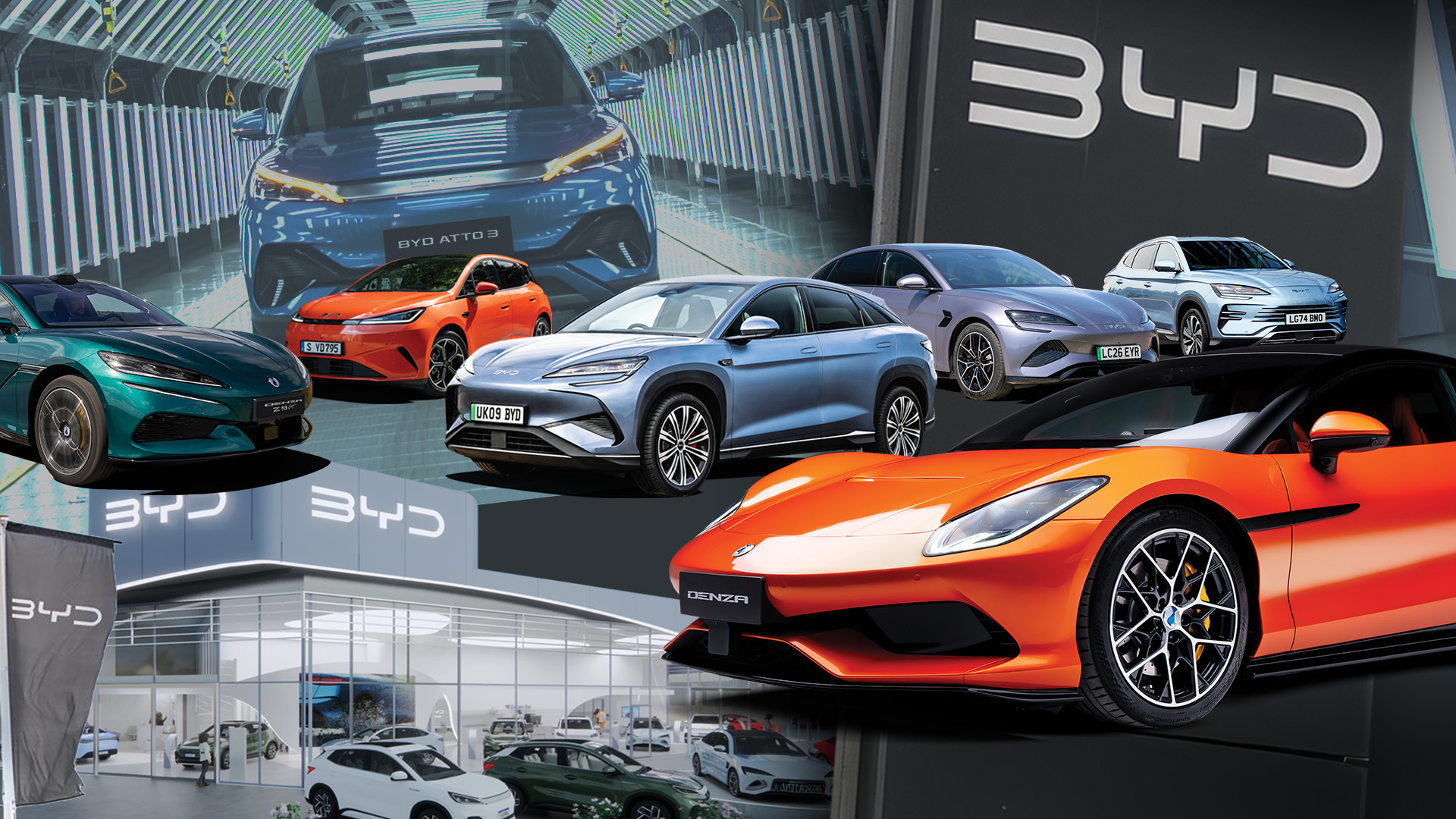
Key takeaways
- Q3 net profit rose 28% to 10.02bn yuan, beating four quarters of decline.
- UK registrations jumped 80% year‑on‑year to 20,140, giving BYD 5.76% market share.
- Overseas sales more than doubled to 550,704 vehicles, 42% of total deliveries.
- Inventories increased 60% as the group expands its global dealer network.
Global profit and sales growth
For the three months to 30 September 2026 BYD reported net profit of 10.02bn yuan (£1.1bn), a 28% increase from the previous quarter. Revenue rose 13.6% to 221.49bn yuan (£24.8bn), ending a streak of four consecutive quarters of falling sales.
Globally the company delivered more than 1.3 million vehicles in Q3, up almost 19% year‑on‑year. Overseas deliveries more than doubled to 550,704 units, representing roughly 42% of total sales and underscoring the importance of its expanding international dealer network.
UK market surge
In September 2026 BYD UK recorded 20,140 registrations, an 80% increase on the same month a year earlier, giving the brand a 5.76% share of new‑car registrations and making it the second‑largest manufacturer by volume.
The UK network now covers 147 dealer sites and has added new electric and plug‑in hybrid models. The Seal U DM‑i remains the top seller, supported by the Atto 2 and Sealion 7, while 0% APR finance deals are being offered on selected models to win customers from established rivals.
Inventory and financial impacts
By the end of September, BYD’s inventory balance rose 60% year‑on‑year to 221.58bn yuan (£24.8bn). Asset impairment losses for the first nine months reached 2.71bn yuan (£304m), up almost 68%, reflecting the larger stock of unsold vehicles.
Trade receivables jumped 53% to 56.47bn yuan (£6.3bn), which the company attributes largely to its expanding overseas sales. The figures highlight the scale of BYD’s investment in international markets as domestic demand weakens.
What this means for dealers
Dealers can expect continued pressure to stock BYD models as the brand gains market share, particularly in the electric segment. Competitive finance terms such as 0% APR may force other manufacturers to match offers, while the rapid inventory build‑up signals a need for careful floor‑plan management to avoid excess stock.
Frequently asked questions
How significant is BYD’s UK market share compared with other manufacturers?
With 20,140 registrations in September 2026 BYD held a 5.76% share of new‑car sales in the UK, making it the second‑largest brand by volume that month. The rapid rise follows its 2023 market entry and shows the brand is now competing closely with established manufacturers for buyer attention.
What risks do the rising inventory levels pose for BYD dealers?
The 60% jump in inventory to £24.8 bn indicates a larger pool of unsold vehicles, which can tie up dealer cash and increase floor‑plan costs. If demand softens, dealers may face discounting pressure and longer stock turnover, making careful inventory planning essential.
How might BYD’s 0% APR finance offers affect competition in the UK?
Zero‑percent APR deals on selected BYD models create an attractive price point for consumers, forcing rival brands to consider similar promotions to retain sales. Dealers may need to negotiate tighter procurement terms or rely on higher‑margin accessories to protect profitability while competing on financing.
This article summarises reporting first published by Car Dealer Magazine.