Are MOT Fees Due for a Rise? Independent Garages Call for a New Price
Independent garages say the £54.85 MOT cap is unsustainable and push for a rise to £80‑£100. Discover why the price hasn’t moved since 2010.
MOT testing has become an ‘unsustainable loss leader’ for many independent garages, who say they could stop offering the service unless the fee rises.
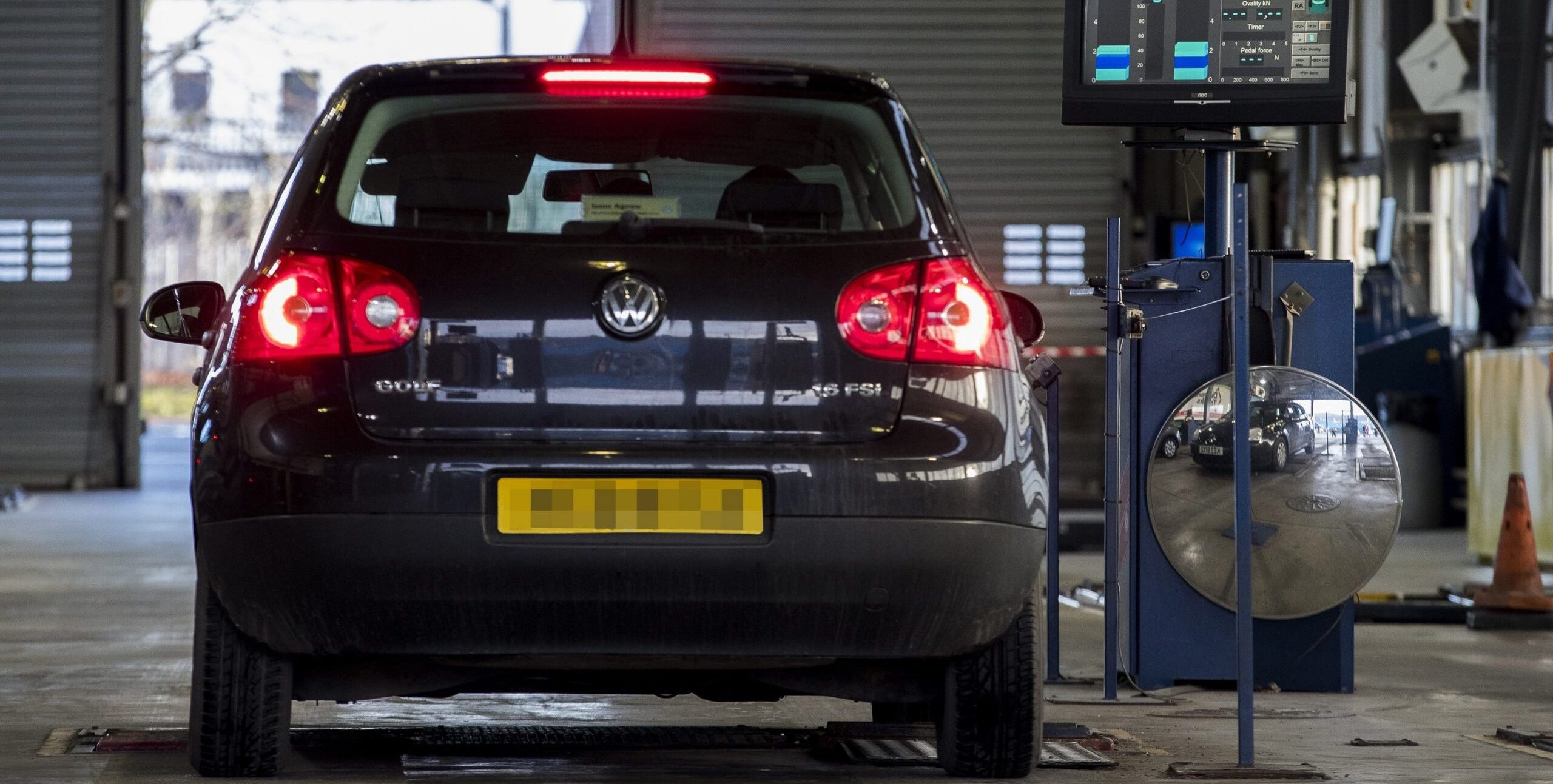
Garage owners across the UK are telling Car Dealer that the economics of carrying out a standard MOT on a class 4 vehicle have become increasingly difficult. The Independent Garage Association (IGA) is campaigning for a mandatory increase to the current fee cap of £54.85, which has remained unchanged since 2010.
Why the current MOT fee is seen as a loss leader
The IGA argues that the flat fee no longer reflects the true cost of delivering a compliant MOT. Independent workshops must absorb a growing list of expenses, including higher labour rates, rent, fuel, energy, administrative overheads and mandatory staff training. In addition, specialised equipment such as brake‑roller testers and emissions analyzers requires regular calibration and eventual replacement.
Umesh Samani, owner of Harris Motor Company in Stoke, explains that recent investment in a new brake‑roller tester cost around £11,000 + VAT. At the present maximum charge of £54.85, more than 200 MOTs would be required simply to recoup the purchase price before any other operating costs are covered.
Rising overheads put pressure on independent garages
Other garage operators echo Samani’s concerns. Theo Cook, who runs Bowen’s Garage in Ross‑on‑Wye, highlights that six‑monthly equipment calibration, annual MOT‑tester training, emissions‑testing equipment and the need to capture photographic evidence have all added to the cost base. Cook notes that the typical wage cost of an MOT is around £38, but this figure excludes the recurring calibration fees and the shift from five‑yearly to annual tester training.
Both owners point out that electricity, rent and general overheads have risen across the board, making the £54.85 ceiling appear increasingly out‑of‑step with reality.
What price increase are garage owners proposing?
If the fee had kept pace with inflation, an MOT would now cost approximately £91.50. The IGA has therefore called for the cap to be lifted to at least £95. Cook supports a figure in the £95‑£100 range, describing a flat rate of £100 as “more realistic”.
Samani takes a more conservative stance, suggesting a fee of £75‑£80 would still represent “very good value” for motorists while narrowing the gap between cost and revenue. He believes a charge of around £80 would bring the price closer to the actual expense of providing the service.
Other members of the Independent Motor Dealers Association (IMDA) also back a rise, though opinions vary. Leigh McAvoy of LM Motor Company recommends an £80 ceiling, while some colleagues argue that MOTs have traditionally functioned as a loss leader and propose a modest £65 cap.
Potential impact if the fee remains unchanged
Cook warns that continued pressure could force some garages to abandon MOT testing altogether. “If it went another 18 months, two years without any change, I would seriously consider packing in MOTs,” he says.
Samani echoes the sentiment, stating that he would not set up a new MOT station under the current fee structure, describing such a decision as “absolutely bonkers” in today’s climate.
Should the government decide against raising the cap, smaller independent workshops risk losing a key source of footfall and could see a decline in ancillary service revenue that traditionally follows an MOT visit.
What the industry can expect next
The IGA has secured a meeting with government officials to discuss the MOT price demands. The outcome of these talks could set a precedent for how regulatory fees are aligned with the genuine cost of compliance in the automotive sector.
For dealers and motorists alike, the debate centres on balancing affordable MOT access with a sustainable business model for the garages that keep UK roads safe.