Are Illegal ‘Pop‑and‑Bang’ Modifications Worth the £1,600 Fine? DVSA Crackdown Explained
A garage fined £1,600 for illegal pop‑and‑bang mods. Learn the penalties, DVSA enforcement and why removing a catalytic converter is illegal.
Overview of the case
A Taplow‑based garage, SVG Motorsport Ltd trading as SVG Performance, has been ordered to pay a total of £1,600 after an undercover investigation proved it carried out illegal vehicle modifications designed to make the exhaust louder.
Background of the undercover probe
The Driver and Vehicle Standards Agency (DVSA), working with Thames Valley Police, sent undercover agents to the workshop posing as customers. The agents sought a louder “pop‑and‑bang” sound – a modification trend that has drawn increasing regulatory scrutiny.
What modifications were performed?
According to reports in the Slough Observer and Slough Express, SVG Motorsport removed the vehicle’s catalytic converter and remapped the engine control unit (ECU). The removal of the converter and the ECU remap were intended to produce a distinctive “pop and bang” noise from the exhaust.
Crucially, the garage failed to advise the undercover customers that these alterations would invalidate the vehicle’s MOT test and render the car illegal to use on public roads.
Legal outcome at Reading Magistrates’ Court
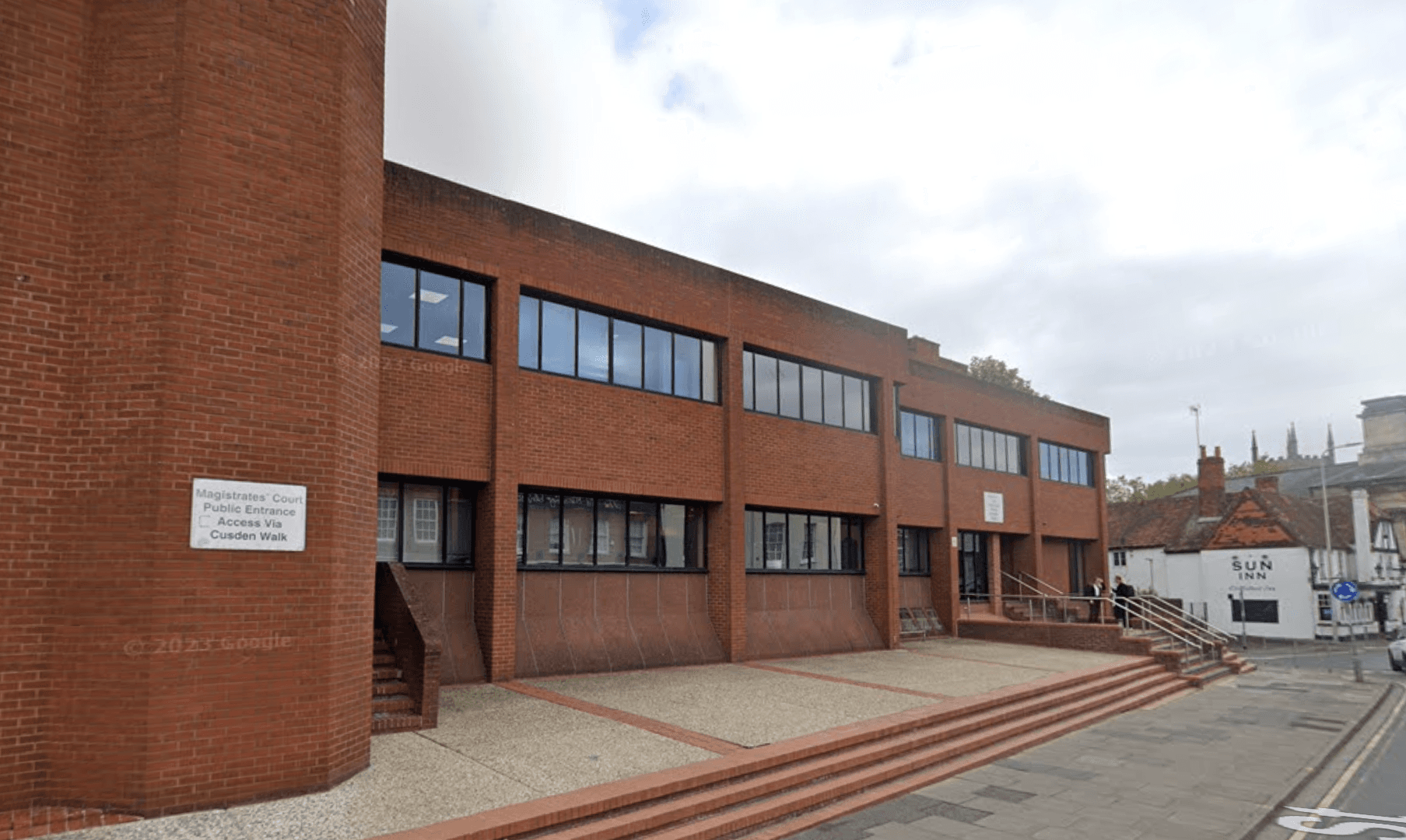
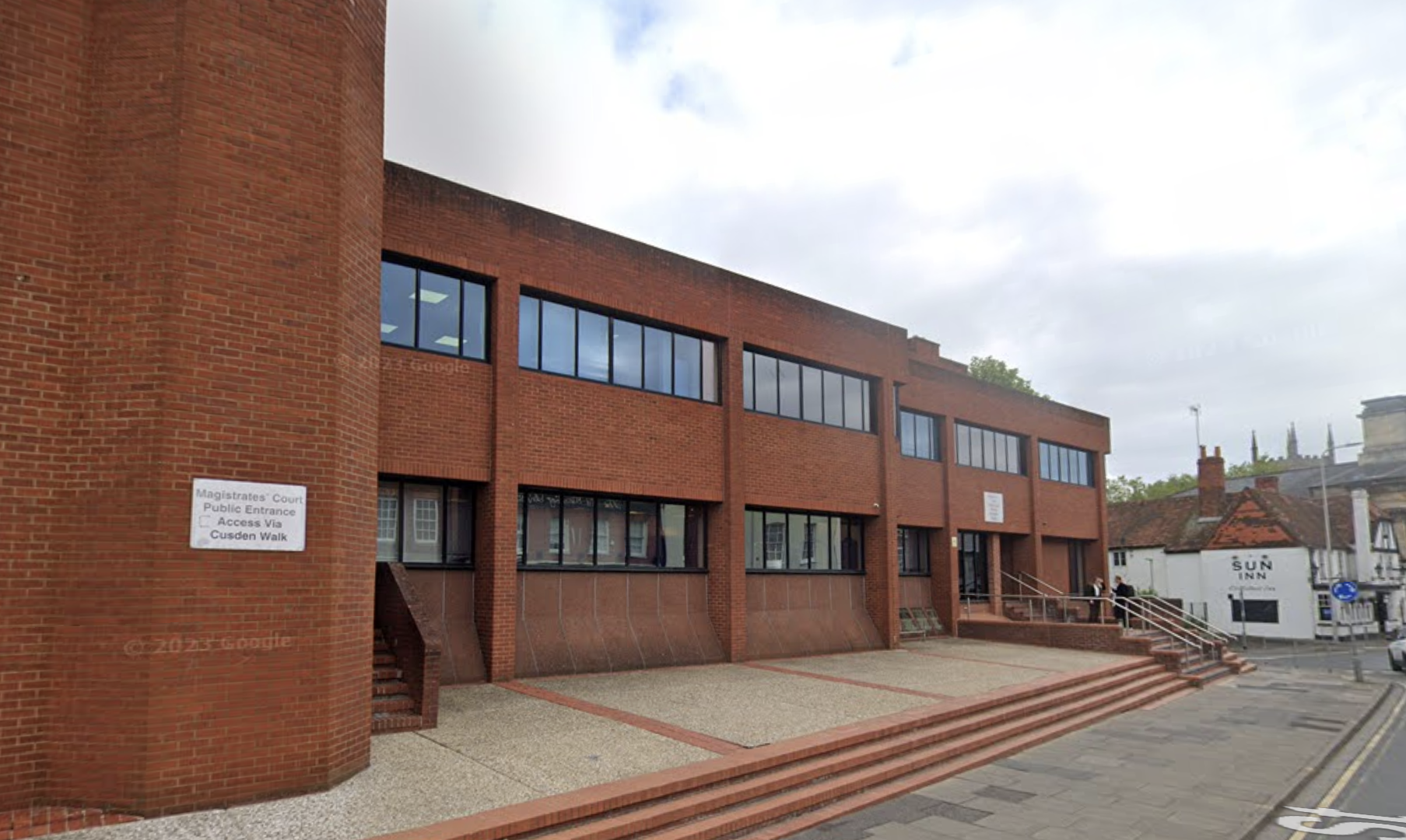
When the case was heard on 14 August at Reading Magistrates’ Court, SVG Motorsport Ltd pleaded guilty. The court imposed a £200 fine, an £80 victim surcharge and ordered the business to pay £1,320 in compensation – bringing the total financial penalty to £1,600.
Why the modifications are unlawful
Removing a catalytic converter from a vehicle that originally fitted one leads to a significant rise in harmful emissions and breaches UK road‑use legislation. In addition, the altered exhaust system can cause a vehicle to fail its MOT, the mandatory annual test that confirms a car’s road‑worthiness.
DVSA’s wider enforcement campaign
Chris Dormand, head of the DVSA’s market surveillance unit, highlighted that the agency is determined to eradicate “pop‑and‑bang” modifications because they create antisocial noise and increase pollution. He stated, “DVSA works tirelessly to stop pop‑and‑bang modifications – removing antisocial noise and excess pollution from our streets. There is no excuse for garages who make these illegal alterations. DVSA will target any businesses who flout the law – as demonstrated by the success of this prosecution.”
What does this mean for other garages?
The case underscores a broader crackdown on workshops offering illegal performance upgrades. Garages that remove emissions‑control equipment, alter exhaust systems for louder sound, or carry out ECU remaps without proper documentation risk prosecution, fines and damage to their reputation.
Implications for car enthusiasts and buyers
For anyone considering aftermarket modifications, the case raises two key questions: What are the penalties for illegal car modifications? and Is removing a catalytic converter illegal? The answer is clear – the DVSA can impose fines, victim surcharges and compensation payments, and the vehicle may be deemed unroadworthy.
Potential buyers should also be aware that a car with undocumented modifications may fail its MOT, resulting in additional costs or the need to reverse the changes before the vehicle can be legally driven.
Conclusion
The £1,600 penalty handed to SVG Motorsport serves as a warning that illegal “pop‑and‑bang” upgrades are no longer tolerated. As the DVSA intensifies its surveillance, both garages and motorists must ensure any performance work complies with emissions standards and MOT requirements to avoid costly legal repercussions.