Will the UK keep Chinese EV tariffs unchanged
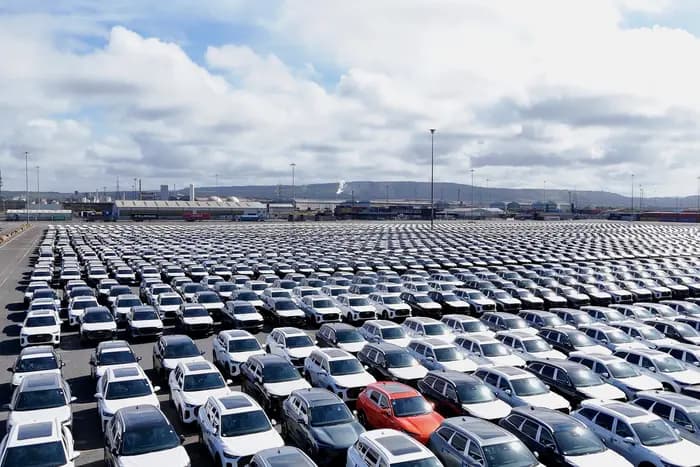
The UK government says it will not raise tariffs on Chinese electric vehicles, a decision that could affect dealer pricing and stock strategies.
The UK government has signalled it will resist calls to raise import duties on Chinese electric vehicles, according to Business Secretary Jonathan Reynolds. Dealers can expect the current tariff regime to remain unchanged, preserving existing cost structures for Chinese EVs entering the British market.
Key takeaways
- The government will not increase tariffs on Chinese EVs.
- Business Secretary Jonathan Reynolds made the indication.
- Existing duty rates will continue to apply.
- The decision affects pricing and stock planning for dealers.
Government stance on tariffs
In October 2026 the Business Secretary confirmed that the Treasury will not raise the import duty on Chinese electric cars despite lobbying from some domestic manufacturers. The view is that higher charges could disrupt the broader EU‑UK trade framework and hinder market competition.
Officials said the policy reflects a desire to keep the overall cost of EVs low for consumers, while maintaining a level playing field for all overseas suppliers. No timetable for a policy review was given.
Effect on Chinese EV imports
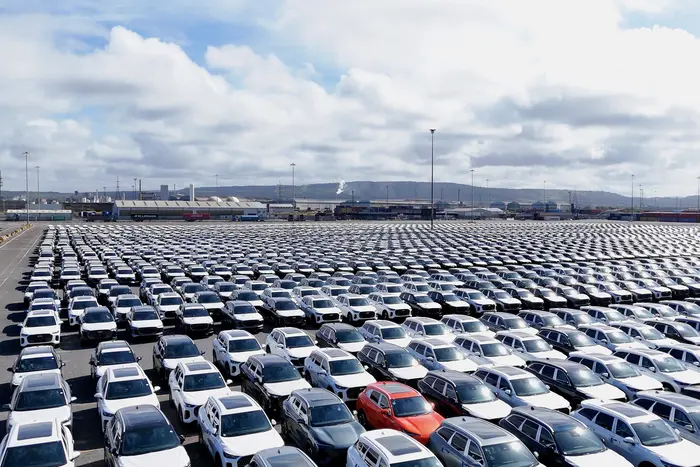
Keeping duties unchanged means Chinese manufacturers retain their current price advantage over many European rivals. This can encourage higher volumes of Chinese EVs being shipped to the UK, especially in the compact and affordable segments.
Dealers may see a steady flow of models such as BYD, Nio and Xpeng, whose competitive pricing is partly enabled by the existing tariff rate. The lack of a duty hike also reduces the risk of sudden price inflation for these vehicles.
Implications for UK dealers
Stability in tariff policy allows dealers to plan inventory and margin expectations with greater certainty. Pricing strategies for Chinese EVs can be set without anticipating an imminent cost increase.
However, dealers should continue to monitor any future trade negotiations, as a shift in government or market conditions could prompt a reassessment of duties later in the decade.
What this means for dealers
The decision provides short‑term certainty, enabling dealers to finalise order books and promotional pricing for Chinese EVs. It also supports the broader push to increase electric vehicle uptake across the UK market.
Dealers are advised to keep abreast of any policy signals from the Department for Business and Trade, as changes to tariff structures remain a possible lever for future market adjustments.
Frequently asked questions
Will lower tariffs keep Chinese EV prices competitive for UK buyers?
Because duties remain at their current level, the landed cost of Chinese electric cars stays lower than it would be with a higher levy. This helps keep retail prices attractive, supporting consumer demand and helping dealers meet sales targets for affordable EV models.
How might the decision influence dealer stock levels of Chinese models?
With no tariff jump expected, dealers can order Chinese EVs without the risk of a sudden price rise eroding margins. This encourages maintaining or expanding stock levels, particularly for high‑volume models that offer good profitability under the existing duty regime.
Could future policy changes still affect tariffs on Chinese EVs?
While the government has ruled out an increase now, trade policy is subject to review. Future shifts in international relations, domestic industry pressure or changes in environmental legislation could prompt a reassessment of import duties at a later date.
This article summarises reporting first published by AM Online.