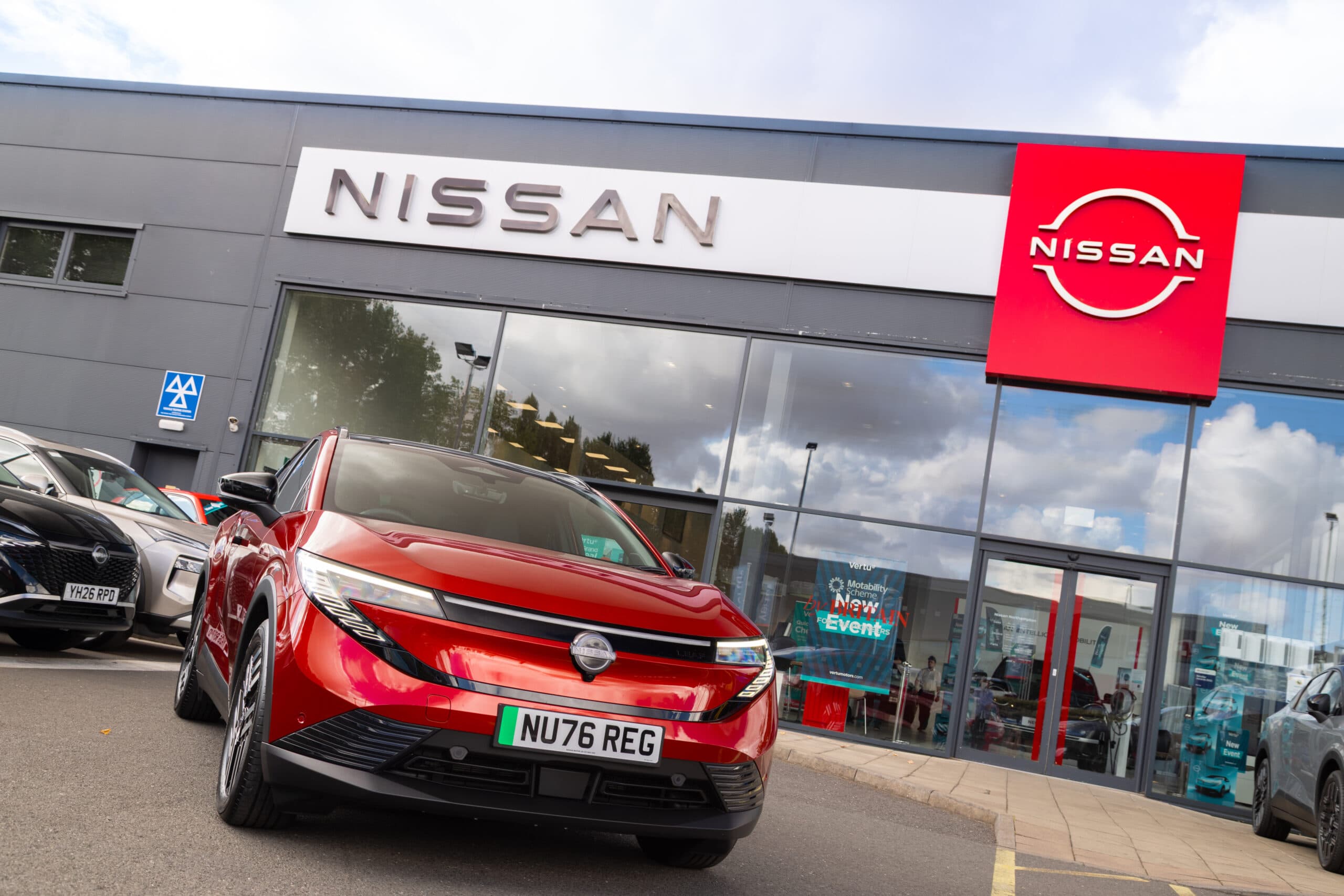
UK new car registrations jump 12% in September
SMMT data shows September 2026 new‑car registrations rose 12.1% to a 2017‑high, with private buyers and EVs driving growth, impacting dealer stock strategies.
The Society of Motor Manufacturers and Traders reports that UK new‑car registrations rose 12.1% in September 2026, reaching 350,518 units – the strongest monthly tally since 2017. Private buyers returned to showrooms, pushing electrified vehicles to a record 58.4% of total registrations, a trend dealers cannot ignore.
Key takeaways
- September 2026 saw 350,518 new cars registered, up 12.1% year‑on‑year.
- Private registrations grew 13.9% to 149,158, increasing market share to 42.6%.
- Electrified vehicles accounted for 58.4% of September registrations, BEVs holding 28.3% share.
- Fleet sales rose 9.6% but market share slipped to 54.5%.
Overall September market performance
The SMMT confirmed that 350,518 new cars were registered in September 2026, representing a 12.1% increase on September 2025. This is the highest monthly total since 2017 and marks the tenth straight month of growth.
September typically accounts for around one‑seventh of the year’s registrations, making it a critical sales window for dealers aiming to hit annual targets.
Private versus fleet demand
Private registrations climbed 13.9% to 149,158 units, lifting their market share to 42.6% from 41.9% a year earlier. This uptick suggests that more consumers are opting for new cars over used alternatives.
Fleet registrations rose 9.6% to 190,988 but their share fell to 54.5% as private demand grew faster. Smaller business buyers showed the strongest relative growth, up 37.6% to 10,372 registrations.
Electrified vehicle surge
Electrified cars made up a record 58.4% of September registrations. Battery‑electric vehicle (BEV) numbers jumped 36.3% to 99,199, giving them a 28.3% market share, while plug‑in hybrids rose 55.7% to 59,563, a record 17% share.
Hybrid registrations slipped 4.2% to 45,838, and petrol models fell 6.7% to 131,861. Diesel was the only combustion fuel to grow, up 11.5% to 14,057 units.
SMMT outlook and regulatory targets
SMMT chief executive Mike Hawes described September’s EV performance as a ‘major achievement’, citing broader model choice, manufacturer incentives and high fuel prices as drivers.
Despite the surge, BEV registrations year‑to‑date total 454,945 – a 26.2% share, still below the 33% target set in the 2026 Zero Emission Vehicle Mandate. Hawes warned that uptake remains behind mandated levels and called for a review of the mandate.
What this means for dealers
Dealers should prioritise stocking a wider range of electric models to capture the growing private‑buyer demand and to meet the high EV market share. Competitive pricing and manufacturer incentives will be key to converting customers who might otherwise choose used cars.
Fleet customers remain important, but the slower share decline suggests dealers must balance fleet promotions with private‑buyer offers, especially as smaller business registrations show rapid growth.
Frequently asked questions
Why did private buyer registrations increase more than fleet registrations in September 2026?
Private buyers were attracted by aggressive promotional offers, a broader range of new models and higher fuel prices that made new electric cars more appealing. The SMMT highlighted intense competition and attractive financing as key factors, prompting shoppers who might have considered used vehicles to purchase new cars instead.
How are electrified vehicle sales influencing dealer inventory decisions?
With electrified cars representing 58.4% of September registrations, dealers are under pressure to increase EV stock, particularly battery‑electric and plug‑in hybrid models. Higher market shares translate into faster turnover, and many manufacturers are linking incentives to EV volume, making it financially prudent for dealers to align inventory with the growing consumer demand.
What does the SMMT’s 2026 Zero Emission Vehicle Mandate mean for future market share targets?
The mandate sets a 33% BEV share for the 2026 season. As of September, BEVs account for 26.2% of registrations year‑to‑date, indicating a gap that manufacturers and dealers must close through expanded model ranges, incentives, and charging infrastructure support. Failure to meet the target could provoke regulatory reviews and affect future funding schemes.
This article summarises reporting first published by Car Dealer Magazine.