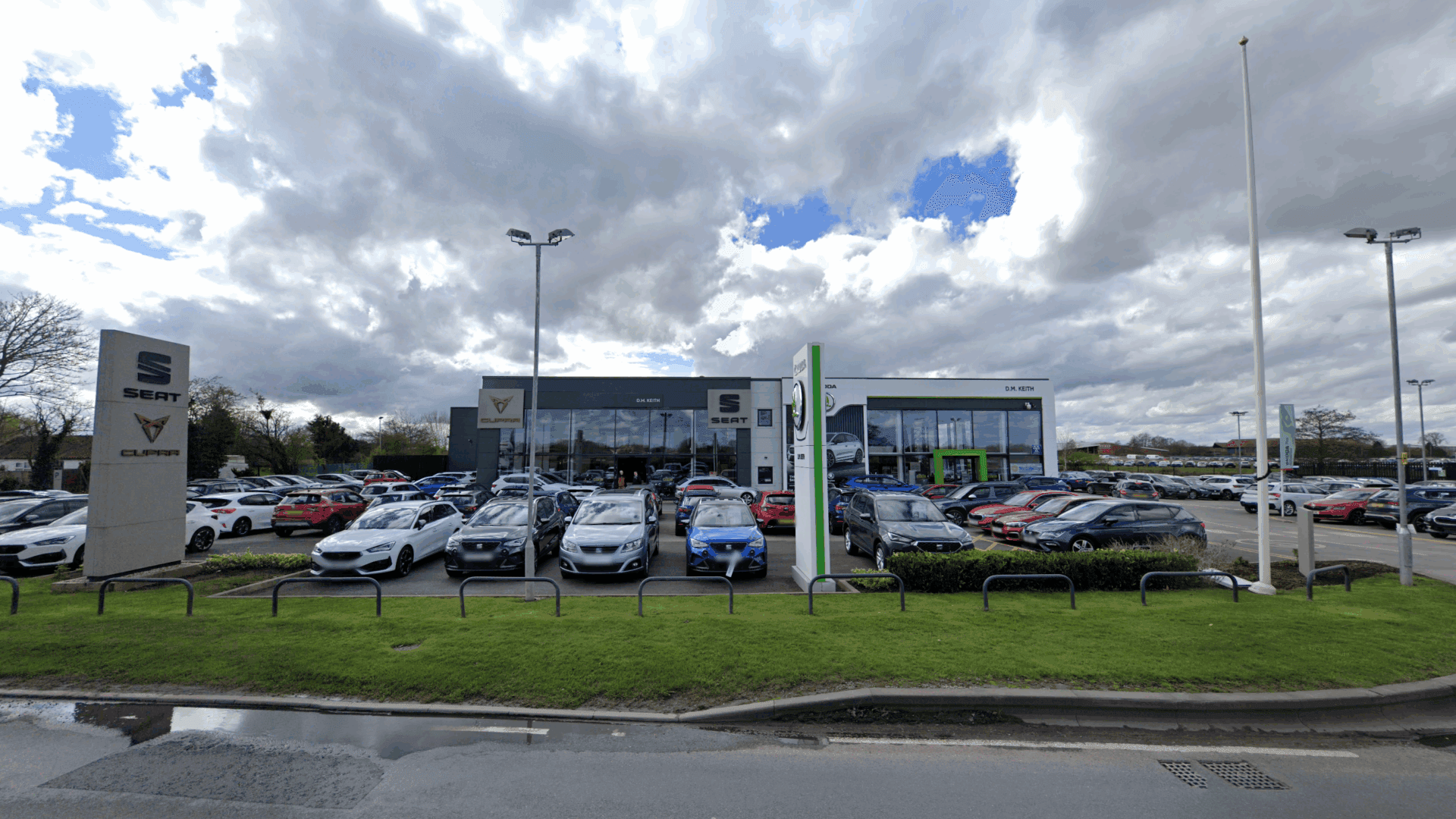
D.M. Keith profit falls 88% as turnover hits £435m
Dealer group D.M. Keith saw pre‑tax profit plunge to just £309,583 in 2025 while turnover rose to £435.1m, with vehicle volumes up but margins under pressure.
D.M. Keith reported a pre‑tax profit of £309,583 for the year to 31 December 2025, a fall of almost 88% on the previous year, even as turnover rose 17.1% to £435.13 million. The contrast highlights pressure on margins despite higher sales volumes, a key concern for dealers.
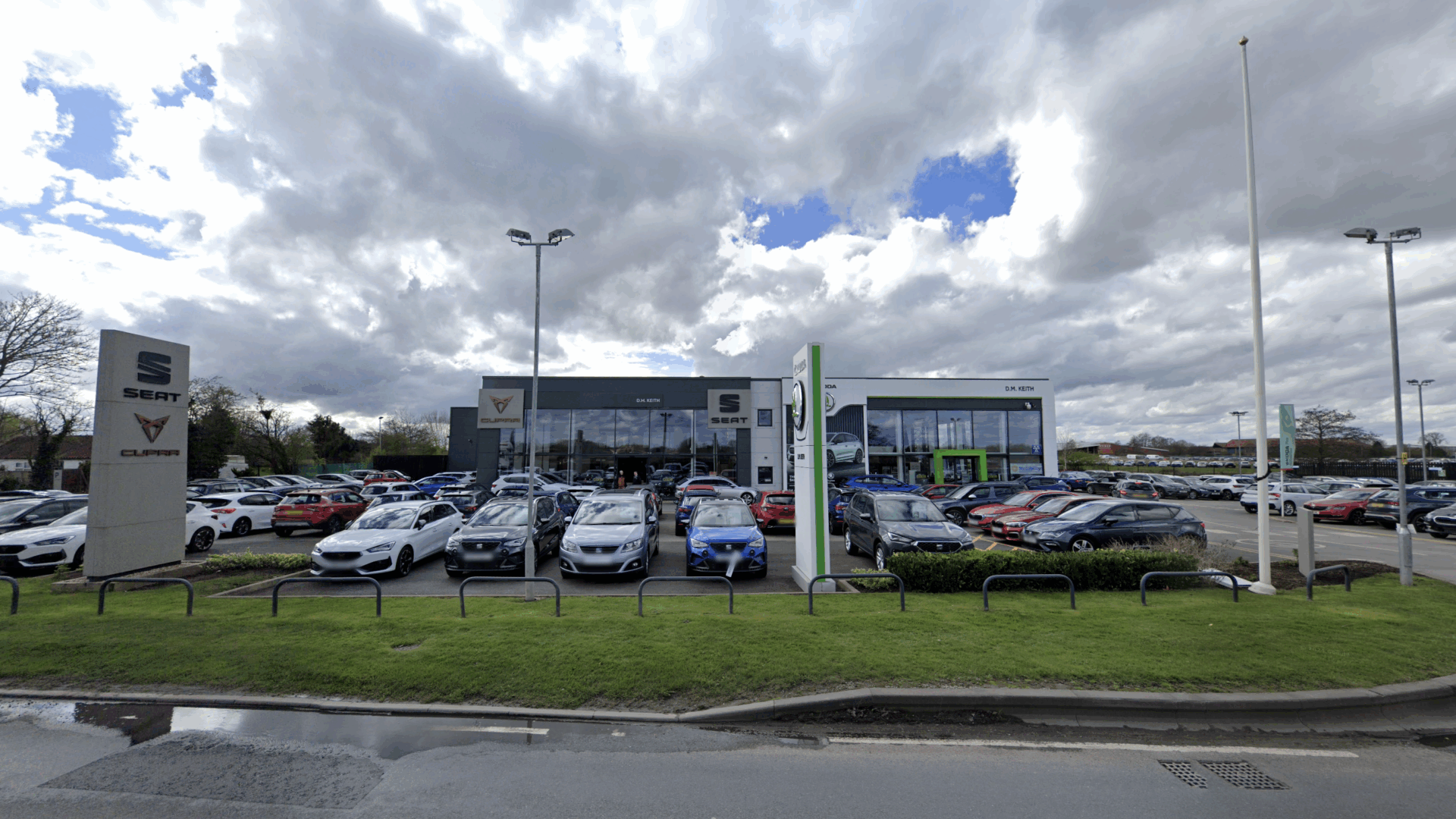
Key takeaways
- Turnover grew to £435.13 million, up 17.1% year‑on‑year.
- Pre‑tax profit dropped to £309,583, an 88% decline.
- Vehicle sales rose 17.9% to 19,516 units.
- Gross profit fell to £23.50 million; operating profit halved.
- Finance costs increased to £1.37 million.
Financial performance
Revenue growth was driven by the full year of trading at the six BYD sites and acquisitions made in 2024. Vehicle sales contributed £410.84 million and after‑sales £24.29 million to turnover.
Despite the revenue boost, gross profit slipped from £24.11 million to £23.50 million and operating profit fell from £3.25 million to £1.49 million. After‑tax profit was only £43,989 compared with £1.77 million the year before. Interest and similar finance expenses rose from £965,765 to £1.37 million.
Vehicle sales and market mix
Keith sold 19,516 vehicles in 2025, a 17.9% increase on 2024. New‑car retail units jumped 36.7% to 7,553, while used‑car volumes grew modestly 5% to 2,570. Fleet sales fell 18.4% to 3,515, mainly due to fewer VAG fleet deals.
The higher volumes did not translate into higher profitability, reflecting a broader downturn in motor retail conditions cited by director Dougal Macdonald Keith.
Strategic investments and partnerships
The group continued expanding its emerging‑manufacturer portfolio, adding new Changan sites in Leeds, Wakefield and Bradford during 2025 and opening a fourth location in Sheffield in early 2026. All six BYD businesses remain in a growth phase, with profitability expected to improve as market share and retention rise.
In March following the financial year, Keith acquired JAM300 Limited, a Subaru and Mercedes‑Benz authorised repairer, further bolstering its service offering. The workforce grew to an average of 664 employees.
What this means for dealers
The stark profit decline despite turnover growth signals that higher sales volumes alone may not offset margin pressure in a competitive market. Dealers should monitor finance costs and the profitability of new‑vehicle partnerships, especially with emerging brands such as BYD and Changan.
Investing in service capabilities, as shown by the JAM300 acquisition, can provide a steadier income stream and mitigate reliance on retail margins. Maintaining a balanced sales mix between new, used, and fleet segments will also be crucial as fleet demand fluctuates.
Frequently asked questions
Why did D.M. Keith’s profit fall sharply despite higher turnover?
Profit fell because gross and operating margins slipped, finance expenses rose, and the overall market faced a downturn that reduced profitability across the sector, as noted by the company’s director.
What impact does the growth in BYD and Changan sites have on future earnings?
The BYD and Changan expansions are in a growth phase, with the company expecting improved profitability as market share and customer retention increase, although the benefit may take time to materialise.
How should dealers respond to the decline in fleet sales?
Dealers need to diversify their sales mix, focusing on strengthening new and used retail channels while exploring alternative fleet partnerships to offset the dip in VAG fleet deals.
This article summarises reporting first published by Car Dealer Magazine.