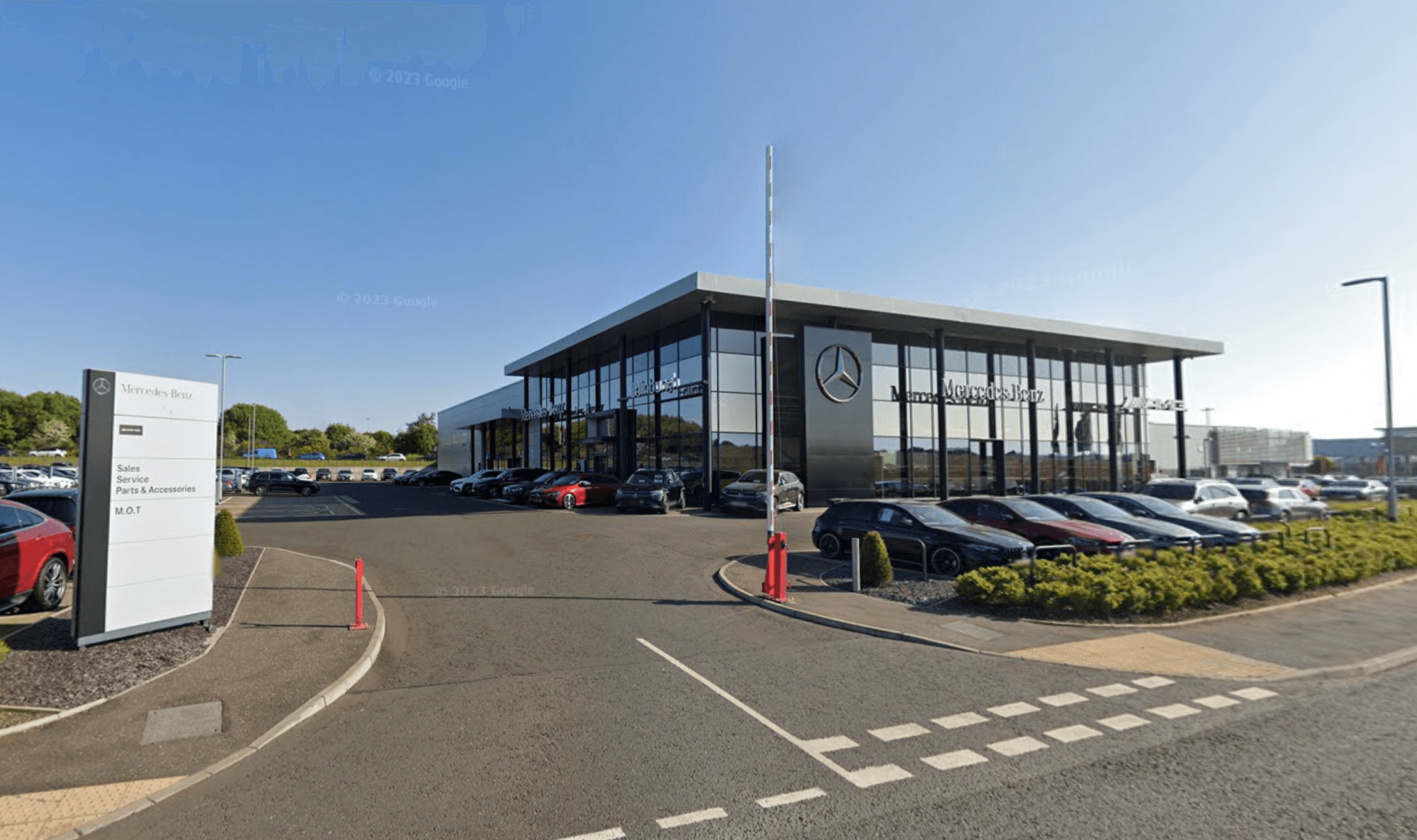
Eastern Western profit falls as network expansion costs rise
Eastern Western Motor Group reported a 15% drop in pre‑tax profit for 2025 while investing millions in new franchises and acquisitions, highlighting…
Eastern Western Motor Group, based in West Lothian, posted a 15% fall in pre‑tax profit to £11.33 million for the year to December 2025, while turnover slipped to £892.5 million after Mini and Honda moved to agency models. The group continued to invest heavily in new franchises and acquisitions, a factor dealers must watch.
Key takeaways
- Pre‑tax profit fell 15% to £11.33 million in 2025.
- Turnover dropped to £892.5 million, hit by agency‑model shifts.
- Group opened three Chery franchises and bought Audi sites, spending £11 million.
- Cash reserves fell to £5.6 million; vehicle financing rose to £105.6 million.
- Dividend remained at £3 million despite profit decline.
Financial performance
The accounts filed at Companies House show a pre‑tax profit of £11.33 million for the 12 months to December 2025, down from £13.25 million in 2024 and £18.92 million in 2023. Turnover decreased from £920.8 million to £892.5 million, a decline attributed to Mini and Honda switching from wholesale to agency sales, which replace gross profit with handling fees.
Despite the profit fall, the board kept the dividend at £3 million, matching the payout for 2024. Directors highlighted that every franchise outperformed industry averages on new and used vehicle gross profit.
Network expansion and acquisitions
In April 2025 the group closed its Harley‑Davidson and Kawasaki franchises. It simultaneously opened three Chery dealerships, adding a fourth in early 2026, marking its first foray into Chinese‑brand vehicles.
Eastern Western also completed a multi‑million‑pound acquisition of Audi sites in Edinburgh and Stirling from Lookers, bringing 125 new staff onboard. The purchase cost £8.1 million, with a further £2.9 million spent on lease‑hold improvements. An additional 33,000 sq ft industrial unit was bought for £2.4 million to serve as an after‑sales centre at Halbeath.
Cost pressures and cash position
Administrative expenses rose by £3.3 million to £104.5 million, while payroll increased from £71.9 million to £75.8 million as the workforce grew from 1,624 to 1,674 employees. Directors’ remuneration fell slightly to £2.84 million.
Technician shortages continued to lift productive staff costs, prompting recruitment from outside the traditional geographic area. Cash on hand declined from £12.2 million at the end of 2024 to £5.6 million in 2025, although vehicle financing grew by £33.7 million to £105.6 million.
What this means for dealers
The drop in profit underlines the impact of agency‑sale models on traditional dealer margins, particularly for brands like Mini and Honda. Dealers must monitor the shift towards handling fees and assess the sustainability of high‑cost network expansion, especially when cash reserves are under pressure. Maintaining strong new and used margins, as Eastern Western claims, will be crucial to offset reduced wholesale earnings.
Frequently asked questions
Why did Eastern Western’s profit fall despite strong franchise margins?
The profit decline stemmed mainly from reduced turnover after Mini and Honda moved to agency models, which eliminate the gross profit that wholesale sales generate. Although each franchise posted margins above industry averages, the lower overall sales volume and higher investment spend outweighed those gains.
How could the group’s expansion strategy affect competition among UK dealers?
By adding new Chery franchises and acquiring Audi sites, Eastern Western is increasing its brand portfolio and geographic reach. This may intensify competition for used‑car customers and after‑sales work, especially in regions where the new sites overlap with existing dealers, prompting peers to review their own network investments and pricing strategies.
This article summarises reporting first published by Car Dealer Magazine.