Diesel car demand falls 19% and sales time rises
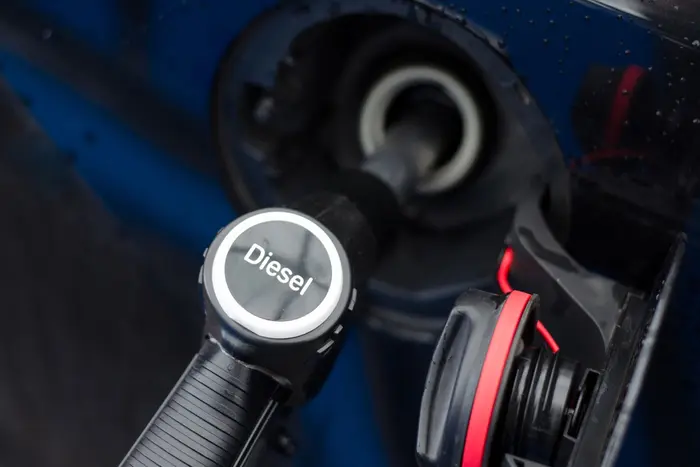
Used diesel cars now take 41 days to sell, 19% demand drop and higher fuel costs strain dealer margins, while hybrids move faster.
Used diesel vehicles are staying on forecourts longer as demand falls 19 per cent, according to AM Online - Latest News. Average selling time has risen to 41 days, compared with 32 days for hybrid models, putting pressure on dealer margins because of rising fuel costs.
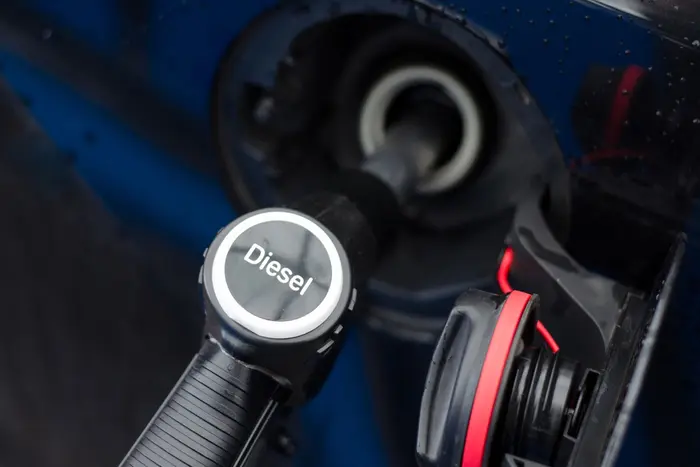
Key takeaways
- Diesel demand down 19 per cent.
- Average diesel selling time is 41 days.
- Hybrid cars sell in 32 days.
- Higher fuel costs squeeze dealer margins.
- Diesel stock remains on forecourts longer.
Demand slump for diesel vehicles
Buyer interest in used diesel cars has dropped sharply, reflecting broader concerns over fuel price volatility and emissions regulations. Dealers report fewer enquiries and test drives for diesel models, with many customers opting for cheaper running alternatives. This shift follows a sustained period of negative press around diesel emissions.
The 19 per cent fall in demand aligns with recent market surveys that show a growing preference for hybrid and electric powertrains. While diesel once dominated the UK used‑car market, the current trend suggests a rebalancing of consumer choice away from high‑emission engines.
Impact on selling times
Average time on the lot for a used diesel car has stretched to 41 days, up from previous periods. By contrast, hybrid vehicles are moving faster, with an average of 32 days on market. The longer inventory periods increase holding costs for dealers and tie up capital.
Extended selling times also affect pricing power. Dealers may need to offer larger discounts to clear diesel stock, further eroding margins. The contrast with hybrids highlights the importance of diversifying the used‑car mix to maintain profitability.
Margin pressure on dealers
Rising fuel costs exacerbate the profitability challenge for diesel stock. Higher running costs for consumers translate into reduced willingness to pay premium prices for diesel models, tightening dealer margins. This environment forces dealers to re‑evaluate pricing strategies and promotional offers.
Dealers are responding by increasing focus on hybrid and low‑emission options, where demand remains relatively strong. Adjusting procurement and floor‑plan allocations to reflect shifting consumer preferences can help mitigate margin compression.
What this means for dealers
Dealers should anticipate continued inventory build‑up of diesel vehicles and plan for longer holding periods. Managing cash flow through tighter floor‑plan control and flexible pricing will be essential. Shifting emphasis toward hybrid and electric stock can improve turnover and protect margins in a market where diesel demand is waning.
Monitoring fuel price trends and consumer sentiment will enable more accurate forecasting and inventory planning. Early reallocation of diesel purchases to higher‑demand segments may reduce future over‑stock and associated costs.
Frequently asked questions
Why has diesel demand fallen by 19 per cent?
Demand has slipped as fuel prices rise and emissions concerns grow, prompting buyers to seek cheaper‑running hybrid or electric models. Dealer reports and market surveys confirm a shift in consumer preference away from diesel powertrains.
How does the longer selling time affect dealer profitability?
Longer selling periods increase holding costs and tie up capital, forcing dealers to offer deeper discounts to clear stock. This reduces gross margins, especially when fuel costs also pressure buyer budgets.
Should dealers increase their hybrid inventory?
Yes, hybrids are selling faster, averaging 32 days on market, and face stronger consumer demand. Expanding hybrid stock can improve turnover rates and help offset the margin pressure from slower‑moving diesel vehicles.
This article summarises reporting first published by AM Online.