Citygate Automotive posts £4m loss after site closures
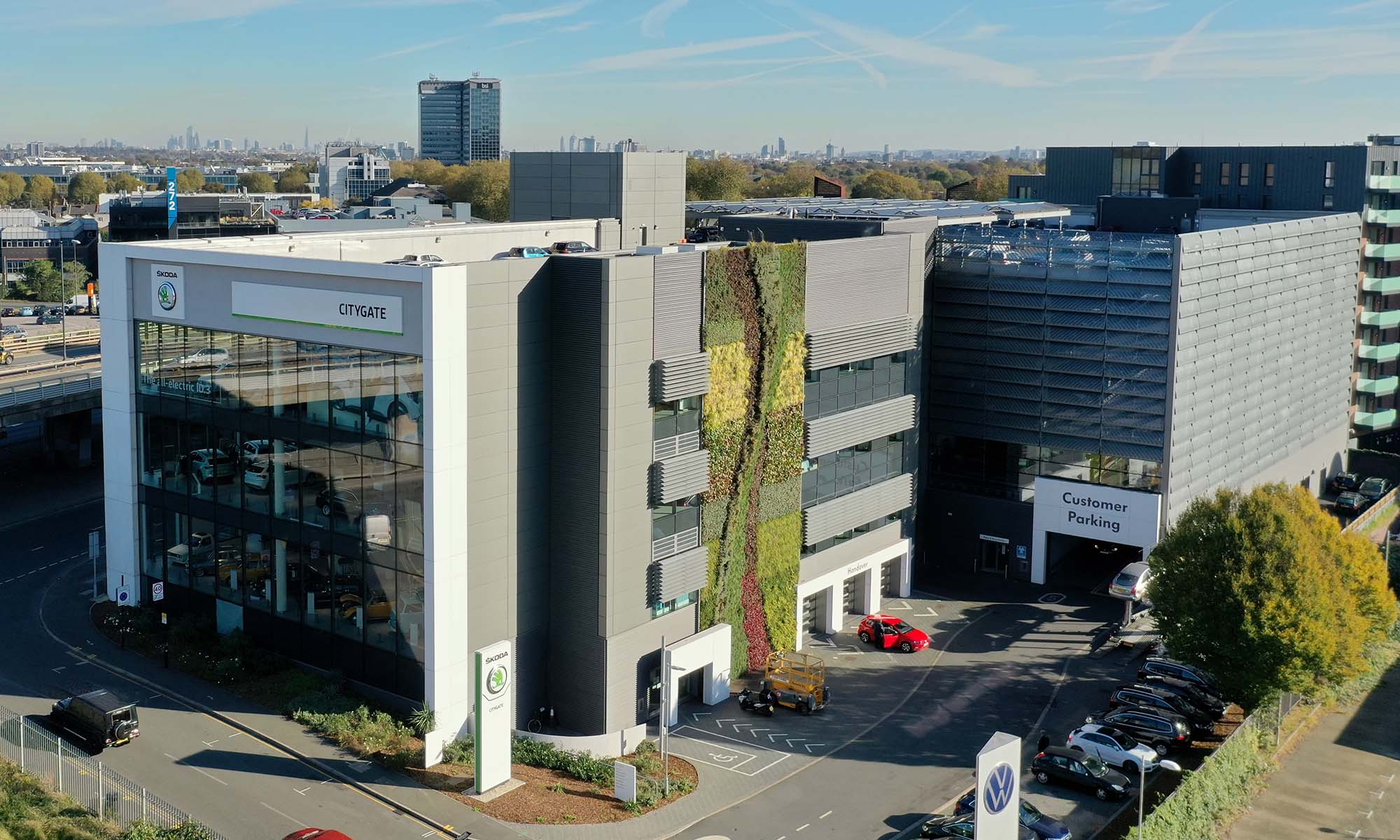
Citygate Automotive recorded a £4.05m pre‑tax loss for the year to December 2025 despite higher turnover.
Citygate Automotive reported a pre‑tax loss of £4.05m for the 12 months to December 2025, even though turnover rose to £435.32m and new and used car volumes increased. The result follows a series of site closures and acquisitions aimed at stabilising the group in a challenging market.
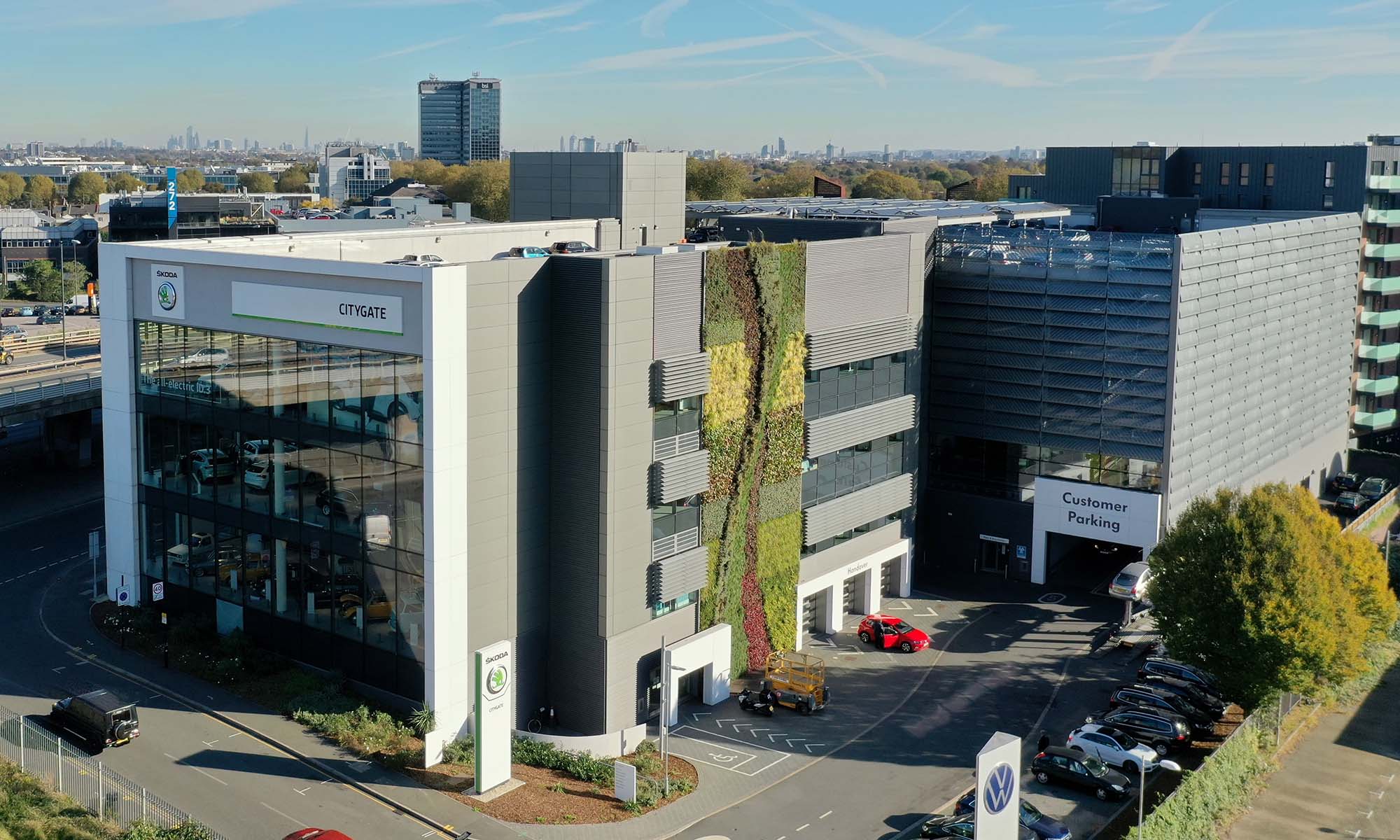
Key takeaways
- Pre‑tax loss fell to £4.05m in the year to December 2025.
- Turnover grew to £435.32m, up from £414.84m.
- New car sales rose to 7,679 and used car sales to 7,729 units.
- Several underperforming sites were closed or sold.
- Gross margin slipped to 12.1% and net assets fell to £13.2m.
Financial performance
The accounts show a pre‑tax loss of £4.05m, the lowest since the 2007/2008 financial crisis. The loss is £4.3m lower than the previous year’s result, despite a 4.9% increase in turnover.
Dividends of £400,000 were paid, but directors did not recommend further payouts. Staff costs rose to £32.94m, reflecting a workforce of 647 employees on average.
Sales volumes and turnover
Citygate sold 7,679 new cars and 7,729 used cars during the year, up from 7,281 new and 7,320 used the year before. Turnover increased to £435.32m from £414.84m, indicating higher revenue per vehicle.
Gross margin fell from 12.4% to 12.1%, putting pressure on profitability as margins tighten across the sector.
Portfolio reshaping and site changes
The group acquired Volkswagen Cars in St Albans from Marshall Motor Group and turned its Twickenham Seat and Cupra outlet into an after‑sales hub serving Volkswagen, Skoda, Seat and Cupra customers.
Retail sales at the Chalfont VW site were ended, and the loss‑making Seat site in Reading was sold to Marshall. The GWM franchise in High Wycombe is scheduled for termination in 2026.
Cost pressures and margin challenges
Directors cited a 9.5% rise in the cost base, driven by higher stock funding charges, storage, increased national insurance contributions, and minimum‑wage rises. Government zero‑emission vehicle mandates and new Chinese brands added further margin pressure.
Despite these pressures, the first half of 2026 saw a stronger result, suggesting the restructuring may begin to stabilise earnings.
What this means for dealers
The Citygate results underline the importance of managing cost structures and inventory funding in a market where gross margins are under strain from regulatory and competitive forces. Dealers may need to evaluate underperforming sites, consider strategic acquisitions, and focus on after‑sales revenue to offset margin compression.
Maintaining profitability may also require tighter control of staff and overhead costs, while leveraging higher turnover volumes to sustain cash flow.
Frequently asked questions
Why did Citygate Automotive record a loss despite higher turnover?
The loss stemmed from increased operating costs, a rising cost base of 9.5%, and a slip in gross margin to 12.1%. Higher staff expenses, stock funding charges and inflationary pressures outweighed the revenue gains from increased turnover.
What strategic actions has Citygate taken to improve its position?
Citygate acquired the Volkswagen Cars franchise in St Albans, converted a Twickenham Seat and Cupra outlet into an after‑sales centre, and exited loss‑making sites such as Chalfont VW and the Reading Seat location. The group also plans to terminate its High Wycombe GWM franchise in 2026.
This article summarises reporting first published by Car Dealer Magazine.