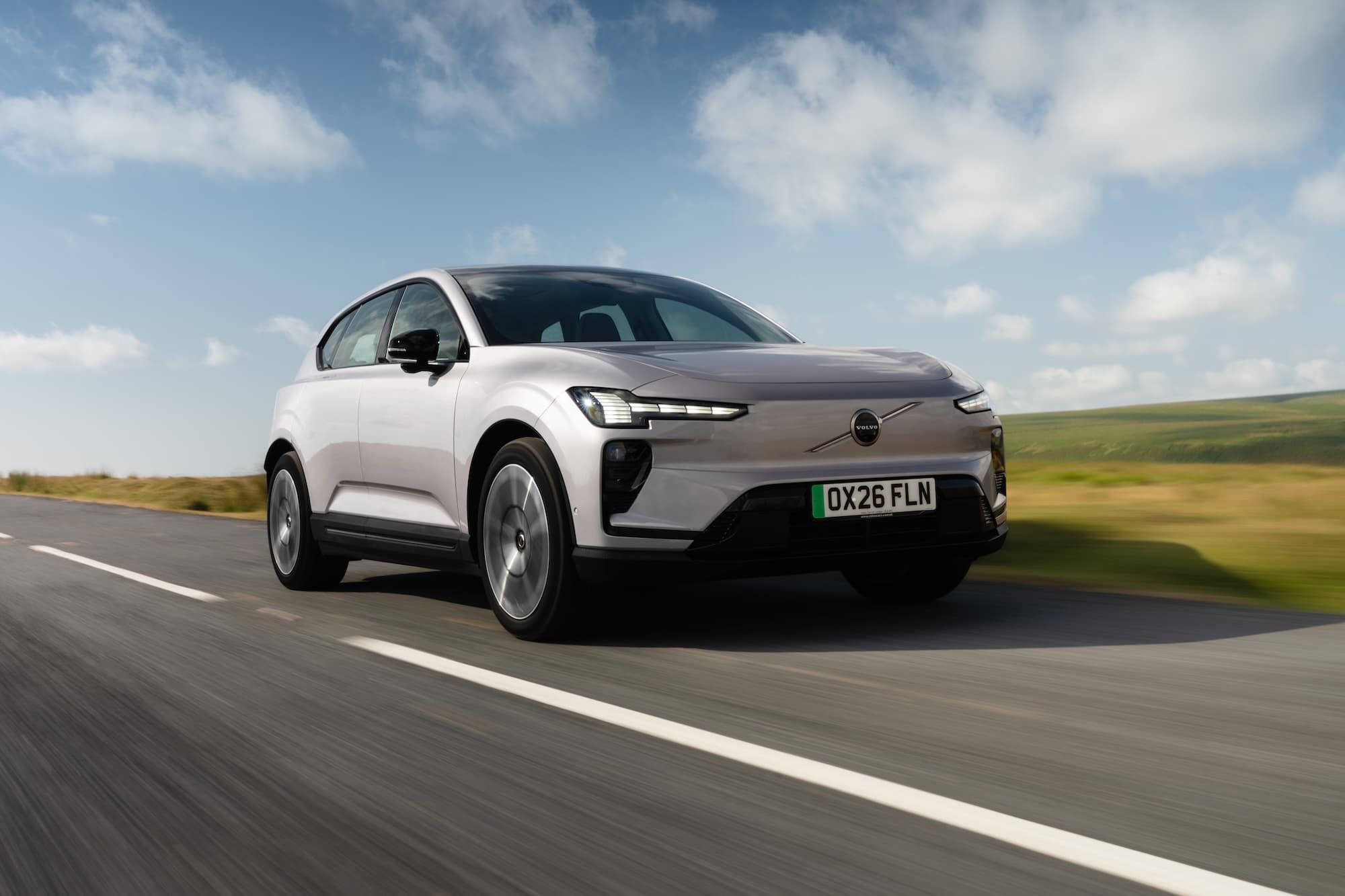
Volvo Cars drops 2026 sales and cash flow forecasts
Volvo Cars has withdrawn its 2026 volume and cash‑flow guidance after weak sales in China and a slow US premium market recovery.
Volvo Cars has withdrawn its 2026 volume and cash‑flow guidance after weaker sales in China and a slower premium‑car recovery in the United States, leaving the Swedish maker with heightened uncertainty for the rest of the year, which could affect dealer ordering and floor‑plan financing.
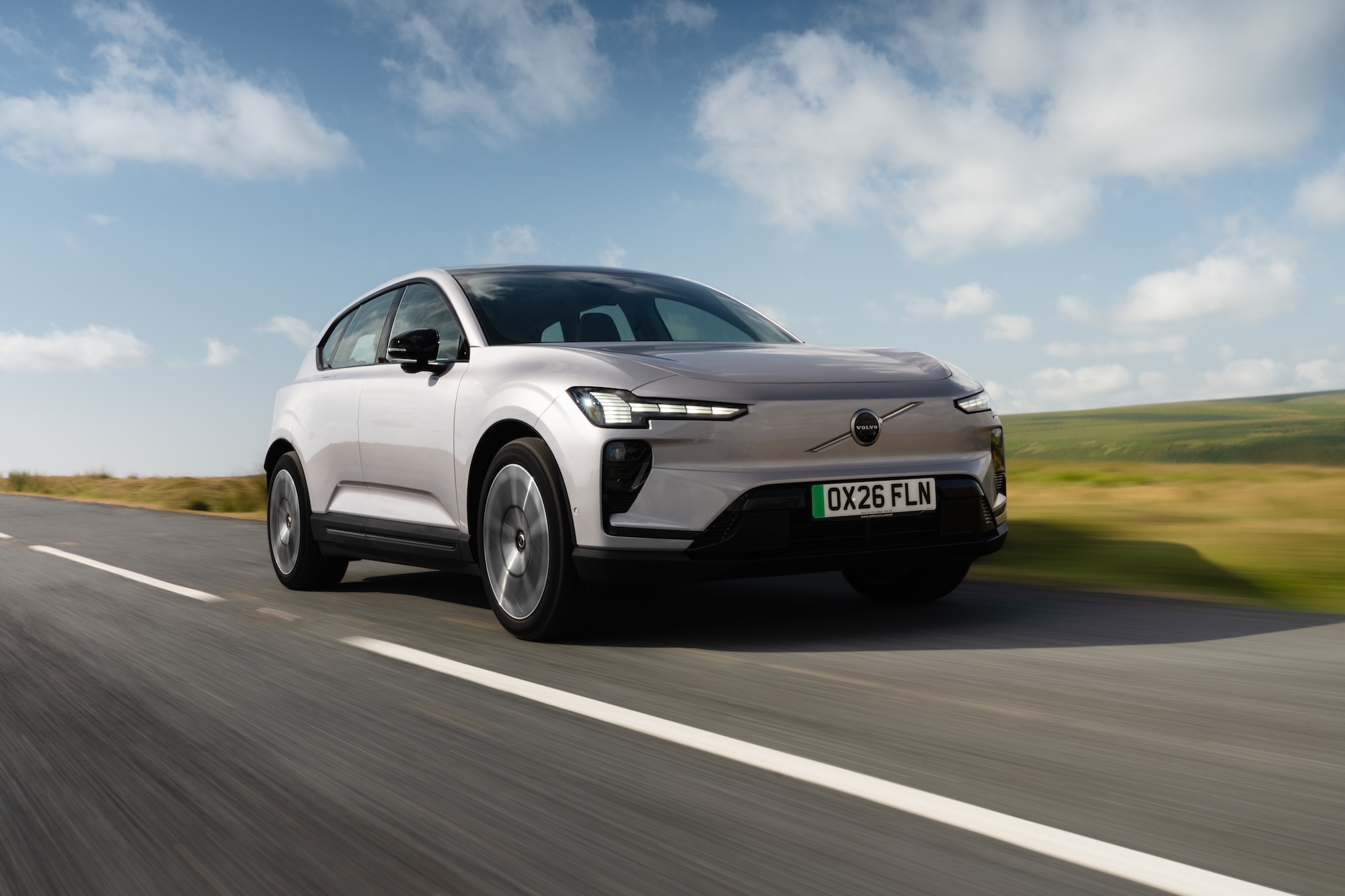
Key takeaways
- Volvo cancelled its 2026 sales and cash‑flow forecasts due to market weakness.
- Q3 global sales fell 11% YoY to 141,609 units.
- China remains under significant pressure; US premium recovery slower than expected.
- No short‑term forecasts will be issued while uncertainty persists.
- Long‑term goals still include positive cash flow and an 8% EBIT margin.
Reason for the forecast withdrawal
Volvo said deteriorating market conditions in China and a slower‑than‑expected premium‑car rebound in the United States forced it to abandon the full‑year 2026 volume and cash‑flow targets. Europe was described as relatively resilient, but the overall outlook proved too uncertain to maintain guidance.
The company also highlighted ongoing pressures from higher raw‑material costs, adverse foreign‑exchange movements and increased amortisation and depreciation, all of which further erode earnings and cash generation.
Current sales performance
In the third quarter Volvo sold 141,609 cars worldwide, an 11% decline compared with the same period a year earlier. The weaker sales volume is expected to have a significant negative impact on third‑quarter core earnings and cash flow.
The decline was driven largely by continued weakness in China, where industry volumes remain under significant pressure, and a premium‑segment slowdown in the US market.
Strategic response and long‑term targets
Volvo will not issue replacement short‑term forecasts while market uncertainty persists. It said further actions will be taken to accelerate its strategic plan and will provide more detail when it releases its third‑quarter results on 23 October 2026.
Despite the short‑term setback, the firm reaffirmed its longer‑term ambition to generate strong positive cash flow and achieve an EBIT margin of about 8%.
Leadership change
Klaus Zellmer, former head of Škoda, has been appointed Volvo Cars’ next president and CEO. Reviving sales in an increasingly competitive global market is a primary priority for the new leader.
What this means for dealers
The removal of the 2026 guidance introduces greater uncertainty for inventory planning. Dealers may need to temper floor‑plan commitments and reassess ordering volumes, particularly for models heavily exposed to the Chinese and US premium segments.
With Volvo signalling a focus on long‑term profitability, dealers should monitor upcoming strategic actions and the detailed Q3 results on 23 October to gauge any shifts in pricing, incentives or future supply.
Frequently asked questions
Why has Volvo removed its 2026 sales and cash‑flow forecasts?
Volvo cited worsening market conditions in China and a slower recovery of the US premium market, combined with cost pressures from raw materials, foreign‑exchange moves and higher depreciation, which together made its original 2026 targets unattainable.
How will the forecast change affect dealer ordering?
Dealers are likely to adopt a more cautious approach, reducing floor‑plan exposure and reviewing order sizes for models dependent on the Chinese and US markets until clearer guidance is provided after the Q3 results.
When will Volvo provide the next financial update?
Volvo plans to release its third‑quarter financial results, including details of any further strategic actions, on 23 October 2026.
This article summarises reporting first published by Car Dealer Magazine.