Will the UK ZEV Mandate Targets Be Cut After the Prime Minister’s Intervention?
PM Keir Starmer may lower the 2030 EV target from 80% to 50%. Discover the impact on dealers, jobs and consumer choice.
Background to the Zero‑Emission Vehicle (ZEV) Mandate
The UK government introduced a ZEV Mandate that requires 80% of all new‑car sales to be fully electric by 2030. Under the original schedule, hybrid models would account for the remaining 20%, while new‑sale petrol and diesel vehicles would be banned from that year. The ambition was phased in, with manufacturers required to achieve 22% EV sales in 2024, 28% in 2025 and 33% in 2023, rising each year until the 2030 goal.
To enforce compliance, the policy includes fines of £12,000 for each vehicle a manufacturer falls short of its annual quota. In practice, many car makers have responded by offering steep discounts on electric models to avoid penalties and stimulate reluctant buyer uptake.
Potential Revision of the 2030 Target
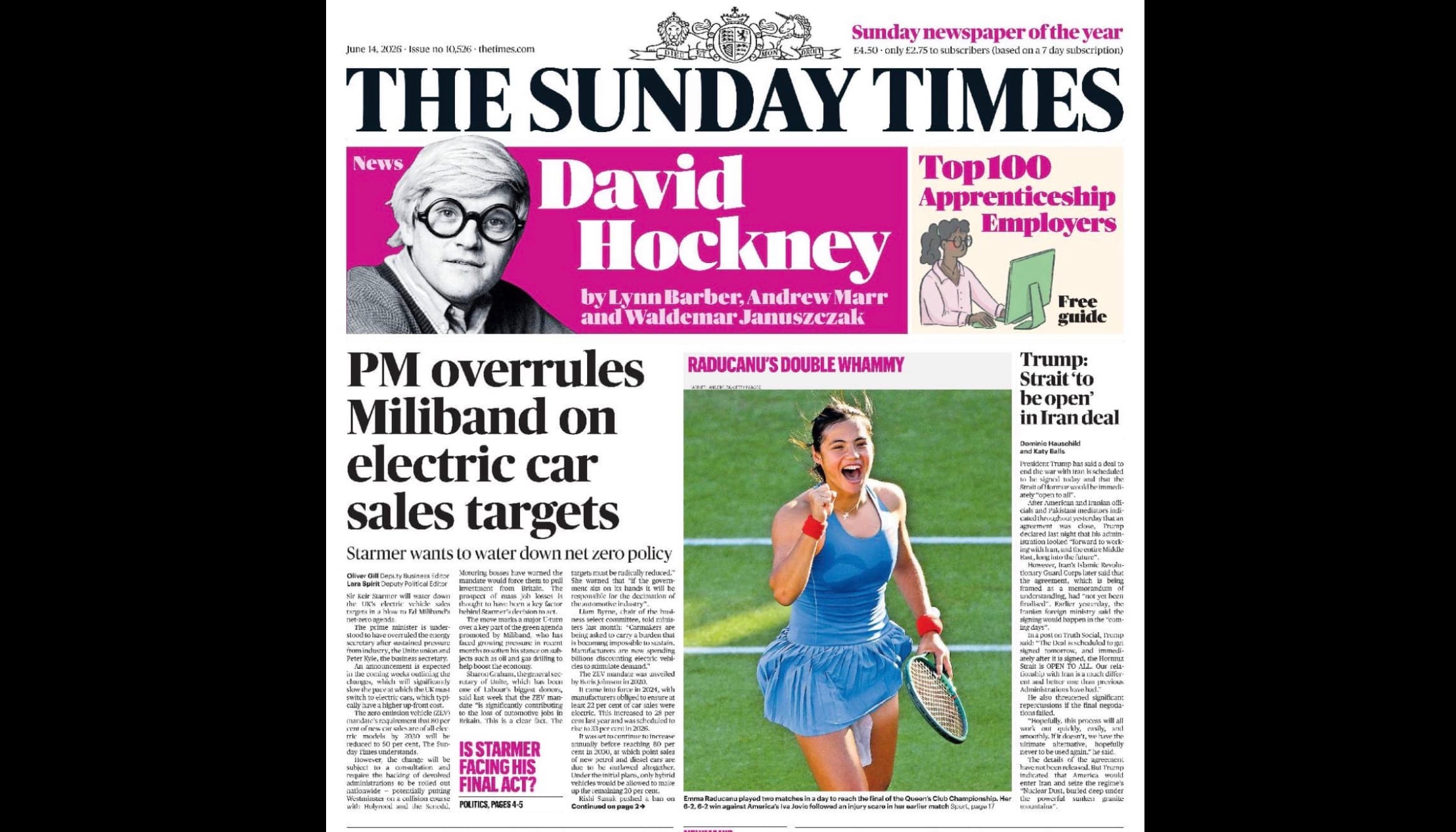
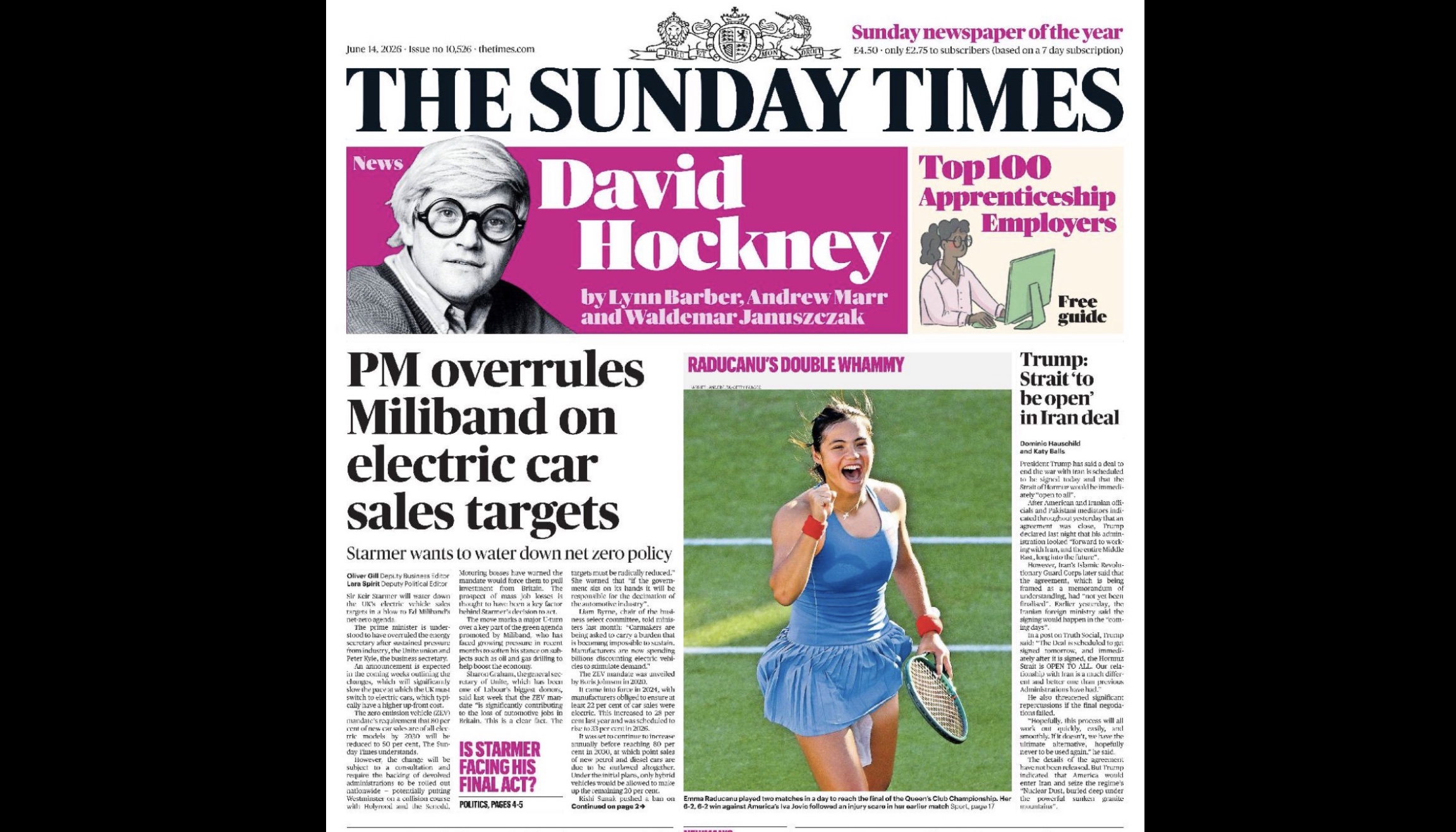
According to a report in The Sunday Times, Prime Minister Sir Keir Starmer is expected to intervene and reduce the 2030 target from 80% to 50% of new car sales being fully electric. Sources close to the paper say an official announcement could arrive in the coming weeks.
The proposed cut would represent a dramatic shift in policy, effectively overruling the Net Zero minister, Ed Miliband, and aligning with Business Secretary Peter Kyle, who has been lobbying for a softer approach.
Industry Reaction
Unite’s General Secretary, Sharon Graham, warned that the original mandate was “significantly contributing” to the loss of automotive jobs in Britain. She told the newspaper that “the targets must be radically reduced” to protect employment.
Vertu Motors CEO Robert Forrester echoed the sentiment, describing the government’s ambition as “delusional”. He argued that the UK is now out of step with the global market, noting that the country represents only 2% of the integrated global automotive sector yet faces the world’s toughest EV targets.
The Society of Motor Manufacturers and Traders (SMMT) chief Mike Hawes added that while the EV transition is progressing, consumer uptake still lags behind current targets, let alone the more aspirational figures in the latest Carbon Budget. Hawes called for an urgent review to ensure that ambition matches market realities and avoids “lost competitiveness and deindustrialisation”.
Impact on Dealers and Consumers
For car dealers, a lower target could translate into a less pressured sales environment. The current fine structure of £12,000 per shortfall vehicle has already forced many manufacturers to discount EVs heavily, squeezing dealer margins. A reduction to 50% would ease the fiscal threat, potentially stabilising pricing and inventory strategies.
Consumers may also benefit. With the threat of fines removed, manufacturers might adopt a more sustainable pricing model rather than relying on deep discounting, which can create market distortion and confuse buyer expectations.
Next Steps and Expected Announcement
The forthcoming announcement is expected in the next few weeks. If the target is indeed lowered, the government will need to amend the ZEV regulatory framework, adjust the fine schedule and possibly redefine the role of hybrid vehicles in the road‑to‑2030 plan.
Stakeholders – from manufacturers and dealers to industry unions – will be watching closely to gauge how the revised mandate aligns with broader Net‑Zero objectives and the United Kingdom’s competitiveness in the global automotive market.

For further reading, see the original Car Dealer Magazine story titled “‘Dramatic cut coming to ZEV Mandate targets’ after PM’s intervention”.