
Why US Car Dealers Are Fighting Chinese Brands - And What It Means for the UK Market
As Chinese car brands eye 20% UK market share by 2030, American dealers lobby to block their entry entirely. What does this transatlantic battle mean for consumers?
US Dealers Declare War on Chinese Car Brands
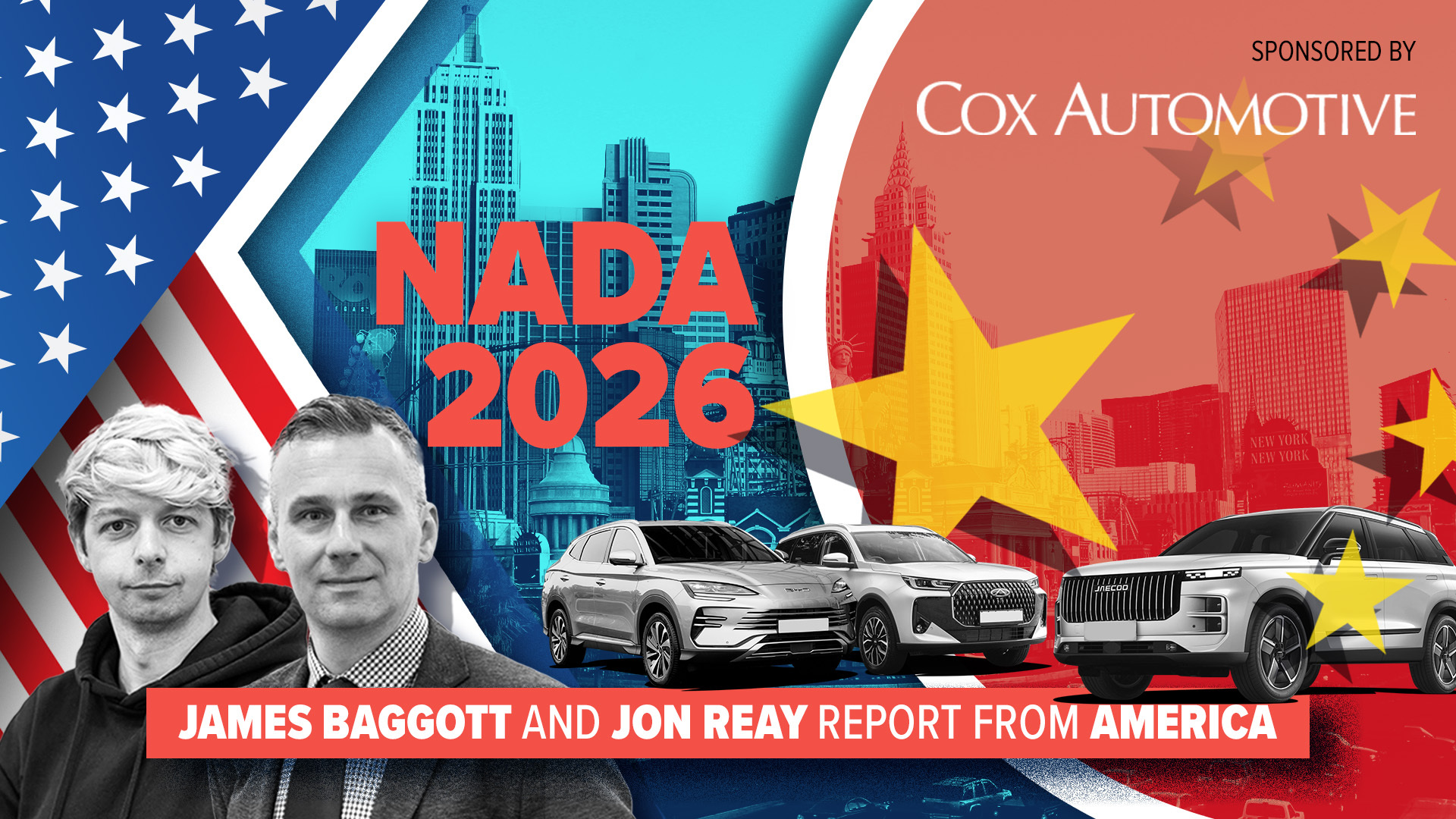
American car dealers are mounting a concerted effort to prevent Chinese manufacturers from establishing a presence in the United States market. The campaign, led by the National Automobile Dealers Association (NADA), positions Chinese vehicles as a significant threat to both the domestic automotive industry and national interests.

"Bad for the Country, Bad for the Industry"
At the recent NADA conference, CEO Mike Stanton made the association's position unequivocally clear. He stated that Chinese cars were "bad for the country" and "bad for the industry," revealing that 95% of the dealers he represents support policies to "keep Chinese car makers out" of the US. This sentiment comes despite existing 100% tariffs on Chinese vehicles, which dealers fear may still be insufficient to prevent brands like BYD and Chery from undercutting American manufacturers on price.
A Stark Contrast to the UK Market
While American dealers lobby for protection, the UK market tells a different story. Chinese car sales are experiencing rapid growth in Britain, having captured 10% of all car sales last year. Industry projections suggest Chinese manufacturers could achieve as much as 20% market share by 2030, indicating a very different reception compared to the resistance emerging in the United States.
The American Dealer Lobby's Track Record
NADA has established itself as a forceful lobby group with a history of challenging perceived threats to traditional dealership models. The organisation is currently engaged in battles with direct-to-consumer sales models from manufacturers including Tesla, Rivian, Lucid Motors, and Scout Motors. The latter, a Volkswagen subsidiary, has particularly angered existing VW, Audi, and Porsche dealers, leading to legal challenges across multiple states.
Stanton emphasised NADA's commitment to this fight, stating: "NADA is in a very good financial position and we have, and we will, continue to throw the kitchen sink to make sure that we get this right." He argued that traditional manufacturers are "diverting resources away from their dealer partners" towards new franchises that compete directly with established networks.
Dealer Concerns About Consumer Acceptance
Despite the official opposition, some US dealers acknowledge the potential appeal of Chinese vehicles to cost-conscious consumers. Doug Delacuesta, who runs Findlay Honda in Henderson, told Car Dealer that he believes Chinese brands could find acceptance among US buyers seeking better value, even with tariff-inflated prices. "I hope they don't come here, though," Delacuesta admitted, while conceding that "if they do I see they could be successful as their cars would undercut many of the vehicles already on sale."
Parallels with UK Dealer-Manufacturer Tensions
The transatlantic battle echoes similar tensions quietly playing out in the UK between dealers and manufacturers implementing agency sales models. Stanton's comment that car makers often "underestimate the value that dealers bring to the equation" resonates with concerns expressed by British dealers facing shifting retail landscapes. This suggests that regardless of geographic market, the relationship between manufacturers and their retail networks remains fraught with challenges as industry models evolve.
With the political landscape uncertain—Stanton noted he "doesn't know what President Trump will do"—the future of Chinese brands in America remains unclear. However, one senator's reported comment that Chinese car makers would be allowed in "over his dead body" indicates the depth of resistance Chinese manufacturers face as they look to expand globally.