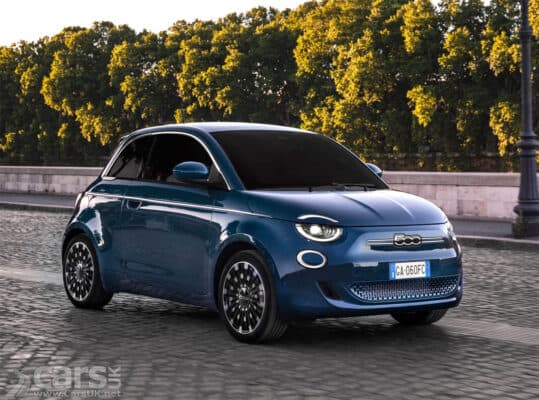
Why Is the Electric Fiat 500e Cheaper Than the New 500 Hybrid?
Fiat 500e now starts at £17,245 after the £3,750 grant, undercutting the 500 Hybrid – see what this price shift means for UK shoppers.
Electric Fiat 500e beats the 500 Hybrid on price
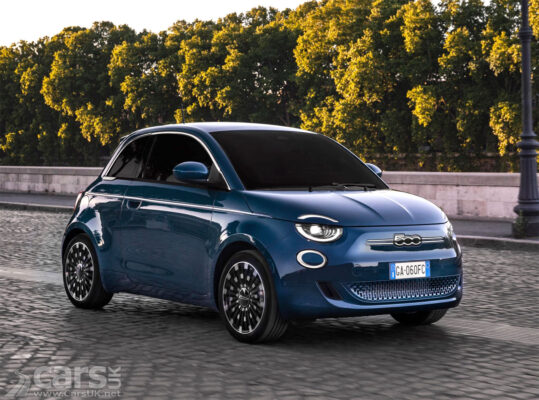
Thanks to the UK government's £3,750 Electric Car Grant, the all‑electric Fiat 500e is now advertised from £17,245. This introductory price sits comfortably below the starting price of the newly launched Fiat 500 Hybrid, marking a clear cost advantage for buyers who prioritise low‑emission motoring.
How the Electric Car Grant reshapes the market
The Electric Car Grant, part of the UK's Clean‑Air Incentive, reduces the upfront cost of eligible zero‑emission vehicles. By applying the full £3,750 reduction to the Fiat 500e, the model becomes one of the most affordable city‑car EVs on the domestic market. The grant is only available to vehicles that meet the required electric range and price thresholds, ensuring that the discount directly benefits consumers seeking a genuine electric experience.
Fiat’s original plan and the pivot to a hybrid
When Fiat first unveiled the next‑generation 500, the company intended the range to be fully electric. Early concept images and statements suggested a future where the iconic 500 badge would sit exclusively on a zero‑emission powertrain. However, after the initial launch, sales of the pure‑electric version fell short of expectations. In response, Fiat introduced the 500 Hybrid – a conventional internal‑combustion engine paired with a small electric motor – to broaden appeal and revive sales momentum.
What the price gap means for UK buyers
For shoppers weighing the two options, the price gap offers a tangible decision point. The electric variant’s lower entry price, combined with lower running costs and potential access to city‑centre low‑emission zones, makes it an attractive proposition for urban drivers. Conversely, the hybrid model may appeal to those who need longer unrestricted range without relying on charging infrastructure.
Both models share the distinctive 500 styling, but their powertrains deliver different ownership experiences. The electric 500e provides silent city cruising and qualifies for additional incentives such as reduced road tax, while the hybrid offers the reassurance of a petrol engine for longer journeys.
Future outlook for the Fiat 500 range
Fiat’s strategy highlights a broader industry trend: manufacturers are increasingly flexible, offering both electric and hybrid derivatives to capture diverse market segments. The price advantage of the 500e, driven by government support, underscores how policy can accelerate the adoption of fully electric models even when a brand initially pivots toward a hybrid solution.
Prospective buyers should consider total cost of ownership, availability of public charging, and any local low‑emission zone restrictions when deciding between the two models. With the 500e now cheaper than its hybrid sibling, the decision may hinge less on price and more on personal driving habits and infrastructure access.
The Fiat 500e’s competitive pricing demonstrates that, when combined with the Electric Car Grant, electric city cars can compete directly with traditional hybrids on cost, not just on environmental credentials.
For the latest pricing details and to explore financing options, visit DealerPricing.co.uk.