Why Has Fleet Work with Franchised Dealers Fell to a 41% Share?
Fleet service work with franchised dealers drops to 41% as operators turn to independent workshops to cut costs.
Recent data shows that the proportion of fleet service, maintenance and repair (SMR) work carried out by franchised dealers has slipped to just 41%. Operators are increasingly opting for independent workshops as a way to manage tight budgets.
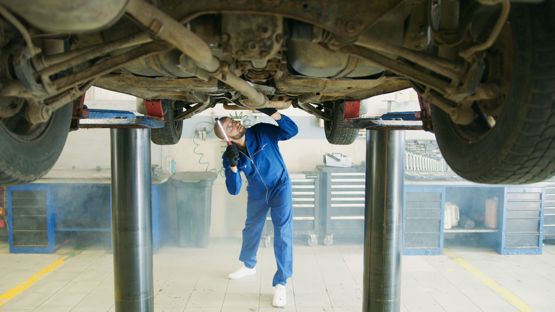
Current share of fleet work with franchised dealers
The latest figures confirm a new low for franchised dealer involvement in fleet SMR activity. At 41% of total work, the share reflects a clear shift away from the traditional dealer network that has historically handled the majority of fleet maintenance.
What the 41% figure tells us
While the exact drivers of the decline are varied, the statistic itself signals a broader realignment in how fleet owners source their vehicle upkeep. The franchise model, once the default choice for many large operators, now competes with a growing number of independent service providers.
Cost pressures driving operators toward independent workshops
Fleet managers face constant pressure to reduce operating costs. Labour rates, parts pricing and overheads at franchised dealerships often sit at the higher end of the market. Independent workshops, by contrast, typically offer more flexible pricing structures and can adapt more quickly to the specific cost targets set by operators.
In addition to price, independent garages frequently provide personalised service arrangements, such as dedicated bays for fleet vehicles or streamlined invoicing processes. These conveniences help fleet operators to control spend while maintaining the required level of vehicle reliability.
Potential implications for franchised dealer networks
A sustained dip to 41% could reshape the business models of franchised dealers. With a smaller proportion of fleet work, dealers may need to place greater emphasis on retail sales, warranty work or specialised services to sustain revenue streams.
Some franchised outlets are already exploring partnership models with fleet operators, offering bundled service contracts or loyalty incentives aimed at reclaiming a larger slice of the SMR market.
Strategic responses being considered
Possible strategies include enhancing the value‑added services provided at the dealership, improving turnaround times, and leveraging manufacturer‑backed parts warranties to differentiate from independent competitors.
What the future holds for fleet maintenance
The shift toward independent workshops is likely to continue as long as cost remains a decisive factor for fleet operators. However, franchised dealers retain advantages such as direct access to factory‑approved parts and technical training programmes, which can be compelling for fleets with strict compliance requirements.
Ultimately, the balance between franchised and independent service providers will depend on how each segment adapts to the evolving priorities of fleet owners – chiefly, the need to keep vehicles on the road at the lowest possible total cost of ownership.