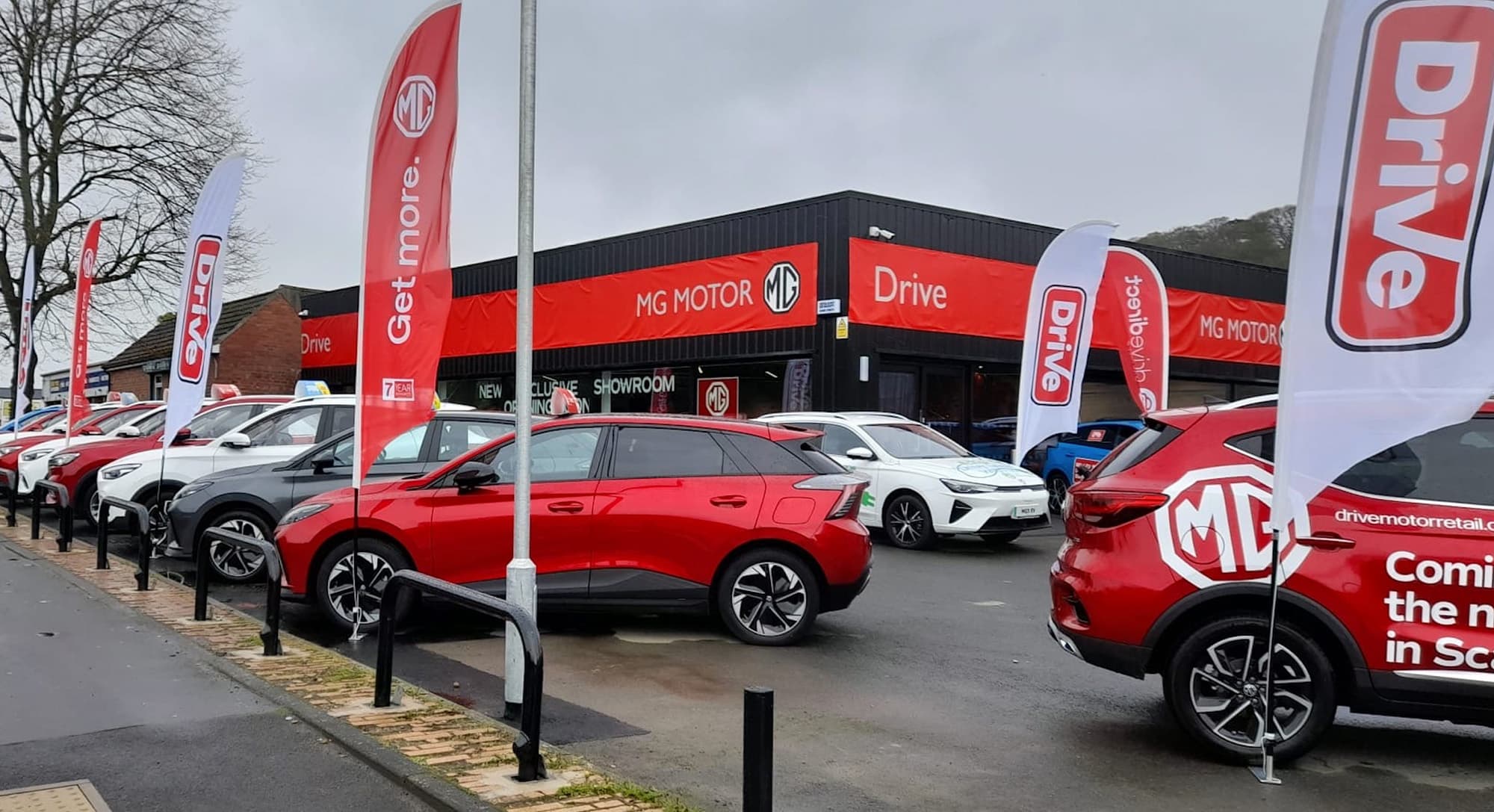
Why Did Drive Motor Retail’s Profit Fall in 2025 Despite a £314m Turnover?
Explore why Drive Motor Retail’s profit slipped in 2025 even as turnover hit £314.2m and new‑car sales rose 49%.
Drive Motor Retail reported a sharp decline in profit for 2025 despite a healthy increase in revenue.
Turnover growth and sales performance
The Leicester‑based dealer group posted a 7.3% rise in turnover, reaching £314.2 million compared with £292.9 million the year before. This growth was driven by a 49% jump in new‑car sales, which the company attributed to improved manufacturer supply and sustained customer demand.
Used‑car sales also climbed, up 6% year‑on‑year, while after‑sales turnover recorded a further 4% increase. The boost in sales helped gross profit rise 4.1% to £51.6 million.
Profit pressures and rising costs
Even with higher revenues, pre‑tax profit fell 10.2% to £4.39 million and profit after tax dropped almost 26% to £3.06 million. Management pointed to several cost pressures: higher finance charges, rising administrative expenses and a larger tax bill. Administrative costs rose to £45.9 million, causing operating profit to slip to £5.68 million from £5.90 million, while the tax liability more than doubled from £754,000 to £1.33 million.
Strategic acquisitions and franchise mix
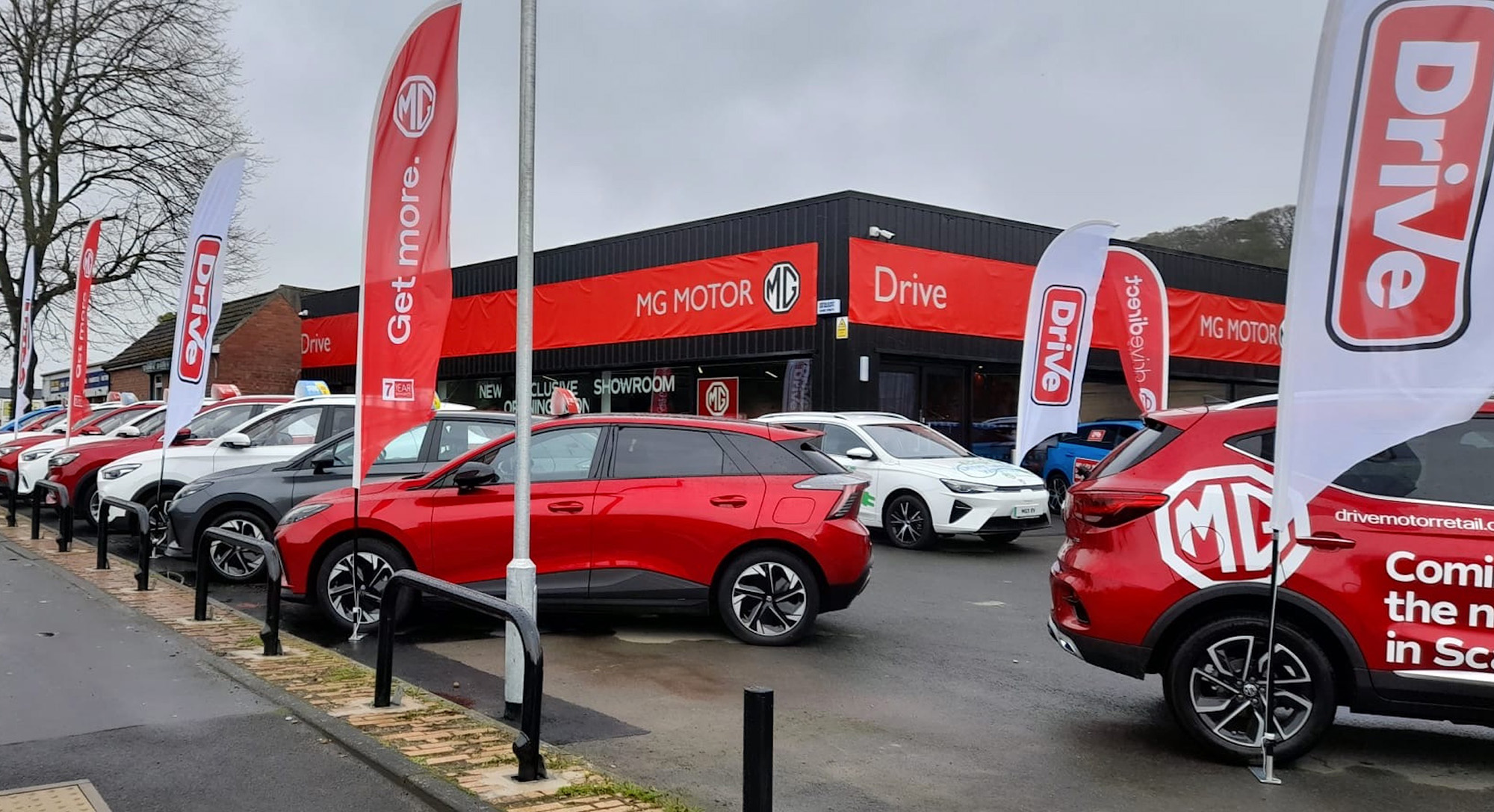
During the financial year Drive Motor Retail expanded its footprint by acquiring Marshall of Ipswich Limited, which added a Peugeot franchise in Hartlepool. The group also continued redevelopment work at its Darlington site. Its franchise portfolio now includes Stellantis, Hyundai and MG, with dealerships spread across the North East, South West, East Midlands, Yorkshire and the Humber, Hampshire and Suffolk.
Vehicle stock levels rose significantly, with inventories increasing from £60.7 million to £69.2 million, reflecting the company’s confidence in continued demand.
Director’s outlook amid economic uncertainty
Director Richard Manning said the year was marked by “economic uncertainty, high interest rates, shifting consumer confidence and the transition to electrification under the government’s Zero Emission Vehicle mandate.” He added that, despite these challenges, Drive Motor Retail “outperformed many peers through strong operational discipline, prudent financial management and a diversified franchise portfolio”.
What does this mean for dealers and consumers?
The figures suggest that while sales volumes are strong, the broader macro‑economic environment and cost structures are eroding profitability for many UK dealer groups. For consumers, the rise in new‑car availability may translate into more choice, but higher financing costs could affect affordability.
Understanding the balance between revenue growth and profit pressure is essential for anyone watching the UK automotive market, especially as the industry navigates the transition to electric vehicles and fluctuating consumer confidence.