Why Are UK EV Discounts Among Europe's Highest? New Report Reveals the Pressure on Dealers
HSBC study shows UK electric car discounts average 12.8%, the highest in major European markets. Discover which models are seeing the biggest price cuts and why.
The UK's Electric Vehicle Discount Battle
The UK's electric vehicle market is currently offering some of the most substantial discounts found across any major European country. This aggressive pricing strategy comes as car manufacturers intensify their efforts to meet challenging ZEV mandate targets set by the government.
A comprehensive new analysis conducted by HSBC bank has revealed that the average discount on a new electric car in the UK reached a significant 12.8% during the first month of 2026. This figure positions Britain at the forefront of European discounting, substantially higher than the 10.2% average recorded in Germany, Europe's largest automotive market.
Which Electric Cars Are Seeing the Biggest Reductions?
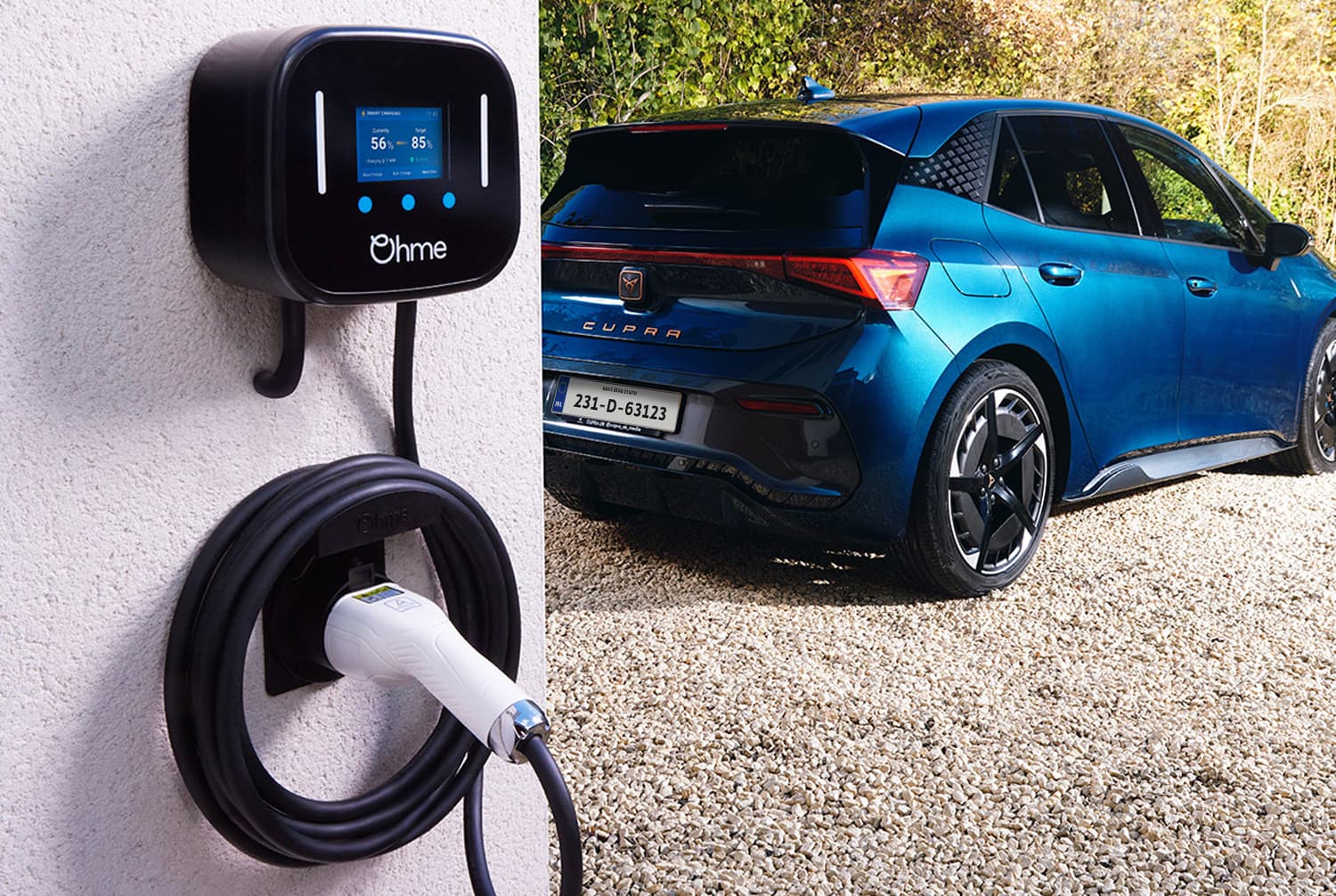
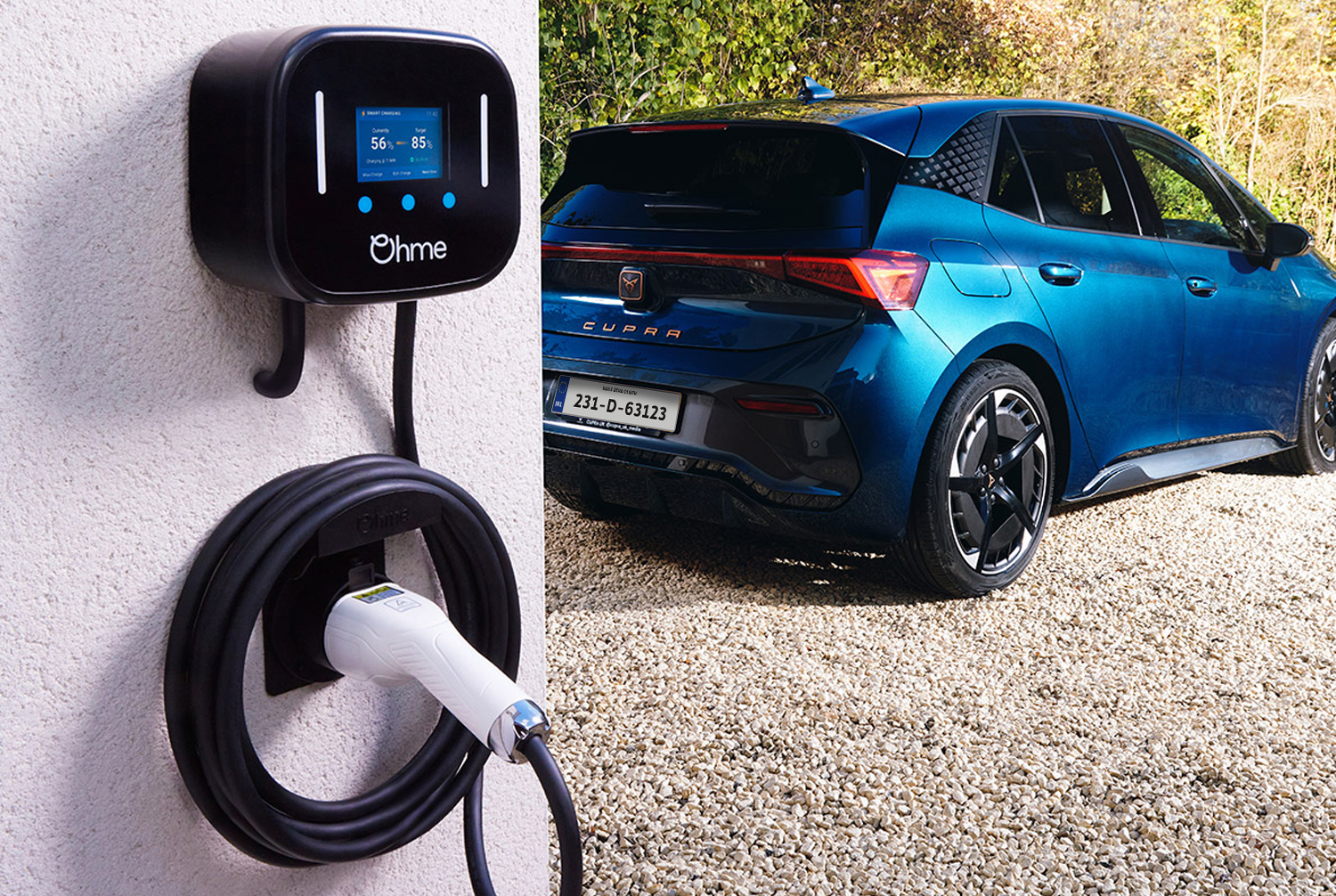
The HSBC research, which was reported in The Times, identified specific models that are receiving particularly dramatic price cuts. Leading the pack was the Cupra Born, which attracted an average discount of 26.5% off its list price. Following closely was the Dacia Spring, already recognised as Britain's most affordable electric vehicle, which saw prices reduced by an average of 23.5%.
Completing the top three most discounted electric vehicles was the Volkswagen ID.4, with average reductions of 21.8%. These figures highlight the considerable financial incentives being deployed to stimulate consumer interest in electric models.
The Ripple Effect on Used Car Values
The discounting strategy is having a noticeable impact on the broader market, particularly in the used car sector. HSBC's experts noted that used electric vehicle prices continued their downward trajectory in January, falling by 7.4% during the opening month of the year. This decline outpaced other powertrain types, with plug-in hybrids dropping by 4.5% and diesel models falling by 2.7%.
Interestingly, petrol models bucked this trend entirely, experiencing a price increase of 1.5% during the same period. This divergence suggests a shifting dynamic in consumer preference and valuation across different fuel types.
Are These Discounts Actually Benefiting Customers?
Despite the apparent savings on showroom prices, analysts have questioned whether these reductions genuinely benefit customers in the long term. The report highlights a crucial consideration: "Where the carmaker cuts list prices to make the vehicle attractive for customers, if the projected residual value of the vehicle goes down by the same amount, there is no benefit to the customer."
This insight points to a complex situation where immediate savings might be offset by faster depreciation, potentially neutralising the financial advantage for buyers when they come to sell or trade-in their vehicle later.
Industry Voices Express Concern
The discount environment comes amid ongoing industry debate about the practicality of current ZEV mandate targets. While a separate study by Startline Motor Finance found that most UK car dealers expect manufacturers to meet these targets, significant concerns have been raised about the sustainability of current approaches.
Stellantis's European boss recently claimed that firms are currently "burning cash" due to what he described as "no natural demand" for EVs. This sentiment is echoed by Vertu Motors boss Robert Forrester, who has been one of the most vocal industry critics of the government targets, characterising them as "utopian."
Forrester elaborated: "Demand is not there for the utopian targets that increase each year, adding more pressure on manufacturers and retailers. The new pay-per-mile tax in 2028 exacerbates the issues, reducing EV demand and necessitating even more incentives from the sector. These in turn reduce residual values of EVs and a vicious cycle commences."
He concluded with a clear recommendation: "This is why the UK must adjust EV sales targets and reduce fines now so that they reflect underlying demand."