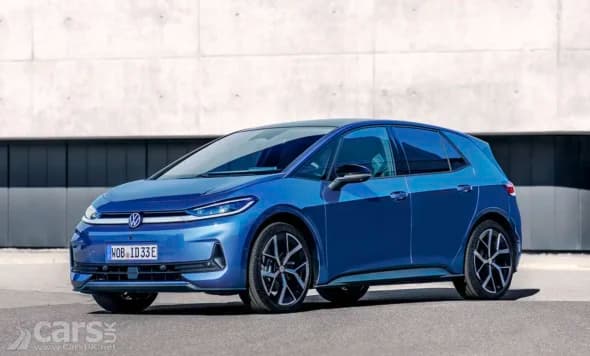
Volkswagen ID.3 Neo: Does This Update Finally Fix VW's Electric Hatchback?
Discover how Volkswagen's ID.3 Neo addresses previous issues with cosmetic updates and a completely redesigned interior for UK electric car buyers.
Volkswagen ID.3 Neo: The Comprehensive Update
Volkswagen has introduced the ID.3 Neo, marking a significant step in addressing the various concerns that emerged with the original ID.3 model. This updated version represents Volkswagen's commitment to refining their electric vehicle offerings after the initial 2020 release, which was part of the manufacturer's accelerated transition to electric mobility following the Dieselgate controversy.
What Changes Does the ID.3 Neo Bring?
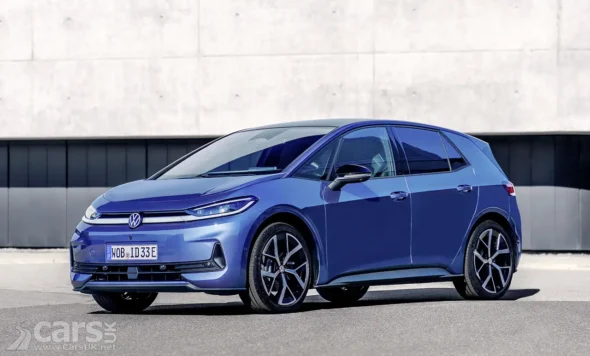
The ID.3 Neo incorporates subtle cosmetic enhancements alongside a completely redesigned interior, addressing many of the criticisms levelled at the original model. These updates demonstrate Volkswagen's responsiveness to customer feedback and their determination to compete effectively in the increasingly competitive UK electric vehicle market.
Volkswagen's Electric Vehicle Journey
The original ID.3 arrived in 2020 as Volkswagen's first purpose-built electric vehicle of the modern era, representing a crucial milestone in the manufacturer's strategy to reinvent itself following the Dieselgate emissions scandal. This rapid transition to electric mobility, while impressive in its ambition, resulted in some teething problems that the ID.3 Neo now seeks to resolve.
Why the ID.3 Neo Matters for UK Drivers
For British motorists considering electric vehicle ownership, the improved ID.3 Neo presents an intriguing option in the family hatchback segment. With its refreshed interior and exterior styling, Volkswagen aims to position the ID.3 as a more compelling choice against established rivals in the UK market, potentially making electric driving more accessible and appealing to a broader audience.