UK Vehicle Fleet Hits Record 42.5 Million: What This Means for Car Buyers
UK's vehicle fleet reaches record 42.5m with electric vehicle adoption surging. Discover how changing trends affect car values and ownership costs.
UK Vehicle Numbers Reach Historic High
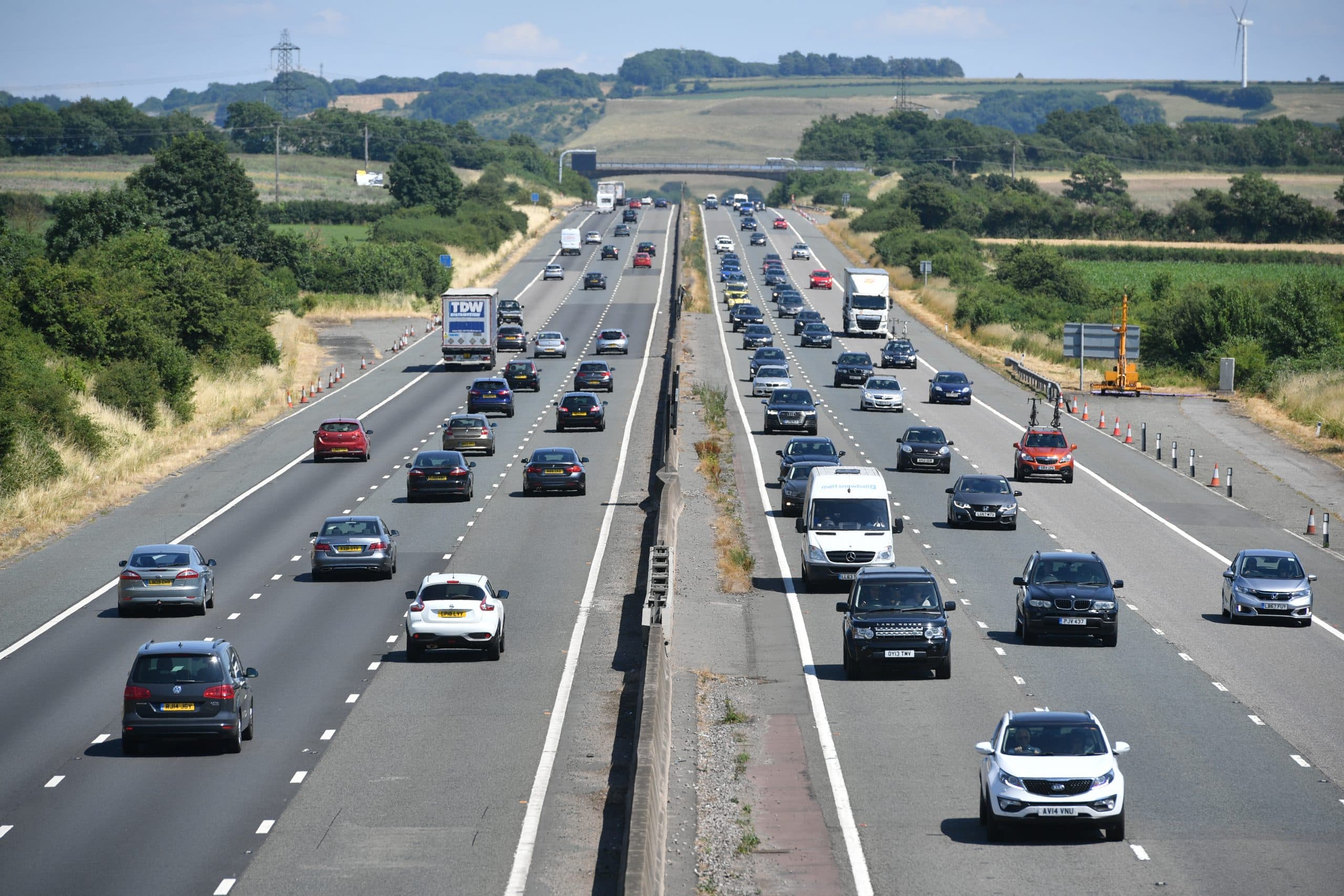
The number of vehicles on British roads has reached unprecedented levels, with official data confirming the UK's motorparc now stands at 42.5 million vehicles. This represents a significant milestone in the country's automotive landscape, reflecting both recovery from recent supply challenges and evolving consumer trends.
Breakdown of Vehicle Growth
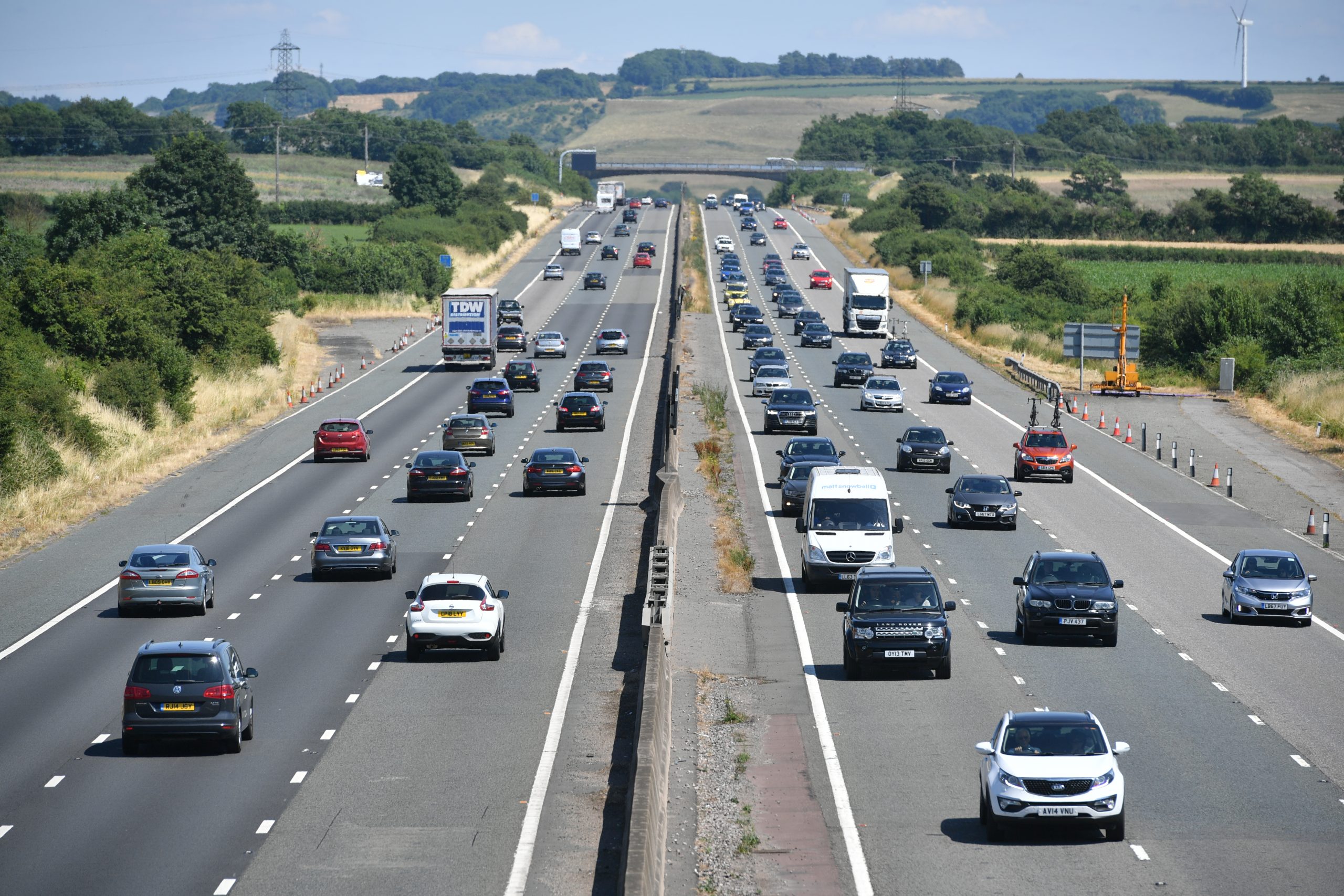
According to the latest figures from the Society of Motor Manufacturers and Traders (SMMT), the UK's total vehicle fleet grew by 1.4% to reach 42,549,649 vehicles in 2025. The most substantial growth occurred in the car sector, which saw an increase of over half-a-million units to reach 36,676,185 vehicles. This represents the largest volume increase since 2016, indicating a strong recovery from the supply shortages that plagued the industry during and after the pandemic.
Commercial Vehicle Trends
Commercial vehicles also showed positive growth, with van volumes increasing by 1.4% to 5,175,598 units and truck numbers rising by 0.2% to 626,566 units. The bus and coach sector experienced its first growth since 2021, increasing by 0.2% to 71,300 units, though this remains significantly below its 2007 peak of 103,817 units.
Electric Vehicle Adoption Accelerates
The data reveals the rapidly growing impact of electric vehicles on UK roads, with one in nine vehicles (4.5%) now being electrified. Zero-emission vehicles account for approximately one in 22 vehicles (10.9%), demonstrating the accelerating transition towards cleaner transportation.

Sector-Specific EV Growth
Zero-emission trucks recorded the strongest growth, doubling to 1,056 units. Battery electric vans saw a remarkable 34.6% increase, exceeding 100,000 units for the first time with 113,256 now operational across the country, representing 2.2% of all vans in service. The bus sector also showed impressive progress, with zero-emission bus volumes rising by 65.2% to account for 8.1% of Britain's bus fleet.
Most significantly, electric car adoption continues to surge, with a record 1,797,809 electric cars now in use - a 34.7% increase compared to 2024 figures.
Aging Vehicle Fleet Presents Challenges
Despite the growth in newer vehicles, experts note that the UK's vehicle fleet is simultaneously aging. A record 45.7% of all cars on the road have now been in service for more than a decade, up from 43.4% in 2024. This has pushed the average vehicle age to 9.7 years, up from 9.5 years in the previous year. Industry insiders attribute this trend to ongoing cost-of-living pressures that are encouraging motorists to keep their vehicles for longer periods.
Industry Perspective on the Transition
Mike Hawes, SMMT Chief Executive, commented on the findings: "Britain's vehicle parc is growing with record numbers of newer zero emission vehicles on our roads driving environmental, economic and safety benefits. This is grounds for celebration but the pace has to quicken if ambition is to match demand with the average age of vehicles on our roads actually rising."
He added: "A holistic review of the UK's ZEV transition is essential, therefore, to ensure that every business and consumer can make the switch so that we can deliver net zero by 2050."
These developments have significant implications for car buyers and dealers alike, affecting everything from vehicle valuations and availability to maintenance costs and environmental impact. As the UK continues its transition towards electrification, understanding these market trends becomes increasingly important for making informed vehicle purchasing decisions.