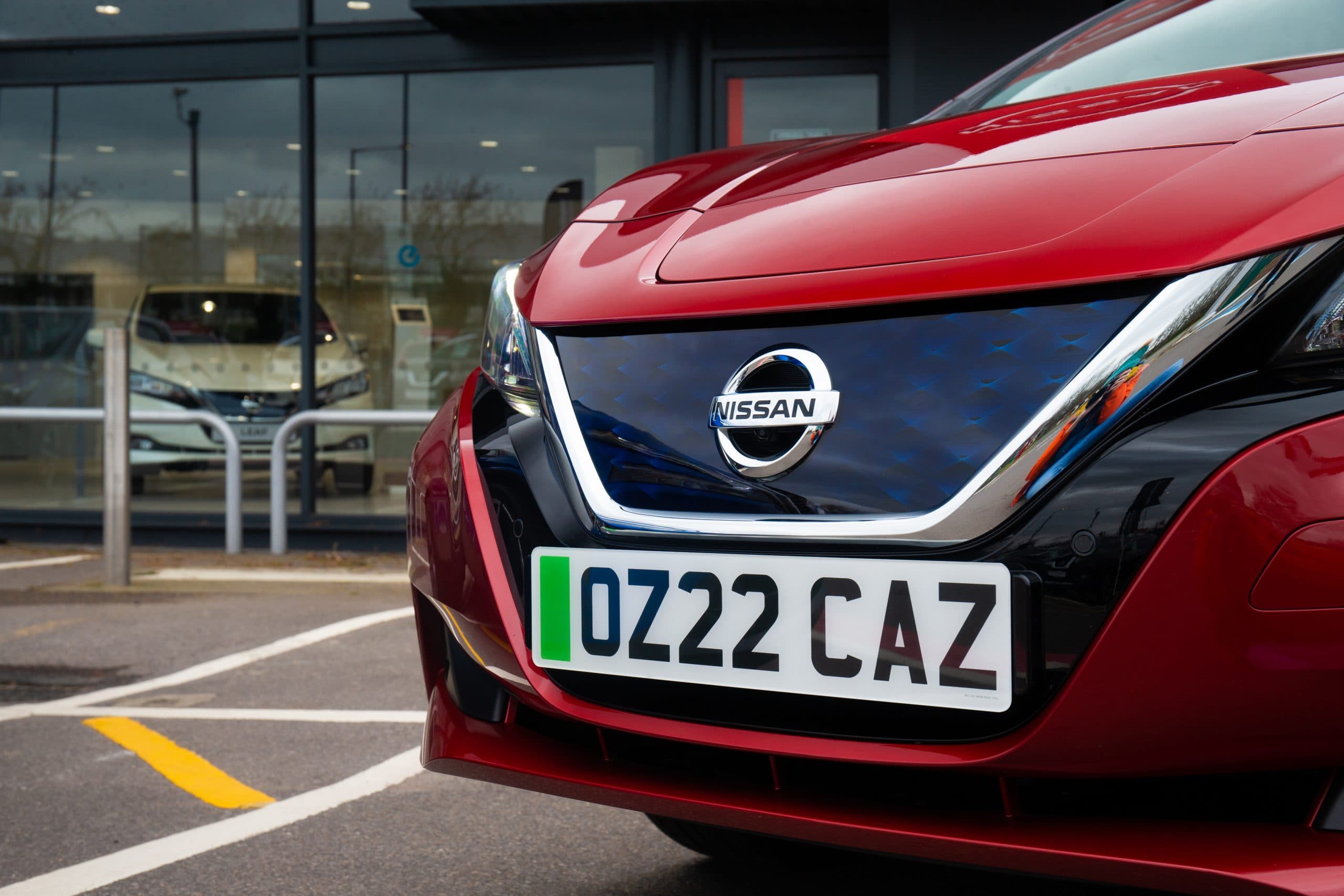
UK Drivers Shift Gears: Over Half Now Considering Hybrid or Electric Cars
New research reveals a tipping point: 55% of UK car buyers now expect their next purchase to be a hybrid or EV, marking a major shift away from petrol and diesel.
UK Buyers Reach Tipping Point Towards Alternative Fuels
New research indicates a significant shift in the UK's car buying intentions, with a majority of motorists now looking towards hybrids and electric vehicles (EVs) for their next purchase. According to the latest findings from the Motors & Cazoo Consumer Insight Panel, 55% of the 2,001 people surveyed expect to buy an alternative fuel vehicle, compared to 45% who are planning to stick with a traditional internal combustion engine (ICE) car.
This marks a pivotal moment in the market, suggesting that consumer sentiment is firmly swinging towards electrification.
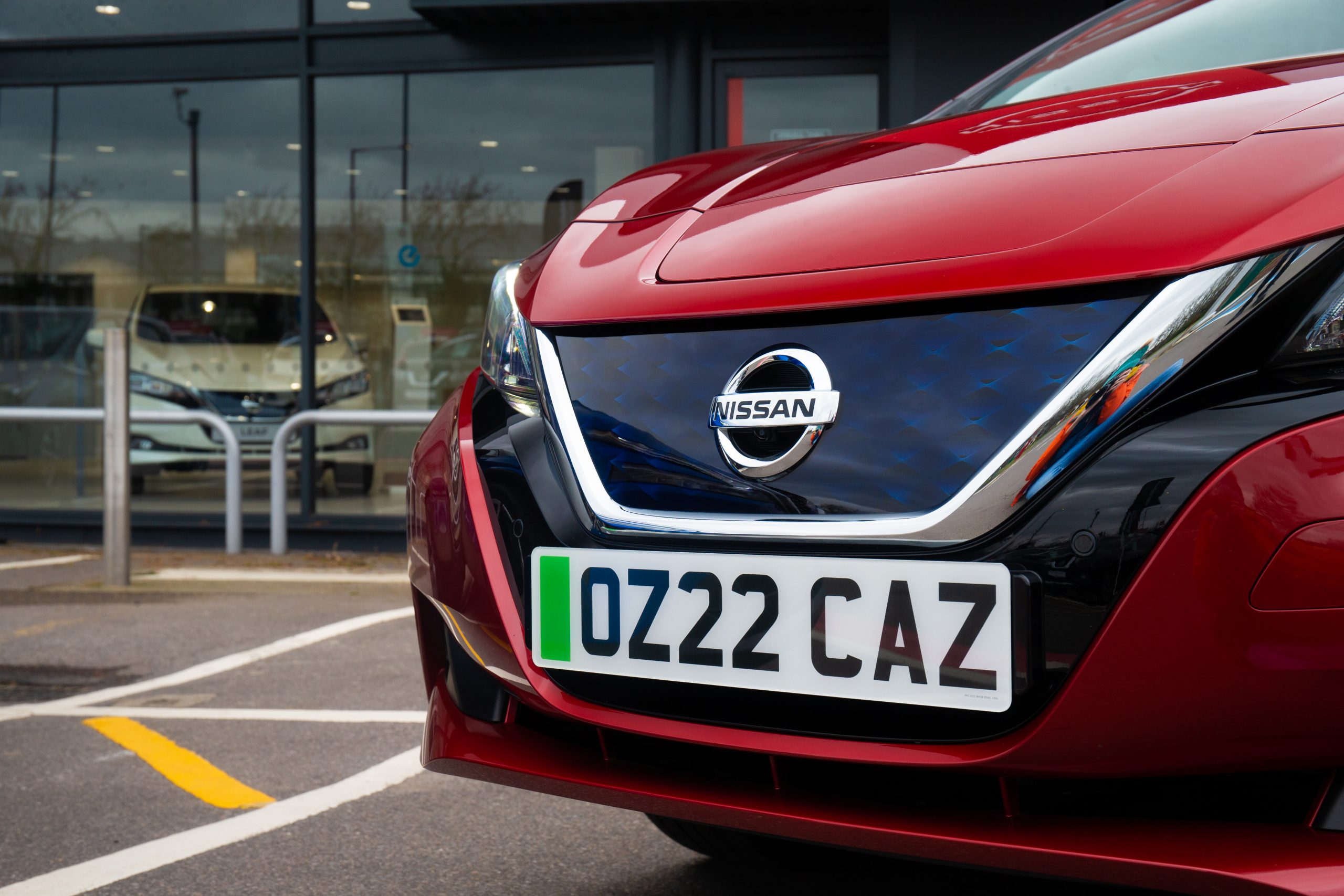
The Rise of Electric and Hybrid Consideration
The detailed data reveals that EV consideration has hit a new high, with nearly a quarter (24%) of respondents expecting their next car to be fully electric. While petrol remains the single most popular future fuel choice at 36%, hybrid models are close behind at 30.5%. Diesel, meanwhile, has fallen to its lowest level of consideration at just 9.5%, highlighting its rapidly declining appeal among UK buyers.
This trend raises a key question for many: What is the best type of car to buy in 2024? For a growing number, the answer appears to be a vehicle with an electric motor.
Confidence Gap: New vs Used Electric Vehicles
A notable finding from the research is the difference in buyer confidence between new and used EVs. When it comes to making the switch, buyers feel much more assured about purchasing a new electric car rather than a second-hand one.
Nearly half (49%) of all buyers surveyed said they are confident about buying a new EV. This figure rises dramatically to 80% among those who are seriously considering an electric vehicle. In contrast, only around a third (32%) feel confident about purchasing an EV that is at least two years old. Confidence levels are highest among men (60%) and buyers aged 25-44 (70.5%).
Dealers Play a Crucial Role in the EV Transition
Lucy Tugby, Marketing Director of Motors & Cazoo, commented on the findings, stating: ‘Our Consumer Insight Panel has provided analysis on what makes car buyers tick for eight years and across 16 waves. These latest findings are particularly significant as they identify a tipping point among buyers away from ICE to alternative fuel cars.’
She highlighted the critical role of dealer support, adding: ‘When it comes to EVs, confidence will continue to determine whether buyers are ready to transition. Our research shows this is strongest among those buying new, with a high degree of apprehension expressed by used car buyers. This highlights the important role played by dealers in listening to customers and addressing their concerns, especially as we start to see an increase in newer generation EVs entering the used market.’
Government Grants Have Limited Influence on Decisions
The research also shed light on the effectiveness of financial incentives, such as the government’s Electric Car Grant and similar schemes offered by car manufacturers. Surprisingly, these offers appear to have a limited impact on purchasing decisions.
Only 35% of all buyers said that these incentives would make them consider an EV. Furthermore, over half (54%) of those already considering an EV stated they would choose the car best suited to their needs, rather than one that simply qualifies for a grant or discount.
Tugby concluded: ‘The research shows that the Electric Car Grant and similar carmaker programmes are having a limited impact on purchasing decisions, with practical considerations outweighing incentives for many buyers.’ This suggests that for the majority, factors like range, charging infrastructure, and suitability for their lifestyle are more important than upfront cost savings when choosing an electric vehicle.